Plastics Industry Insiders Reveal the Truth About Recycling
March 31, 2020
Share
In partnership with:

It was the late 1980s, and the plastics industry was under fire.
Facing heightened public concern about ever-increasing amounts of garbage, the image of plastics was falling dramatically. State and local officials across the country were considering banning some kinds of plastics in an effort to reduce waste and pollution.
But the industry had a plan; a way to fend off plastic bans and keep its sales growing.
It would publicly promote recycling as the solution to the waste crisis — despite internal industry doubts, from almost the beginning, that widespread plastic recycling could ever be economically viable.
The strategy — and doubts — are revealed in Plastic Wars, an upcoming investigative documentary from FRONTLINE and NPR.
In the documentary, three top executives who represented the plastics industry in that pivotal era speak publicly for the first time, shedding new light on the industry’s efforts to overcome growing concern about plastic waste by pushing recycling.
“There was never an enthusiastic belief that recycling was ultimately going to work in a significant way,” Lewis Freeman, former VP of government affairs for what was then the industry’s chief lobbying group, the Society of the Plastics Industry, tells FRONTLINE and NPR in Plastic Wars.
The industry promoted recycling heavily anyway, counting on a simple strategy: “If the public thinks the recycling is working, then they’re not going to be as concerned about the environment,” says Larry Thomas, who formerly headed the SPI.
In the below excerpt from Plastic Wars, Ronald Liesemer, a former DuPont manager, describes being tapped to execute the industry’s recycling push — and how by demonstrating a commitment to recycling, the industry was able to successfully pre-empt nascent plastic bans:
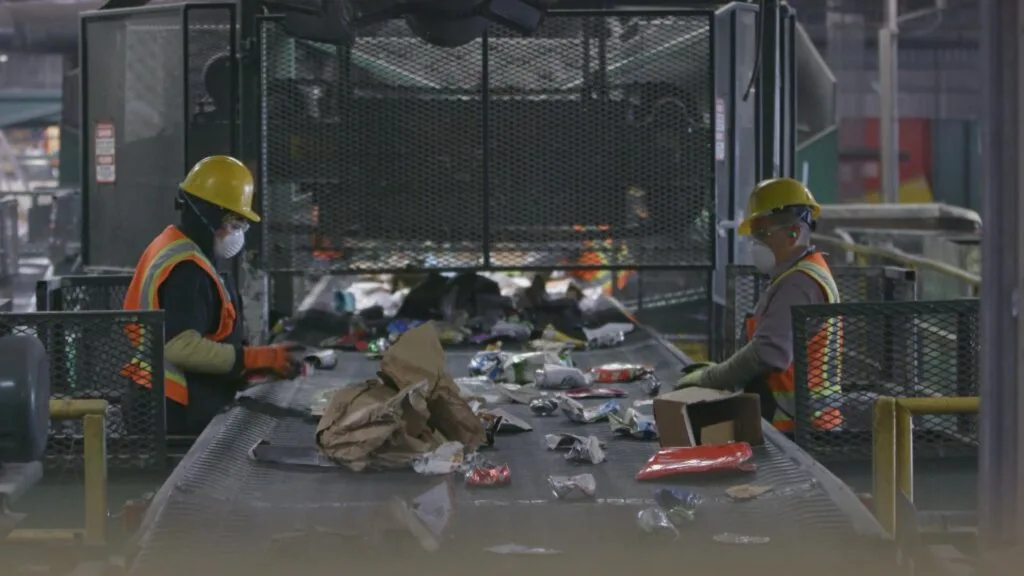
But as Thomas, the former SPI head, tells FRONTLINE and NPR, the major plastic makers knew that there wasn’t enough infrastructure for recycling to actually amount to much.
Internal documents uncovered by the reporting team back that up. As this excerpt shows, one such SPI document warned that there is “serious doubt” widespread plastic recycling “can ever be made viable on an economic basis”:
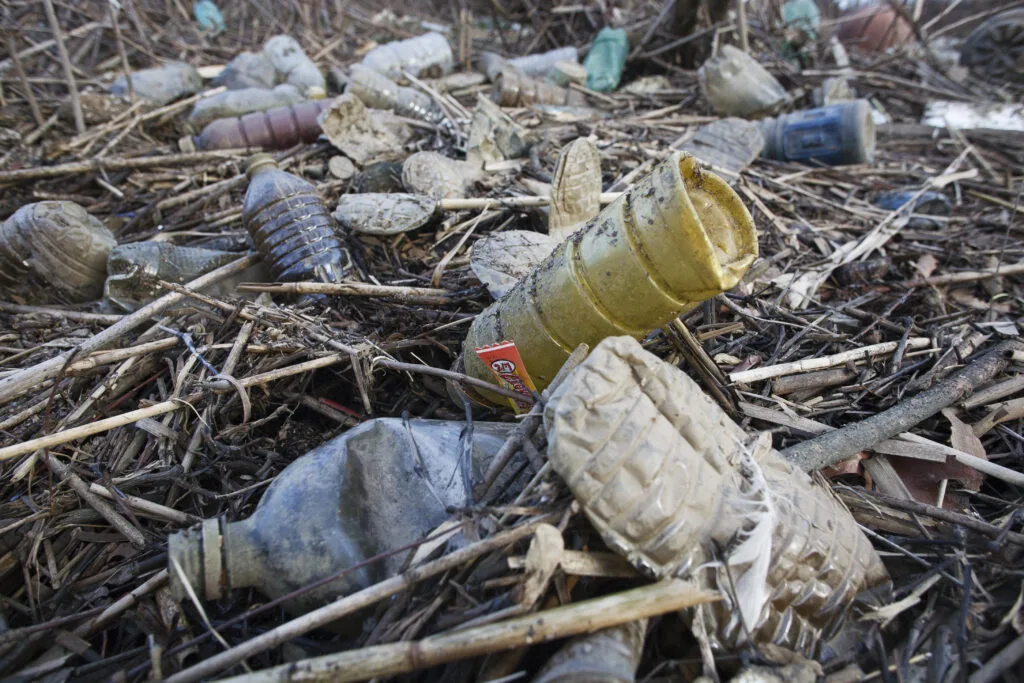
Sure enough, it hasn’t been. In all the years since the plastics industry mounted this recycling push, it’s estimated that no more than 10 percent of plastic produced has ever actually been recycled.
To learn why, watch Plastic Wars. From FRONTLINE producer Rick Young, NPR correspondent Laura Sullivan, and co-producers Emma Schwartz and Fritz Kramer, the documentary is a powerful look at how the plastics industry has used recycling to help sell more plastic — and why the plastic waste problem has only grown.
Plastic Wars premieres Tues., Mar. 31 at 10 p.m. E.D.T./9 p.m. C.D.T. Tune in or stream on PBS (check local listings), at pbs.org/frontline or on the PBS Video App. NPR will air a story from the investigation that same day on All Things Considered (see stations and local broadcast times at NPR.org/stations), with additional radio pieces airing in the coming weeks.

Senior Digital Writer, FRONTLINE
Support provided by:
Learn More
Related Documentaries
Latest Documentaries


Related Stories
Related Stories
Explore
Policies
Teacher Center

Jon and Jo Ann Hagler on behalf of the Jon L. Hagler Foundation
Corey David Sauer
Koo and Patricia Yuen
FRONTLINE is a registered trademark of WGBH Educational Foundation. Web Site Copyright ©1995-2025 WGBH Educational Foundation. PBS is a 501(c)(3) not-for-profit organization.
Funding for FRONTLINE is provided through the support of PBS viewers and by the Corporation for Public Broadcasting, with major support from Ford Foundation, and Fialkow Family Foundation. Additional funding is provided the Abrams Foundation, John D. and Catherine T. MacArthur Foundation, Park Foundation, Heising-Simons Foundation, and the FRONTLINE Trust, with major support from Jon and Jo Ann Hagler on behalf of the Jon L. Hagler Foundation, and Corey David Sauer, and additional support from Koo and Patricia Yuen. FRONTLINE is a registered trademark of WGBH Educational Foundation. Web Site Copyright ©1995-2026 WGBH Educational Foundation. PBS is a 501(c)(3) not-for-profit organization.