WATCH: How the CIA Helped Make “Zero Dark Thirty”
May 15, 2015
Share
When Zero Dark Thirty premiered in 2012, the Hollywood film about the hunt for Osama bin Laden became a blockbuster hit.
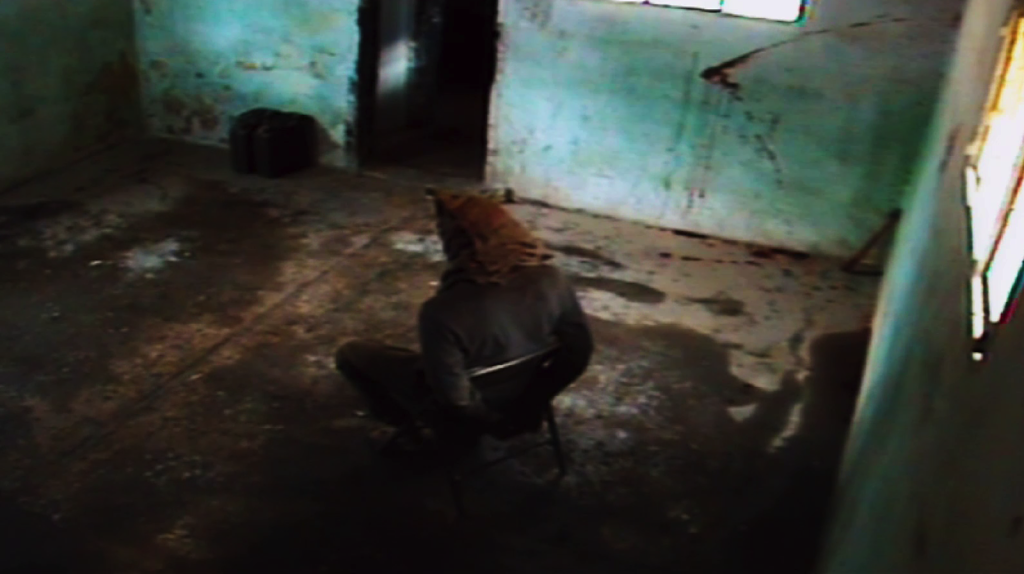
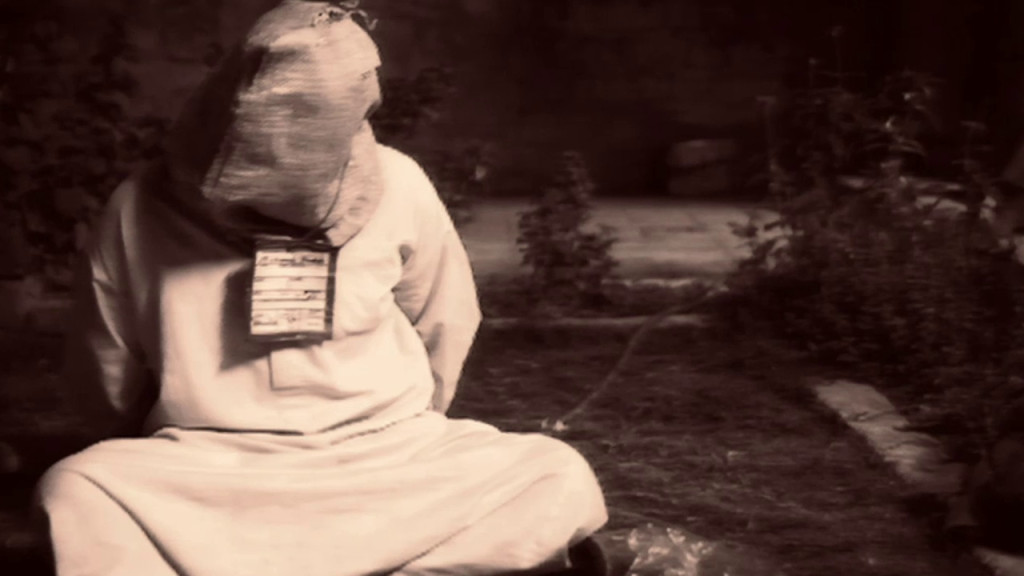
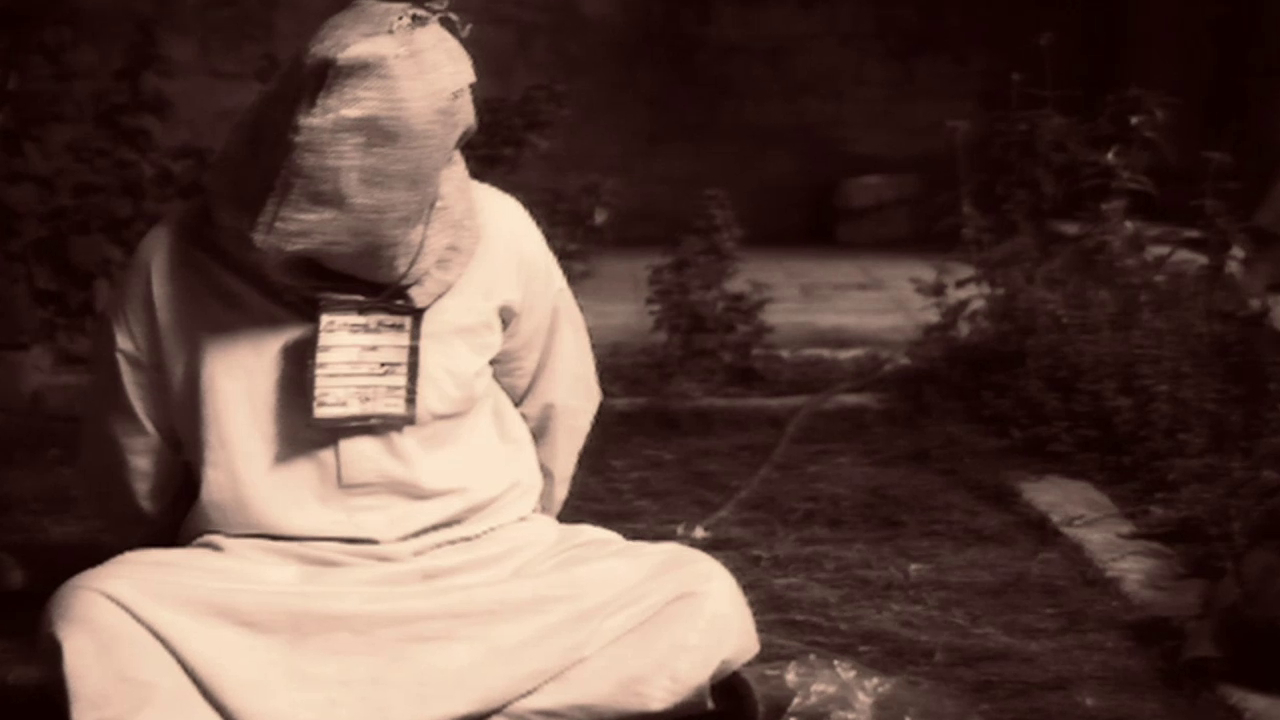
Behind the scenes, the CIA secretly worked with the filmmakers, and the movie portrayed the agency’s controversial “enhanced interrogation techniques” — widely described as torture — as a key to uncovering information that led to the finding and killing of bin Laden.
But in Secrets, Politics and Torture, premiering this Tuesday, May 19 on PBS, FRONTLINE reveals the many challenges to that narrative, and the inside story of how it came to be.
The documentary unspools the dueling versions of history laid out by the CIA, which maintains that its now officially-shuttered program was effective in combating terrorism, and the massive Senate torture report released in December 2014, which found that the program was brutal, mismanaged and — most importantly — didn’t work.
Watch the dramatic opening sequence of Secrets, Politics and Torture:
And that’s just the beginning.
Drawing on recently declassified documents and interviews with prominent political leaders and CIA insiders, Tuesday’s film goes on to examine how the secret interrogation program began, what it accomplished and the bitter fight in Washington over the public outing of its existence.
“We’ve found that, faced with 9/11 and the fear of a second attack, everybody from the head of the CIA, to the Justice Department, to the president asked ‘Can we do it?’ — meaning, can we do it legally — not, ‘Should we do it?’ says veteran FRONTLINE filmmaker Michael Kirk.
Secrets, Politics and Torture is the latest in Kirk’s acclaimed line of documentaries examining counterterrorism programs and government secrecy in the wake of 9/11: He traveled to the infamous Abu Ghraib prison in Iraq to make The Torture Question in 2005, and he just won a Peabody Award for United States of Secrets, FRONTLINE’s 2014 examination of the National Security Agency’s mass surveillance program.
“As the debate over how far the U.S. should be willing to go in the fight against terrorism continues, we felt it was important to tell the story of this CIA program, comprehensively, in documentary form,” Kirk says. “What we’ve found raises some very tough questions.”
Watch Secrets, Politics and Torture Tuesday, May 19 at 10 p.m. EST on PBS (check local listings) and online at pbs.org/frontline.
Senior Digital Writer, FRONTLINE
Support provided by:
Learn More
Related Documentaries
Latest Documentaries


Related Stories
Secrets, Politics and Torture
Related Stories
Secrets, Politics and Torture
Explore
Policies
Teacher Center

Jon and Jo Ann Hagler on behalf of the Jon L. Hagler Foundation
Corey David Sauer
Koo and Patricia Yuen
FRONTLINE is a registered trademark of WGBH Educational Foundation. Web Site Copyright ©1995-2025 WGBH Educational Foundation. PBS is a 501(c)(3) not-for-profit organization.
Funding for FRONTLINE is provided through the support of PBS viewers and by the Corporation for Public Broadcasting, with major support from Ford Foundation, and Fialkow Family Foundation. Additional funding is provided the Abrams Foundation, John D. and Catherine T. MacArthur Foundation, Park Foundation, Heising-Simons Foundation, and the FRONTLINE Trust, with major support from Jon and Jo Ann Hagler on behalf of the Jon L. Hagler Foundation, and Corey David Sauer, and additional support from Koo and Patricia Yuen. FRONTLINE is a registered trademark of WGBH Educational Foundation. Web Site Copyright ©1995-2026 WGBH Educational Foundation. PBS is a 501(c)(3) not-for-profit organization.