
Special
Dinos, Tortoises, Rats and... Garlic: Massachusetts| Sophie’s ELECTRIC Road Trip Part 5
Before heading back across the USA in an electric car, science-comedian Sophie takes a tour of her home turf: finding animals at the Museum of Science, Boston; meeting future engineers at Northeastern University; and getting as stinky as possible at a Garlic and Arts Festival.
Sophie’s Great American Electric Road Trip
![The Grand [Canyon] Finale | Sophie's ELECTRIC Road Trip Part 8](https://www.pbs.org/wnet/nature/files/2026/08/bXtXc12-asset-mezzanine-16x9-fDqsQHK-512x288.jpg)
The Grand [Canyon] Finale | Sophie's ELECTRIC Road Trip Part 8
Sophie finishes her coast-to-coast-to-coast trip, completing her biggest science experiment yet.
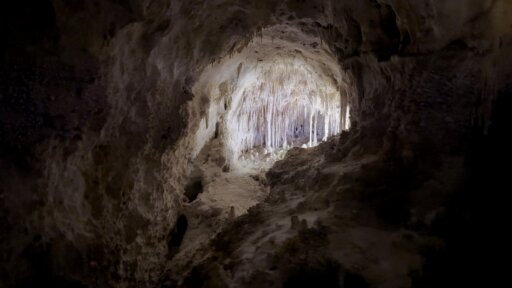
Otherworldly Wonders | Sophie’s ELECTRIC Road Trip Part 7
Arkansas to Arizona is full of extremes, literally!
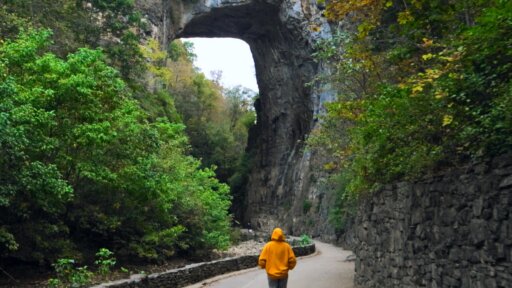
Liquid Metal, Ancient Mountains | Sophie’s ELECTRIC Road Trip Part 6
In her drive from New York to Tennessee, Sophie spots ancient mountains in Shenandoah.
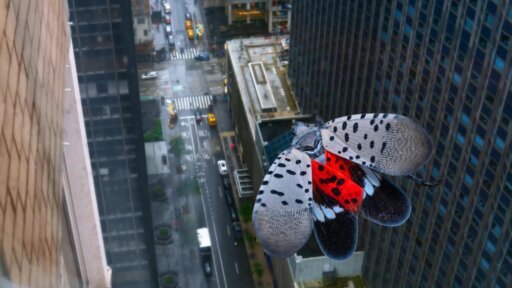
Fast and Curious: Midwest Bikes and NYC Bugs | Sophie's ELECTRIC Road Trip Part 4
Sophie investigates electric racing motorcycles and stomps invasive bugs as she makes it halfway!
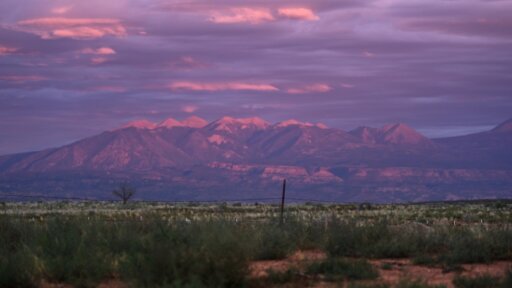
The Detour is Worth It | Sophie’s ELECTRIC Road Trip Part 3
Sophie and team face the challenges of 12,000-ft elevation and a bullet run through middle America.
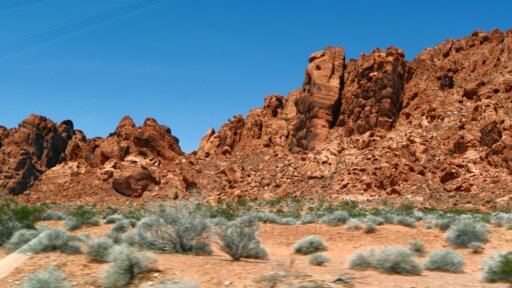
Horsepower vs Horse Power | Sophie’s ELECTRIC Road Trip Part 2
From Moab to Arches, Sophie examines the (literal) science of horsepower.
Lake Mead Mysteries | Sophie's ELECTRIC Road Trip Part 1
Sophie Shrand and crew pack the car, charge the batteries, focus the cameras, and hit the road.
TRANSCRIPT
- When she does eventually pee, it's kind of like a paste.
- A pee paste?!
Hi, I'm Sophie.
I drove an electric car on a coast-to-coast, round trip journey across the USA.
I set out to answer two questions.
Can it be done?
And can it be fun?
What I found was so much more.
It's "Sophie's Great American Electric Road Trip."
(gentle music) - You didn't bring me old melon, did you?
- Kind of.
So these are two different- - [Carol] Oh my gosh.
- [Sophie] Species of melon that we tried in Utah, and it was the best melon I've ever had in my life.
- [Carol] Really?
- An Israeli and Crenshaw.
- Uh-huh.
- Okay, yes.
I'm excited.
- They'll probably grow better in California than Massachusetts, you know?
- Well, I'm curious because this was near Moab.
It was like this really dry area of Utah.
- [Carol] Were they growing them there?
- Yeah.
This is going to be pretty fun.
- This is very, very nice at the community garden too, where there's plenty of room.
- Hi again, everybody.
We've taken a couple days in Sophie's hometown.
- Today, I get to go back to where it all began.
- Where?
- Boston.
Museum of Science Boston.
Before I worked here, it was coming here on field trips and as a family and with friends most of my life.
- I definitely came here a lot as a kid.
- [Sophie] Time for a quick science staycation.
Wherever home is, there is science to be found.
This was my home.
This is where I got to find science as a kid, and as an adult in my first job as a science educator.
So I had to make a stop back there and film it, of course.
- [Brendan] Do we have to do it ourselves?
- No.
♪ Because the crew is back ♪ - [Brendan] Megan and Tom are here.
- Yes, we get to be reunited.
My friends at the Museum of Science are always up for an experiment.
So to celebrate my homecoming, they invited me to drive into the museum.
Like, into the museum.
Let's see how this turn goes.
(car beeping) Okay, let us do a little three-pointer here.
(car beeping) What, what, what, what, what, what?
(car beeping) Holy toots.
Yikes.
(Sophie laughs) Yeah!
(upbeat music) (car door slams) Hello, old friends.
It's good to see you all.
I really missed you.
Hi, Cliff.
Memories, right?
Okay.
When we hear fossil, we tend to think big dinosaurs, but fossils are the preserved remains of any trace of life from 10,000 or more years ago.
We have found fossils dating back more than three billion years.
What is a fossil fuel?
It's not actually dinosaur bones that made fossil fuels, but the teeny tiny fossils of dead plants, plankton, and bacteria.
Millions of years deep in the earth, under intense pressure and heat, made the molecules of their bodies break down into coal, oil, or natural gas.
We mine these fossil fuels and burn them, releasing the stored energy from those ancient little bodies to power our cars, machinery, and daily lives.
We use fossil fuels so much that they're kind of everywhere, from asphalt to plastics to paint.
So no, dinosaurs aren't fossil fuels.
The fossils that fuel us are tinier, plantier, and even more ancient.
So I want to clear the air, and I hope you have a great rest of your day.
RIP, I'll see you around.
Check out this parking spot, right?
It's good, isn't it?
You know.
Yeah, I know you know.
I'm baaaaaaack!
- No running!
- It feels so good to be back at the Museum of Science in Boston.
This is where I got my start as a science educator.
You want to see it?
This museum has tons of exhibits exploring the science of energy and all the ways we power our world.
Ooh, here's one of my favorites.
The theater of electricity!
There are so many really cool things in this theater, but there's one demonstration in particular that I want to explore.
This is Karen.
Karen was my mentor right here teaching me how to do this show.
If you're using an electric car and we're getting power that's not through fossil fuels, how do we get from the power plant all the way to the electric car?
- This can help show us, but we have to understand two concepts that are connected.
- The electric force.
- And the?
- And the... - Magnetic force.
- That's right.
Nailed it.
- You said that you checked out Lake Mead and the hydro dam.
Do you know how that is producing the electricity that goes into the power grid?
- Converting the kinetic energy of the water moving to the electrical energy.
- Yeah.
And the way it happens, we can show on a small scale here in our theater of electricity by using our bicycle.
When you pedal the bike, the wheel is going to spin.
It's going to move a magnet through a coil of wire.
Moving magnet will push electric charge, making that current, that then gets into the power grid.
In this case, it's just going around a wire, and you are going to try to light up this very small 60-watt light bulb.
Did you eat your Wheaties?
- I ate... I don't remember, but I had something.
This is a great example of energy transformation.
The food that I ate, giving me that chemical energy to move my body, to create that kinetic energy that then goes into the magnet that moves through the wire, becomes electrical energy.
- Yeah.
- Ready?
Yeah.
(dramatic music) - All right.
Question for you.
- Yeah.
- Easy or difficult?
- Well, it started off easy, but to get it brighter, it was definitely a lot more effort.
- Do you think it would be easier or harder to light up more things?
- Way harder.
- Way harder?
- Way harder.
- Should we find out?
- Yeah.
- All right.
60-watt light bulb.
500 watt light bulb.
(both laughing) - Okay.
Okay.
- You can do it!
- Okay, okay.
I can do it.
- I believe in you.
- I believe in me too.
- You're moving that magnet.
You are creating light, heat, and if I listen carefully, did you know that you were also producing sound energy?
Just another bit of energy conversion.
In the theater of electricity, we are using Sophie power.
But that's not how power plants work.
We do not have a basement full of volunteers of human pedaling bikes.
Yeah.
But power plants are working in a similar fashion.
They're using a variety of ways to move giant magnets through giant coils of wire to push all of those charges through our electric grid into our buildings, into our outlets to charge our electric cars.
- And the question is, what's the difference between our fossil fuel expendable resource power plants and our renewable energy power plants?
Power plants can use fossil fuels, nuclear fuels, or renewable energy to generate electricity.
But at some point, there won't be any fossil fuels left for us to mine.
Aside from other problems like the greenhouse gases they produce, fossil fuels are simply not renewable.
Renewable energy sources just keep on keeping on and don't need millions of years to produce.
They also don't release greenhouse gases, making them a more sustainable way to power our lives here on earth now.
- Renewable energy rather than exhaustible energy.
- That's right.
- How exhausted are you?
- I'm pretty exhausted.
So I'm glad that I'm not responsible for powering the whole city.
(upbeat music) Wren.
- Hi, Sophie.
- You and I aren't the only animals here in the live animal center space right now.
- Certainly not.
- What's in here?
- [Wren] We have a little tank here of some of our poison dart frogs.
- When we talk about climate change and how it relates to animal species, non-human animals, we often think about the big ones, right?
We think about the polar bears and the whales.
We call them charismatic megafauna.
I'm really glad that you brought out these teeny, tiny poison dart frogs.
Might go unnoticed, equally important.
Are they actually poisonous?
- They get their toxins from what they eat in the wild.
Insects that have toxins that they then store when they eat.
Here at the museum, they get fruit flies, they get small crickets, so nothing toxic or poisonous.
People worry if I'm opening up to feed our poison dart frogs here at the museum, they're like, "Oh, you can't touch it," right?
Well, I can't, and not for my safety, but for the poison dart frog's safety because oils and things on human hands, since their skin is so delicate and sensitive, can affect them.
Amphibians are really strongly impacted by climate.
They're ectotherms, so they rely on the outside environment to help regulate their body temperature.
They need to stay nice and moist.
So if there's droughts or excess rainfall, big changes like that can affect them as well.
- These poison dart frogs are very cute.
I know that behind us is a group of animals that other people might not think are as cute.
I think millipedes are beautiful, but I can also understand why some people would think that they are creepy as all get out.
- These smaller friends that are a little bit less thought of play a really important role.
Millipedes feed on decaying organic material and in that way they help kind of recycle nutrients back into plants.
Now the interesting thing with climate change is that some scientists think for some millipede species, they may actually expand in number with the warming temperatures.
- And that in turn affects other organisms and others and others and others, and it really is a domino effect.
And I know we have a couple other new friends- - Perhaps.
- Waiting out there.
- Yes.
- Come on in, Rachael!
- All right.
- Oh, nice.
And which friends did you bring with you today?
- I have brought a desert tortoise.
- I know this tortoise!
- Oh, this is Sonora.
- It's been a while.
Sonora is how old now?
- She's 27.
- Wow!
- Sonora lives in the Sonoran Desert.
Kind of makes sense based on her name.
And that's an environment that's experiencing a lot of change in the past few years.
Deserts in general are changing a lot.
And as a result of that, Sonora's having some trouble finding a house to live in.
It can be kind of hard for her to burrow in the sand when it's got a bunch of new plants in it that aren't native to the area.
- I think a lot of people might honestly think, "But doesn't she live in her house all the time?"
- [Rachael] Her shell definitely keeps her safe and it is a part of her body.
Her shell is attached to her spine, so a big solution is just having some conserved areas for them to live in.
Living in the desert, it can be kind of hard to find water.
And that's been getting even harder with all this agriculture happening in the desert areas.
But this tortoise, they have a pretty interesting adaptation.
She can hold her pee for a year.
(Sophie gasps) - That truly is... I can't imagine doing that for like an hour.
Is it maintaining and recycling that water?
- It recycles it, and then when she does eventually pee, it's kind of like a paste.
- A pee paste?!
(Rachael chuckling) - I do have another friend down here.
- And this is, ah.
- This is a rat.
- Yes!
- If you're a Boston native, you'll recognize Ms.
Porter's name.
- Ms.
Porter the rat is more efficient probably than the Porter Redline.
- I would probably say so.
Rats are pretty efficient.
Rats are one of the most successful invasive species in the world.
They have a lot of adaptations that help them be so successful.
You know, a rat can actually fit any part of their body through anything that their skull can fit through.
They can hold their breath for up to three minutes, tread water for three days.
It's pretty hard if you're a rat to not find success.
- [Sophie] May we all be the rat we aim to be in the world.
- And as climates are warming up, temperatures are increasing.
They're breeding just as often in the winter as they are in the spring and fall.
And so there's more rats, more disease.
- [Sophie] People do think about rats as carrying disease.
Is that a misconception or is that pretty true?
- They definitely do carry diseases, but it's not necessarily the rat's fault.
Rats get fleas, those fleas jump to people, and then that's when we get sick.
They don't like the fleas anymore than we do.
- Ah, so nice when your friends come to visit you in your home, which is this where I live.
(upbeat music) Hmm.
Looks familiar.
(Sophie laughs) That's ice.
Yep.
Haven't aged a day.
- Okay.
Stop.
Turn right.
- Oh God, really?
- Keep coming.
- You have about a foot.
- Really?
Now I live here because it's too tight to get out .
- Here we straighten out a little bit more now.
Right.
Yep.
- Nice.
All right.
- Today, another old haunt of mine.
Northeastern University.
(upbeat music) I know this drive very well.
I really did love being on campus, and I wish I could be in school forever.
Northeastern University was my academic home.
This school is all about interdisciplinary, experiential learning.
I wonder what it's like for today's students entering the workforce.
Let's find out.
As the future engineers, how do you feel when you think about these topics and the climate crisis and finding solutions?
- I generally have sort of a gloomy and miserable sort of attitude towards it.
But as someone who's studying environmental engineering, I'm also really excited.
When you're building a building or something like that, you have such a large say into what happens in this like construction.
- It's like when you're thinking about how a process will run, like, are you thinking about the sustainability of it?
- And one of the main problems is like the big systems, the big manufacturers, the big companies, and like huge oil spills and stuff like that.
We can prevent that.
Prices are going to skyrocket if we're running out of oil, which is inevitable, then they're going to want to start buying these types of cars.
And once these are more affordable.
- A lot of the electric cars are not as affordable to lower income families.
If there were more incentives by the government to create a more affordable model of automobile transportation and electric automobile transportation, it would happen a lot sooner.
- I'm still figuring out exactly what I want to do.
I really could be anything.
I feel like I grew up trying to convince my school to separate trash and like I was never... And now it feels like I actually know how to like make a bigger impact and I'm getting ready to be able to make a bigger impact, so that's exciting.
- You have such a power in the decisions that you will be making as engineers.
I am so glad that you came over to say hi and that we got to meet and talk and that you shared your thoughts.
What a great group of students.
I asked if they had decided what their specialties were going to be and they were like, "I'm saying air and water now, but I might totally change my mind."
And I was so glad to hear them say that.
We have many different shifts, twists and turns in our interests, and our career paths just take these unexpected moves.
Career paths can be as unpredictable as the weather, which is threatening our next stop at a community event I've attended for years.
Garlic and Arts Festival.
This is one of my favorite things to do in the fall.
- Let's do it.
- Let's go.
(upbeat music) Well, I don't know if we can go.
It's raining and the festival's flooded.
So we're waiting to hear if we could put the car somewhere or if we can't.
I've gone to this festival in the rain before, that's no problem.
But the fact that there was so much rain the past few days, we've been in rain since we got to New York, and it turns out we got out of New York just in time because massive flooding started to the point where the train stations are flooding.
This is extreme weather.
This is the climate crisis.
Warming climate means more evaporation.
Warmer air can hold more water, which means more rain.
This is causing big changes all over the world.
In the Northeast US, they're getting more floods and more destructive storms.
- Cruel irony of it is that these are people who have led by example for over 20 years to try to show people what's possible, how we can be stewards of our planet and still enjoy big festivities like this.
- They're a community grassroots organization, and they are being deeply impacted today.
Garlic and Arts Festival says we can go, but it might be tricky.
The festival did flood, but thanks to the natural landscape, the water can drain into the soil...eventually.
- [Janice] There is no vehicles crossing the lower field today.
- Okay.
- [Janice] You can't get here from there today.
- But the festival organizers wait for no water table!
Hey!
- [Organizer] How you guys doing?
- Oh, we're doing.
How are you doing?
- We're making do.
- Yeah.
- If you could turn around and come back.
I'll move this stuff out of the way and we'll get you pulled in the back here.
- I love everybody.
Oh my gosh.
(upbeat music) This is where we were supposed to be parked.
For obvious reasons, we are not.
There was so much flooding here that the organizers were worried they'd have to cancel the festival, but they figured it out and everybody showed up!
Because we need garlic and we need arts.
It's a great example of adaptation and resilience.
It's part of what I love about it, that they've always been ahead of the curve.
It's zero waste and carbon neutral.
- Everything here is pretty much compostable or recyclable.
The worms and microbes do their thing and it becomes fertile garden soil.
(upbeat music) - You want some cider?
Yeah, you do.
Taste some more garlic?
Don't mind if I do.
No regrets.
Oh yeah.
Just the right amount of spicy.
I got to figure out like a vegan lamb situation.
Garlic.
- Garlic.
- One of the coolest things that I learned when I first came to this festival is how many different types of garlic there are.
- The reason I put the board together was because people would come up to the stand and go like, "Just go to the grocery store and get it."
Well, what we have is a continuum of garlic because they do all have different flavors.
All grown, literally two miles down the road.
In a completely organic environment.
- All right.
- All right, here we go.
- Yes.
Kind of a little on the mild side.
Do you want to go to the opposite end and try a Korean Red?
- Right away?
- Yes.
- Sure.
I would love to.
- Knock the socks off you.
- Ah!
I am a dragon.
- I mean, we can give you a whole clove of something if you really want to- - I don't think I've ever eaten a whole clove of raw garlic.
Ever heard the phrase too much of a good thing?
- How's the garlic?
- Oh no.
I wish I was more versed in all of the health benefits you're going to get.
Full of antioxidants.
- Oh no.
That's a lot.
- Oh, this one's making your eyes water.
- I might have officially found my personal garlic limit.
- They had a contest and they were eating a clove.
The guy, I guess he ate 40 of them.
- 40?
- Yeah.
- What did he win?
- Mouthwash.
(everyone laughs) - I love this place so much.
This festival is another kind of home for me where strangers can feel like family.
- This is the good energy.
And you're going to succeed because of your name, it's my mother's name.
- Yes.
- Thank you.
- Thank you.
It's going to work.
Thank you for what you're doing too.
More people need to do it.
- I feel strong.
I feel powerful.
And my literal family's here too.
We couldn't- - Am I getting my hug or what?
- Hold on.
Hi!
- Congratulations.
- Oh, thank you.
Elizabeth has a PhD.
- In psychology.
- In psychology.
Got the garlic?
Now I need the arts.
Luckily, one of my favorite artists is here.
- Hey.
Hi.
- Hello, Rachel Rose.
- Hi.
- Love you.
- Love you too.
- How are you?
- Really good.
[Rachel] Remember the card I told you about?
- What?
You already finished it?
- Mm-hmm.
- No way.
Wait, can I see it?
- Yeah, you can see it.
- Sophie and Brendan, Road Trip Show!
- Yes.
- Oh my gosh.
Did you paint this?
- Yes, I painted that.
Also for you and Brendan.
- This is so good.
Look at that.
Is this California?
- Yeah, California.
- She made California.
Rach.
This is the prettiest California could ever look.
- Yeah, that's where you live for now until you move.
- Where would I move next?
- I'm not sure yet.
That's a wrap.
- [Carol] You know something's going on, doesn't she?
- [Brendan] Yeah, she does.
[Joe] Sophie!
[Sophie] Thanks for everything.
- [Joe] Oh.
Safe travels, Soph.
- [Carol] Gonna miss you.
- [Carol] Drive safe.
- [Joe] Yes, please.
- I think you might need these.
- Yes.
Thank you.
- [Carol] Drive safe!
- Thank you.
Part two of the journey.
- [Joe] Part two!
- Here we go!
[Joe] Bye!
We've officially gone coast to coast in an electric car.
Now we have to go back, and we're taking a completely different route to California.
New states, new challenges, new discoveries await.
- [Sophie] Where's the Welcome to New York sign?
- Soph, there, th- the- th- th- [Sophie] ...pulling focus?
No!
No!
I tried!
All right, cut in the last one from when we went to New York before.
Did I even get that one?
- We got New York City.
- Okay, fix it post.
- Yeah.
So it's New York's fault.
They didn't even have the sign on the line.
It's been a rough afternoon.
[Sophie] Augh!
- I also got to say it is hotter than I expected it to be in October in Western Mass.
It is at 80 degrees.
Because when we were in the more forested areas, it felt cooler, it felt more fall.
And then we got onto highways and paved roads and parking lots, and it's like 10 degrees hotter.
(gentle music) I just got a little bit homesick for California.
And I was thinking about what it'll be like to go back into palm trees after we've been in New England.
And I just like, got a little excited about it.
I feel very fortunate to have multiple places that feel like home.
Chicago feels like home.
Massachusetts feels like home.
California is maybe starting to feel like home too.
But we also went to Ireland once, and it felt like home right away.
What do you think?
- The last several weeks on the road have been some of the most comfortable for me.
We don't need a lot, and we have somewhere to go.
There's very little that we need to be in control of, and that feels grounding in a way.
I'd be interested in hearing how others define it for themselves.
- Yeah.
This trip is about finding the science of things and going on an adventure.
It just occurred to me, maybe it's also a little bit about figuring out what home is.
What does it mean to be home?
(upbeat music) Boom, boom.
Nailed it.
Climate.
Cool.
Hot.
Love.
Hate.
Love.
Hot.
Cold.
- [Karen] Would you like the lights off?
- No, I feel at home now.
I found my light.
I found my light.
Awesome.
All right, there's more stuff to see.
Let's go.
- [Karen] Let's go.
- Do you need this back?
Do you need this back?
- [Karen] No, you can borrow it for the day.
- Oh, wow.
Thanks.
- [Karen] Or forever.
(upbeat music) - Support for this program was provided in part by Vela.
Vela connects families and founders in the indie education movement where families take charge of their children's education.
Learn more in the Vela app or at vela.org.
(upbeat music)