The Dirt: This Week in Nature
Brown-polar hybrid bears may be a result of climate change, herd formations help caribou avoid mosquitos, data system connects animals from different zoos for captive breeding, and fluoride keeps sharks cavity-free.

Brown-polar hybrid bears may be a result of climate change, herd formations help caribou avoid mosquitos, data system connects animals from different zoos for captive breeding, and fluoride keeps sharks cavity-free.
Genetically-modified apple doesn't brown when bruised or cut, whales may have the ability to block out noise pollution, biodiversity researcher develops mathematical formula to count number of species on earth, and French cow's diet includes fine wine.
Ecologist Chris Morgan observes a family of black bears that live in Anchorage, Alaska's urban mecca. Watch video from Bears of the Last Frontier: The Road North.
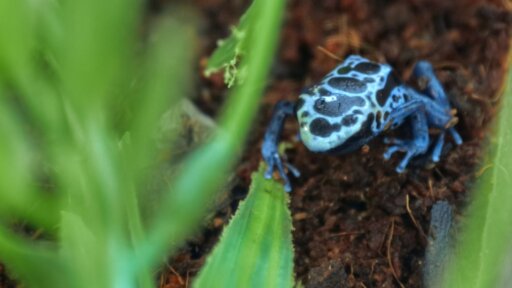
Efforts to get an orangutan to quit smoking, new species of frog named after Prince Charles, Floridians protest release of genetically-modified mosquito, fruit flies learn arithmetic, and yet another feathered-dinosaur find.
Chris Morgan sets up camp alongside the largest concentration of grizzlies in the world. Hour one of the three-part Bears of the Last Frontier series.
A brown bear mother and her cubs come within feet of ecologist and bear biologist Chris Morgan. Watch video from Bears of the Last Frontier: City of Bears.
The scent that a female brown bear gives off helps the male determine if she is receptive to mating. Watch video from Bears of the Last Frontier: City of Bears.
It’s finally here — time for us to share our incredible Alaskan adventure with the world through Bears of the Last Frontier. It has been quite the journey. The film has been nearly two years in the making, and for both of us it has become an unforgettable part of our lives
Delayed implantation, hibernation, and everything else you'd want to know about Ursus arctos.
Produced by THIRTEEN ©2012 Educational Broadcasting Corporation. All rights reserved.