Class: Aves
Order: Passeriformes
Suborder: Passeri
Family: Paradisaeidae
Genera: Lycocorax, Manucodia, Paradigalla, Astrapia, Parotia, Pteridophora, Lophorina, Ptiloris, Epimachus, Drepanornis, Cicinnurus, Semioptera, Seleucidis, Paradisaea
Species: There are an estimated 42 species of bird of paradise.
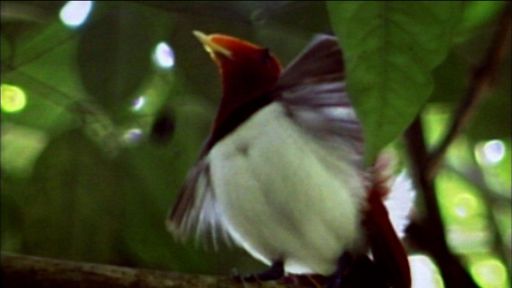
Size: Size varies depending on species, from approximately 15 cm or 5.9 in (King bird of paradise) to 110 cm or 43 in (Black Sicklebill).
Weight: Weight varies depending on species, from approximately 50 grams or 1.8 oz (King bird of paradise) to 448 grams or 15.8 oz (Curl-crested Manucode).
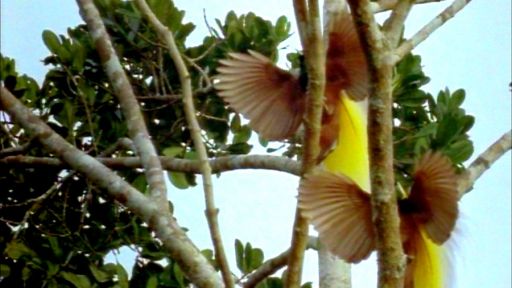
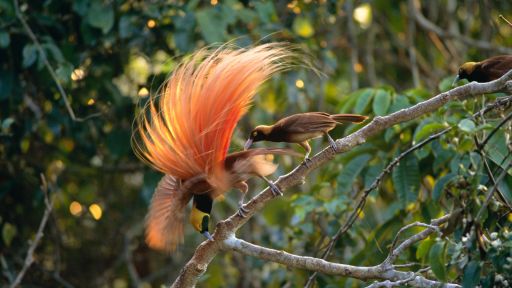
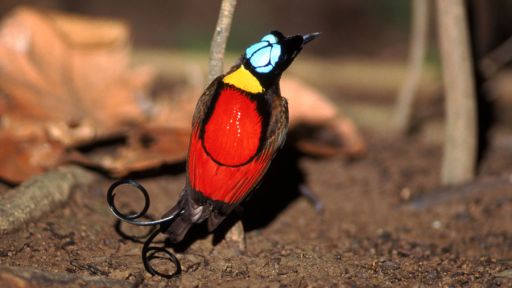
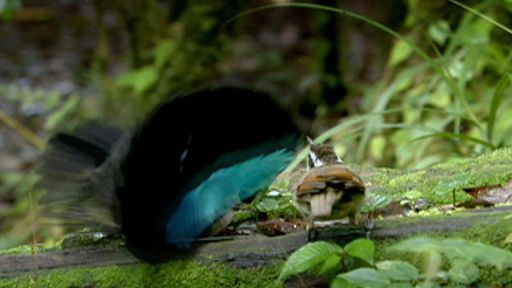
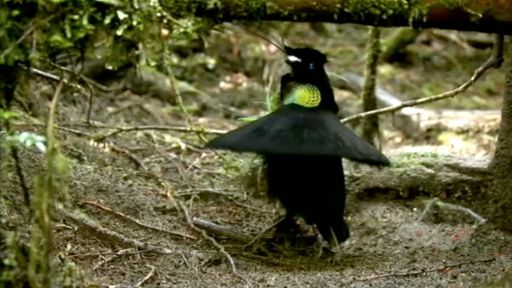
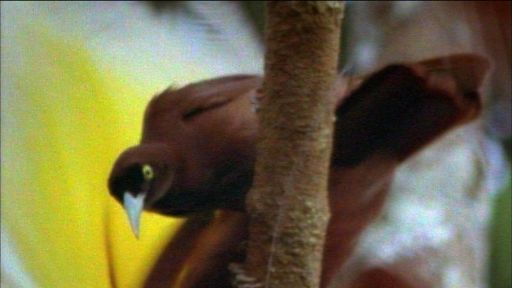
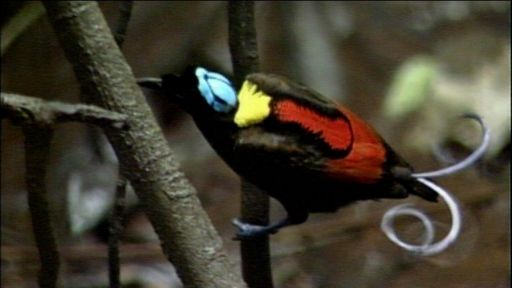
Plumage: The majority of birds of paradise are sexual dimorphic. Males have brightly colored and elaborate plumage while the females’ plumage is more drab. Coloring and type of plumage varies drastically between species.
Habitat: Tropical forests, rainforests, montane forest, and swamps.
Diet: Primarily fruit and arthropods, types and ratios vary between species.
Geography: Primarily found on the island of New Guinea. Some species are found in Northeastern Australia and surrounding islands.
Breeding: Most males perform bizarre and complex courtship displays to attract potential female mates. Some species perform solo while others perform in large groups known as leks. After mating, most female birds of paradise will leave and raise their young alone.
Threats: Birds of paradise have no natural carnivorous predators. However, excessive hunting by human populations and the growing logging industry encroaching on their natural habitats has put some species at risk.
Additional Facts:
- Although most male birds of paradise have spectacular plumage, there are a few species where the male and female have almost identical, generally modest-looking plumage. These species tend to be monogamous while the sexually dimorphic species tend to be polygamous.
- The Greater bird of paradise was named by Europeans Paradisaea apoda (“footless bird-of-paradise”) because feet had been removed from the first specimens that arrived in 16th-century Europe.
- Carola’s Parotia bird of paradise performs some of the most complex courtship dances in the animal kingdom.
- A male Raggiana bird of paradise is featured on the New Guinean national flag.
- There are a number of hybrid birds of paradise due to crossbreeding between distinct species.
- Bird of paradise plumes are used as currency by certain New Guinea tribes.
- The South African Bird of paradise plant (Strelitzia reginae) was named because of its flowers resemblance to the animals.