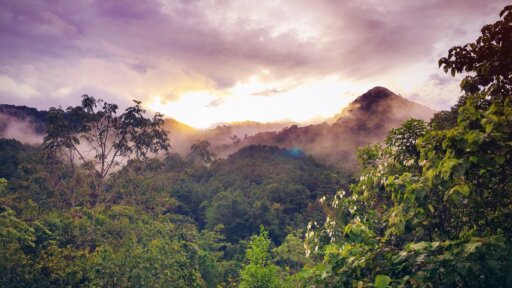
This piece comes to us from the Wildlife Conservation Society (WCS). https://youtu.be/MlC8Ok_jlXk?feature=shared Tropical rainforests regulate the global climate and sustain the planet’s richest biodiversity. Yet, despite more than a decade of government and corporate pledges to end tropical deforestation, the world lost a record 6.7 ...
This post comes to PBS Nature from World Wildlife Fund (WWF). WWF and Nature are collaborating on a series of blog posts from WWF conservation scientists that will share the stories and motivations behind cutting-edge conservation research. Have you thought there might be fewer butterflies ...
Ecuador is one of the most biodiverse places on the planet, yet its wild spaces are also among the most threatened. In 2008, the country became the first nation in the world to enshrine the “rights of nature” in its constitution—granting wild species their own ...
The long-awaited biennial Conference of the Parties—or COP—to the U.N. Convention on Biological Diversity got underway last week in Montreal after a two-year delay caused by the covid pandemic. The convention is working toward a Global Biodiversity Framework (GBF) to serve as the underlying goals ...
This piece comes to us from the Wildlife Conservation Society (WCS). To honor Hispanic Heritage Month, WCS and Nature are bringing you five stories in the fields of nature and conservation. Ever since I was a child growing up in Guatemala, I have loved the ...
The population sizes of mammals, birds, fish, amphibians and reptiles have seen an average drop of 68% since 1970, according to a recent report from the World Wildlife Fund (WWF) released on Wednesday, Sept. 9. NATURE spoke with Dr. Nikhil Advani, WWF's Director of ...
Cuba is a country that comprises the island of Cuba as well as Isla de la Juventud and several minor archipelagos. It is located in the northern Caribbean where the Caribbean Sea, Gulf of Mexico and the Atlantic Ocean meet. Almost every habitat found ...