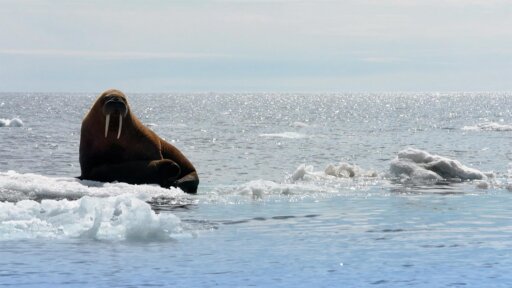
The Arctic “death spiral” refers to the rapid loss of sea ice caused by climate change. For walruses, this means losing the ice platforms they rely on to rest, raise their young, and hunt. Discover how melting sea ice is reshaping their future.
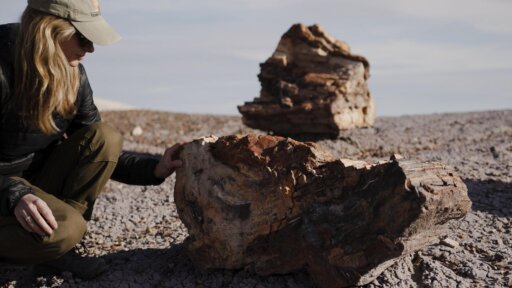
Locked within the stones and fossils of Petrified Forest National Park lies a record of life, death, and resilience during one of Earth's most extreme periods of environmental change. What secrets do these fossilized ecosystems reveal about the prehistoric past, and how can they help ...
Whether in a desert, the savanna, or a tropical rainforest, plants have an important role in the ecological processes of Earth’s biomes. In this episode of Crash Course Botany, we’ll explore these different living locales, the effects of climate change on them, and how our ...
This piece comes to us from the Wildlife Conservation Society (WCS). Views and opinions expressed in blog posts are those of the individuals expressing them and do not necessarily reflect those of THIRTEEN Productions LLC/The WNET Group. Cassandra, daughter of the King and Queen of ...
The population sizes of mammals, birds, fish, amphibians and reptiles have seen an average drop of 68% since 1970, according to a recent report from the World Wildlife Fund (WWF) released on Wednesday, Sept. 9. NATURE spoke with Dr. Nikhil Advani, WWF's Director of ...
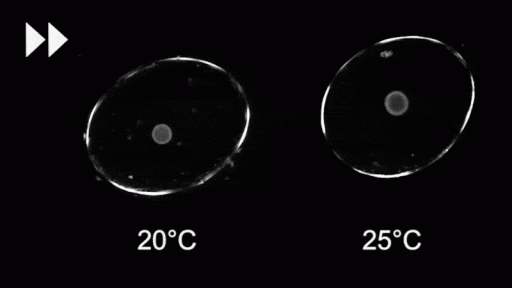
Each week, we feature a worthy citizen science project or nature news segment from around the world. This week we're featuring Embryo Cam. Researchers at the University of Plymouth are studying the effects of climate change on aquatic embryos. They use technology that mimics climate ...
Each week, we feature a worthy citizen science project or nature news segment from around the world. This week, we're featuring I See Change. I See Change allows communities to take observations and documentation into their own hands. As the climate continues to change in ...
Earlier this week, the United Nations’ Climate Action Summit gathered in New York City to discuss their plans to dramatically cut greenhouse gas emissions. This meeting kicked off Climate Week and in that spirit, we've rounded up the following nature-focused articles and events that delve ...
Coral reefs cover less than 1 percent of the Earth’s surface yet feed and shelter a significant amount of marine life, including some 4,000 species of fish. However, these vital ecosystems face an increasingly bleak future.