After each NATURE premiere, we gather online videos we love into a playlist. From our newest film to incredible footage from around the web, here were our favorites. And don't forget, you can always subscribe to our newsletter so you don't miss a thing! In Case ...
Whale Shark (Rhincodon typus): slow-moving, filter-feeding carpet shark. Kingdom: | Animalia Phylum: | Chordata Class: | Chondrichthyes Order: | Orectolobiformes Family: | Rhincodontidae Genus: | Rhincodon Species: | R. typus Whale sharks are the largest known extant fish species. Their name "whale shark" comes ...
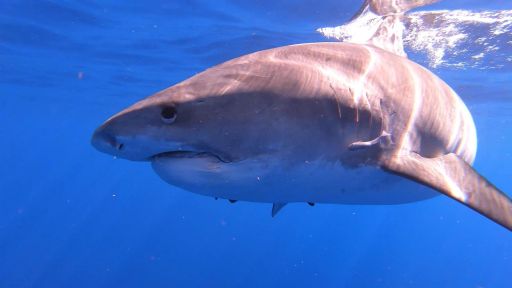
As with any PBS NATURE film, the key to getting the shots is time spent out in the field. Fortunately, for the crew of "Sharks of Hawaii" that meant the tropical islands of Hawaii.
Shark: sharks are a group of elasmobranch fish. Kingdom: | Animalia Phylum: | Chordata Class: | Chondrichthyes Subclass: | Elasmobranchii Infraclass: | Euselachii Superorder: | Selachimorpha Fossil records of sharks date back over 400 million years, meaning that sharks have outlived the dinosaurs and many ...
Lichen survive outer space (and what that might say about how life on earth began), genetic research suggests dolphins are second in intelligence to modern humans, new dinosaur bird ancestor discovered in Argentina, and more of this week's top nature stories.