

Related Show: Wild Kratts
Animal Mistaken Identity Guessing Game


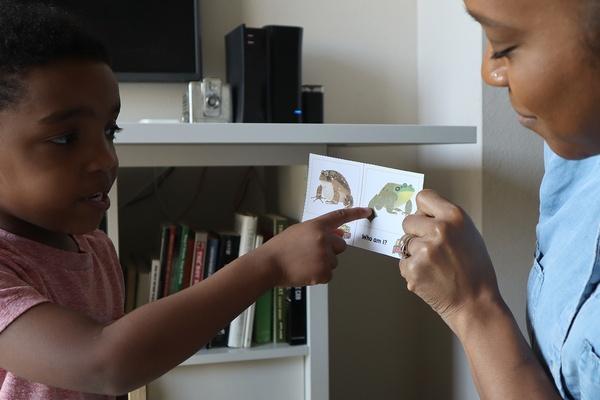
The Kratt Brothers often point out that similar-looking animals can have big differences. When identified correctly, these differences can give clues about how animals use their creature powers!
In this activity, challenge your child to carefully observe animals that are often mistaken for each other. Alligator or Crocodile? Seal or Sea Lion? Crow or Raven? Can they guess which animal you are before you run out of questions?
Materials
Directions
Ask your child if they know of animals that look similar to each other. If they aren’t sure, research a few animals in the Creaturepedia that are very similar to each other and are often mixed up. For example, look at photos of alligators and crocodiles, wolves and coyotes, or cheetahs and leopards. Choose a few of these animal pairs to use for the game. Some pairs to consider exploring are:
- Frog and toad
- Cricket and grasshopper
- Hare and rabbit
- Bees and wasps
- Turtle and tortoise
Create notecards for the game in any of these ways:
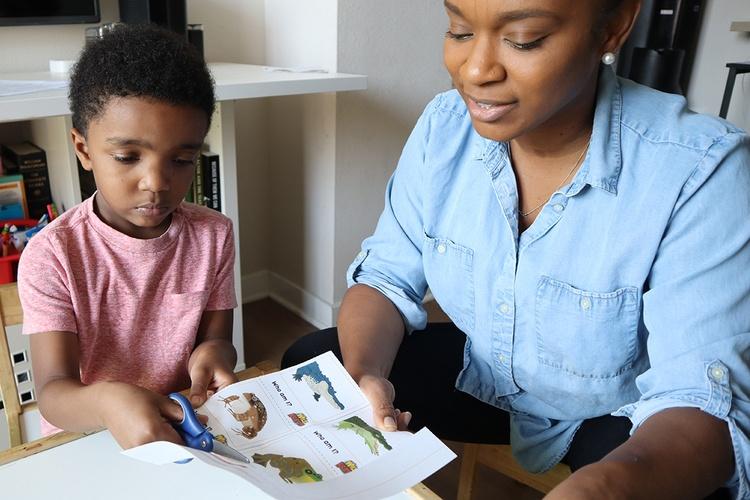
1. Print out the Animal Mistaken Identity Guessing Game printable.
OR
2. Create notecards by placing two animals side by side on a sheet of paper. You can either draw the pictures or cut out pictures of animals from magazines and glue them to the page.
OR
3. Find images of the animals on a mobile device and use those photos to play the game.
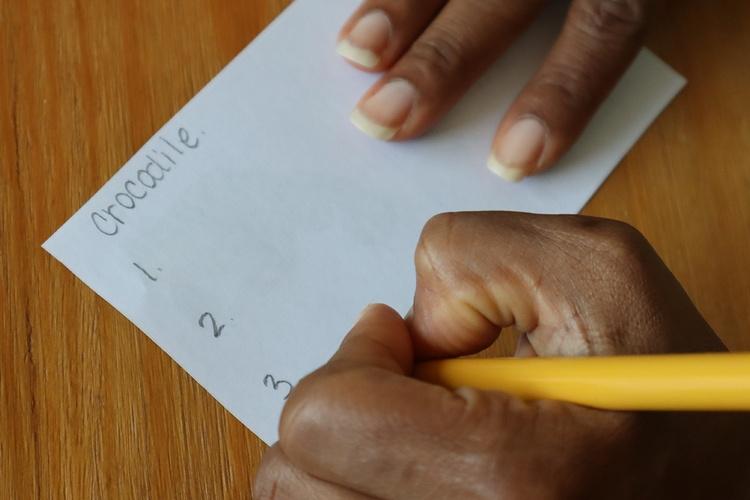
Help your child come up with three to five things they notice about the animals’ features in the pictures. Ask your child questions to help them notice differences. For example, ask your child, "What color are the two animals? Do they have the same patterns on their fur? Do they have taller ears or longer snouts?" On the back of each notecard, write the name of the animal and the information about the animal’s features.
Now, you’re ready to play! Put the note cards in a pile. Take turns picking up a notecard and quizzing each other about the animals. After choosing a notecard (or showing a side by side picture on a mobile device), ask your child “Who am I?” For example, “Am I a frog or a toad?”
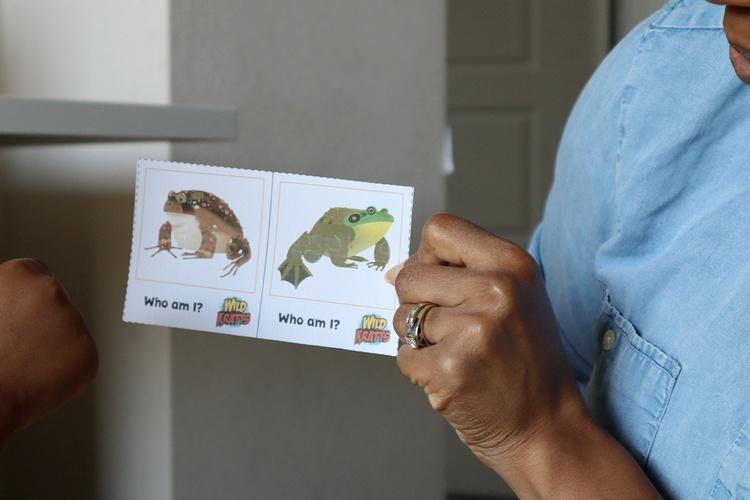
Have your child ask yes or no questions about the features they notice in the pictures. For example, they can ask questions like, “Are you hairy?” or “Are you slimy?” or “Do you live underground?” Your child may not remember what you shared about the animals in the beginning of the game, and that’s OK. They can continue to ask questions until they guess correctly. They can then point out any differences they noticed since starting the game.
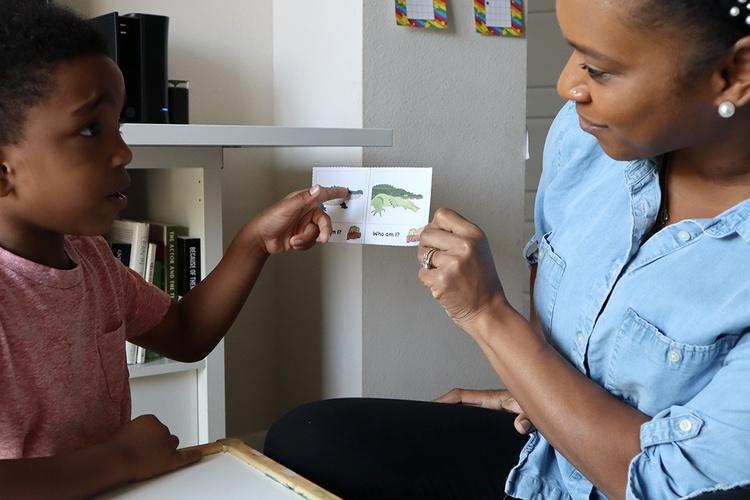
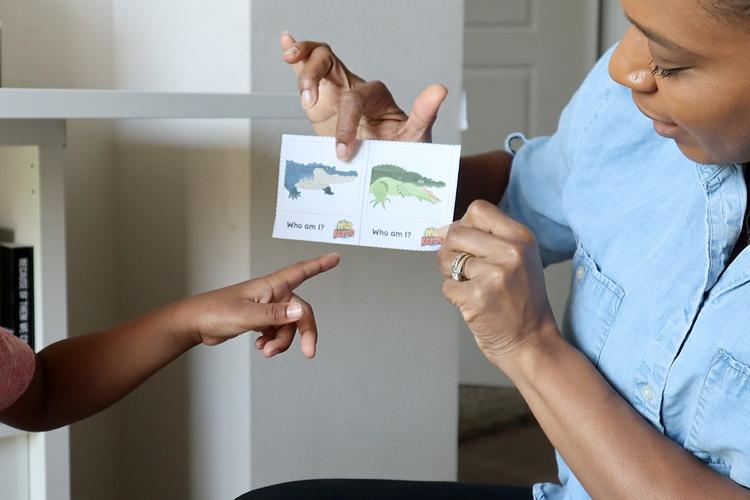
Once you’ve gone through the cards once, try playing the game by encouraging your child to compare two completely different animals in the stack, such as an alligator and a toad. Invite your child to point out the similarities and differences in their features that they notice.
Explore Further
Identifying differences between animals can continue after the game! Ask your child to identify unique traits about the animals they’ve seen in person, on TV or online. For example, when seeing someone walking a dog, ask your child to point out the features they notice about that breed. For example, ask your child, "Do they have a small nose? Are their ears big? How do these features differ from other types of dogs?"
Want more “Wild Kratts” activities? Check out the Creature Power Generator Game and the Test the Strength of Spider Webs activity to continue the fun!
 Science