
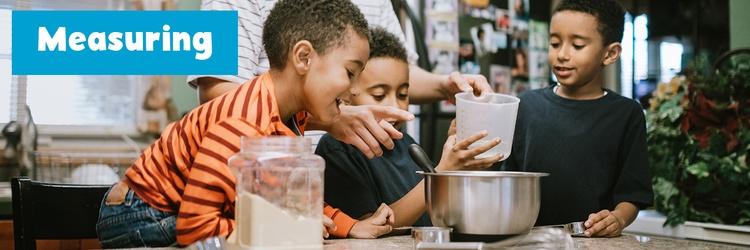
The world is filled with ways to measure different things: length, height, weight, capacity, money, temperature and time… to name just a few! Take your child’s learning to new heights by exploring all the ways we use measurement in our daily routines. Most young children (just like Curious George!) are naturally interested in how math can be found all around them. Whether counting the number of steps or measuring how many pencil lengths long is the sofa, you can help your child develop their mathematical mind, right from your own home!
Learn at Home With PBS KIDS
To watch PBS KIDS shows on measuring, download the PBS KIDS Video app. Looking for more activities? You can always create your own activity plan using the PBS KIDS for Parents Activity Finder and search by age and topic!
Questions to Ask Your Child
- How many steps does it take to get from the front door to the couch? What about how many hops?
- Let’s compare the size of these two toys. Which one is bigger? Which one is smaller? How do you know?
- What are some different ways we use measurement in the kitchen? How do we measure dry things like flour and sugar? How do we measure wet things like water or milk?
- How tall are you? How tall am I? How can we figure that out?
- What tools help us measure things in our home? How can we measure something without a ruler or tape measure?
Play and Learn Together With Children 2 to 5
Your child's understanding of measurement begins with vocabulary development at this age. Help them by using mathematical terms to describe and compare amounts and sizes of their favorite toys or animals (like dinosaurs!) — for example, saying “long” and “short” or “wide” and “narrow.” Learn through play by jumping as far as you can and then measure the distance using nonstandard measurement tools like a pencil or a book (How many book lengths did you jump?). Don't be surprised if soon your child wants to measure everything around them!
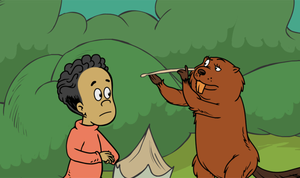
Go on a Length Hunt
Introduce your child to non-standard measuring tools, such as their feet, pennies, or string!
Measuring: How Many Steps, Hops, Jumps Does it Take?
Use nonstandard measuring units – steps, hops or jumps – to determine the distance from object A to object B.
Sharpen Measuring Skills by Playing Jump, Jump, Measure!
15 min activityJump as far as you can and then measure the distance using informal measurement tools.
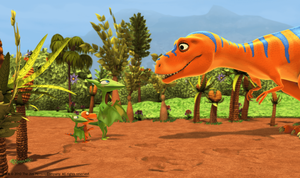
Sizing Up Dinosaurs
Measuring some super-sized dinosaurs will give your child a better understanding of just how big some dinosaurs were.
Play and Learn Together With Children 6 to 8
At this age, kids can often move beyond basic ideas of measurement ("this block tower is taller than this one") and begin making measurements using numbers ("the table is as tall as eight pencils"). Have some (messy!) fun with your child by making a gooey blob, and then divide the blob into smaller pieces and play a game of hide and seek that will help them learn, too. Measurement and data collection are important in science, art, cooking (use math while baking Peg’s honey cake!), sports and engineering — so there are plenty of ways to help your child learn at home.
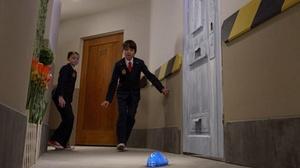
Make and Measure a Blob
30 min activityFollow an easy recipe with your child to make a gooey blob from ingredients found in your home.
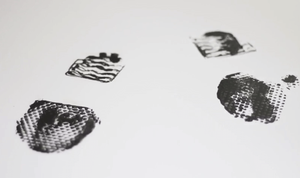
Make Mystery Footprints
Create a trail of footprints to examine just like a real detective.
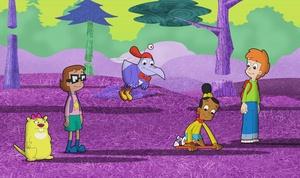
Estimate Height With Shadows
45 min activityMeasure the length of shadows to estimate the height of something very tall.
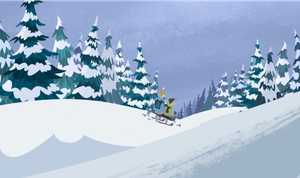
Investigating the Temperatures in Your Home
Go on an temperature scavenger hunt with your child to discover the ways you can measure temperature.
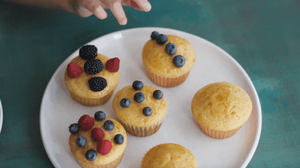
Use Math While Baking Peg’s Honey Cake
As you bake and decorate a delicious honey cake, look for all the ways you use math — from measuring the ingredients, to setting the oven temperature and timer, to decorating the cake with geometric patterns.
Play and Learn By Myself
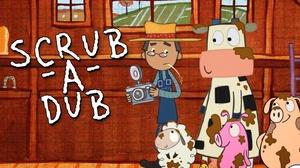
Scrub-A-Dub
In this game, your child will learn to sort by size and capacity to get the farm animals nice and clean for a picture!
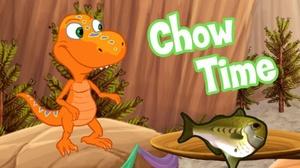
Chow Time
The dinosaurs are hungry! Add food to the scale until it’s balanced. When you’ve got it right, watch them chow down!
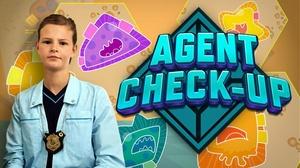
Agent Check-Up
The Odd Squad doctor needs an assistant! Your child can help cure the Odd Squad agents of their odd ailments by collecting data to make a diagnosis while learning about fractions, volume, coordinates, and greater than/less than comparisons.
Down The Tubes
The Odd Squad needs help fixing their transportation tubes. Your child can practice math concepts including measurement, addition and spatial reasoning skills while helping the Odd Squad make the needed repairs.
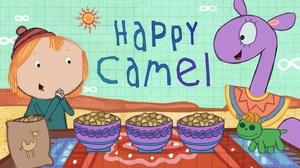
Happy Camel
Using a pan balance is one way to learn about weight and measurement. In this online game, your child can compare the weight of different bowls of food to determine which bowl contains a hidden toy.
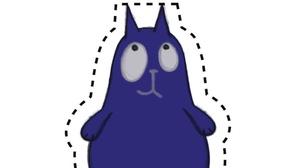
Cat Measuring Tool
Use Cat as a measuring tool!
Read More
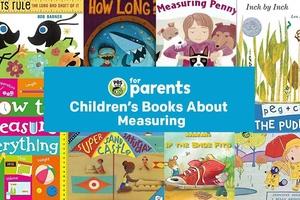
Children's Books About Measuring
Explore all sorts of measurement, including standard and not-standard measuring tools, the English and metric systems, and even how people measured things in Ancient Egypt.
6 Ways to Help Kids Develop Positive Math Attitudes
Math is everywhere, and everyone can be good at it! Use these six tips from Cyberchase to help your child develop positive attitudes toward math.
Finding Math in Everyday Places
Here are some activities and conversation starters that can help kids find math all around them.
8 Easy Ideas to Add Math Into Your Daily Routine
Most children are interested in math as it exists in the world around them. Here's how parents can use that excitement in their everyday routines (and you don't need to be a math wiz!).