
Learning Life Lessons from “Xavier Riddle and the Secret Museum”


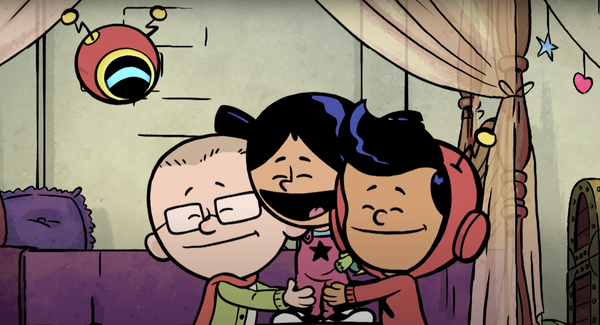
In “Xavier Riddle and the Secret Museum,” Xavier, Brad, and Yadina solve everyday problems through meeting extraordinary historical figures. The characters show young viewers how to:
Be brave.
Show empathy.
Achieve goals.
Keep trying.
Be curious.
These important life lessons are highlighted even more in a new “Xavier Riddle and the Secret Museum” short series. The show features Xavier and friends learning and developing traits like courage, honesty, empathy, and curiosity.
Here’s how you can talk to your child about these skills:
Honesty. Teach your child to be truthful — even when the truth is tough. In "Fair and Square,” Xavier admitted to Berbie that he was dishonest after cheating in their race. Admitting that he was dishonest was a tough thing to do. Dishonesty can come from a fear of getting in trouble. But it’s good for children to learn how to face consequences as a result of their actions. Let your child know that even a small lie or a lie that someone tells to avoid hurting another person is not being truthful. Sometimes it’s better to say nothing at all than to tell a lie.
Perseverance. When we see our children struggle, our gut reaction is to fix it and make it easier. But in allowing children to experience tough things, we teach them persistence. Let your child identify challenges. As Brad notes, “perseverance means sticking to something, even when it’s hard!” In the short, “Puzzled,” Brad learns from Marie Curie to keep trying to build his tent even though he hasn’t done it before.Help your child focus on their strengths. Support them in working through hard times, despite disappointment or failure. And let your child see you face challenges too! They can then see how you navigate tough things, ask for help when you need it, push against unfairness and inequity, and manage challenges.
Courage. Encourage your child to get out of their comfort zone by trying something new. As Brad notes, “Courage means bravely moving forward, even when you’re scared.” In “Stand Up,” Brad stands up for Yadina, and Yadina stands up for herself when another kid makes fun of her for what she likes to read. Encourage your child to get up in front of others whether at school or a family gathering. This can be scary for children, but encourage them to start using tools to ease their anxiety. Relaxing their muscles, breathing deeply, or singing their favorite song in their head can help them overcome fear and build self-confidence. Looking for events in the community such as spelling bees, theater, dance, competitive sports, or music can be a great next step.
Curiosity. Children are naturally curious — and we should encourage that curiosity! In the short “Dreidel,” Yadina and Xavier ask Brad about his Hanukkah traditions even when they are nervous about not knowing. In the end, everyone is glad they asked! As Xavier notes, “Being curious can lead to discovering some amazing things.” In fact, curiosity can make learning more interesting and result in active thinking, which is good for the brain. Expose your child to other ways of life by touring libraries and museums virtually or in-person. Ask them questions — and encourage their questions! — to keep them interested in the world and people around them. As Yadina notes in the “Dreidel” episode, “Asking questions can help us learn!”
Self-awareness. Help your child understand their emotions, personal identity, goals, and values. Encourage your child to recognize their strengths and limitations by asking them about their thoughts, feelings, and actions.Talk with them about the significance of their cultural identity to boost pride.
Empathy. Help your child take the perspective of others and grow in empathy and compassion by teaching your child that not everyone has the same background and life opportunities. Acknowledge and appreciate differences. Read books with diverse characters and written by diverse authors. Watch shows with people from different racial, ethnic, and cultural backgrounds.
Resolving conflicts. Help your child communicate, listen, and cooperate by teaching them that feelings of anger, sadness, and frustration are OK during conflict. Giving your child tools to manage stressful interactions is key: Support them in using their words to say how they feel, model how to take turns listening and speaking, and tell them how to seek help from a grown-up when problems with others become too difficult.
The best way to teach these skills? Model them! Share stories of when you made mistakes and how you got back on track. As you spend time with your child, remember that life lessons, just like academic lessons, need to be learned through practice. Learning skills like courage, curiosity, and compassion will help our young ones to not only succeed, but create a more just and equitable society.
 Author:
Travel back in time with Xavier, Yadina, and Brad to learn life lessons from historical figures.