

Planning a Trip? Let Your Child Help


When my kids were four and six years old, we decided to take a special family trip to grandpa’s house several hours away. To get my kids excited about the trip, I decided to engage them in the planning process. Together we traced our fingers along the route from our house to his house on a map. While I traced the route, I pointed out where we would be hour by hour. “Let’s think about how we can make the long ride fun,” I said. We created a checklist of items to put in a special “travel bag”: small toys, books, and snacks. Using the checklist as a guide, my kids helped gather and pack items. This not only helped them get excited about our travel plans, it helped them be more independent during the trip. They knew what they had and where it was packed because they had done it themselves.
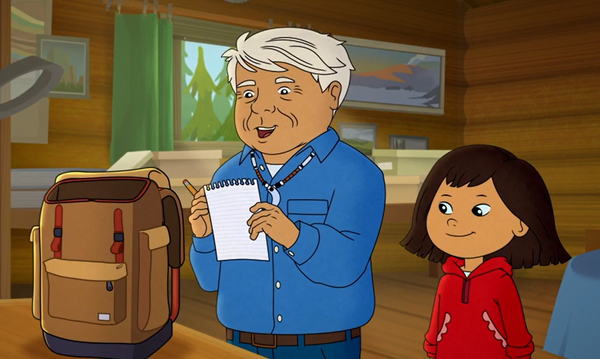
One thing I love about “Molly of Denali” is how the show illustrates ways Molly uses her reading and writing skills to figure things out. In “Molly of Denali: The Big Gathering,” Molly and her family prepare to go to an annual gathering with Alaska Native people from across the state where current affairs are discussed and culture is passed on. Leading up to the event, Molly uses functional texts such as maps, schedules, labels, and lists to engage in the process alongside her parents and community members. By using these tools, Molly is able to process how a trip is planned — and contribute to her family and community as well. She’s a pro at practicing reading, writing, and research skills in practical ways to do everyday tasks.
As grown ups, we may already have independent routines for planning a trip. But when we involve kids, we can help them practice key literacy skills, such as reading maps, creating schedules, and making lists and help them feel more invested in the trip. No matter where you’re going — whether running errands around town or to a big family gathering out of state — you can encourage your child to practice using functional literacy skills to help you plan.
Why You Should Let Kids Help Plan a Trip
As a parent, you may often find yourself juggling countless responsibilities and making all the decisions for your family. While planning a trip with kids may seem like just another item on your to-do list, involving them in the process can be a rewarding experience for all. Here are a few reasons why you should let your kids help plan a trip:
- Building life skills. Allowing your child to participate in planning a trip teaches valuable life skills such as decision-making, budgeting, time management, and problem-solving. As they grow, these skills will help them become more independent and self-reliant individuals.
- Encouraging responsibility. When children are included in the planning process, they begin to understand the significance of responsibility. They'll learn that vacations involve more than just fun and relaxation but also require organization, commitment, and teamwork.
- Being creative and using your imagination. Planning a trip with kids sparks their creativity and imagination as they envision the places they'd like to visit and the activities they want to experience. By encouraging a preschooler’s ideas and input, you help nurture their innate curiosity and sense of wonder.
- Boosting confidence and self-esteem. When you involve your children in planning a trip, you show them their opinions and ideas are valued. This positive reinforcement boosts their self-esteem and confidence, empowering them to be more proactive in other areas of their lives.
- Enhancing communication skills. As you plan a trip together, your child must express their thoughts and preferences clearly. This process helps improve their communication skills, enabling them to better articulate their feelings and ideas in various situations.
- Developing research and organization skills. Researching destinations, attractions, and accommodations allows your child to develop essential research skills. Additionally, organizing the trip itinerary, packing lists, and schedules will help them learn how to manage and prioritize tasks effectively.
- Learning to appreciate diverse cultures. Planning a trip with kids exposes them to different cultures, histories, and traditions. This exposure promotes cultural awareness, understanding, and respect for diversity, which are essential qualities in our increasingly interconnected world.
- Learning to be flexible and adaptable. No matter how well you plan, unexpected situations can arise during a trip. Involving your children in the planning process teaches them the importance of being flexible and adaptable, which are crucial life skills in navigating the ever-changing environment.
- Bonding as a family. Involving your children in trip planning strengthens family bonds and creates lasting memories. Working together as a team, discussing options, and sharing ideas help build trust.
Here are four ways to get your kids involved in preparing your next trip:
1 Set a Schedule Together
Perhaps you, like me, keep the family calendar on your computer or phone. Unfortunately, that means kids often don’t know what’s happening more than a day or two in advance — and only because we tell them. One way to include your child in planning a trip is by talking about the schedule — the things you are going to do and when you’re going to do them.
Hand them a calendar and help them mark the dates you’ll be traveling. Draw a fun emoji or a symbol to indicate when you’ll be gone and what you’ll be doing on the days you’ll be away. You can also mark the days you’ll be preparing for the trip too, such as when you will make a packing list and when you’ll pack.
Of course, the next question is, “What will we do when we get there?” A daily schedule helps kids anticipate what comes next. Creating a basic schedule with your child of what you will do each day is not only a skill-builder, it will help reduce anxiety about traveling to a new place with a new routine. You can also empower your child to help make choices as to what you include on the schedule. What activities do they want to try? What do they want to see on the trip? For kids who aren’t yet reading, use simple pictures to represent activities.
2 Explore With a Map
Map-reading is not an outdated skill. It’s a key tool for building children’s spatial reasoning skills and helping them make sense of the world. Print out or draw a map that shows your home and destination. Read the legend with your child and discover how far you’ll be traveling and in what direction (north, south, east, or west). If you’re traveling in your city or town, read the name of the streets along the way. If you’re traveling in-state, how many towns will you drive through? If you’re traveling out of state, will you cross rivers or other bodies of water?
As you and your child explore the map, talk about what you know about the places you’ll travel by and where you’re going. In “The Big Gathering,” Molly uses a map to learn how far her family and friends travel to get together. She also uses the map to learn about different parts of Alaska. Your child can use the map to explore different routes. Encourage them to make a chart to write down the route they think will be the fastest or the route that will be the most scenic.
3 Get More Information
With the schedule and map as a reference, help your child research more about your trip online. Depending on the age of your child, they can help research some of the following questions — either independently or with your support.
What is the weather forecast for the trip dates?
What are some sites and attractions at your destination?
Where might you eat?
As they learn more, encourage them to draw symbols on the schedule to indicate the weather forecast or to add the locations of sites and attractions to the map. With more context about what to expect, they can engage in preparing for the trip in more ways. In “The Big Gathering,” Molly helps her friends who are also preparing for the event by looking information up online, including ferry schedules, delivery dates, and more. Researching together is one way to help your child practice using keywords and finding information to plan out a trip.
4 Create Checklists
Trip-planning is a great time to use checklists to build skills! If your child can write, let them. If they can’t, help them develop handwriting skills by putting them in charge of checking off (or putting a sticker on) items as you complete them. They can also practice using checklists in the “The Big Gathering” game.
Things We’ll Do List: Helping kids create a simple checklist with three-to-five things they will experience on a trip is a great way to build excitement and get a sense of what matters most to them. Include sites and attractions your child may have found while researching the destination.
Packing List: Create a packing list with your child so that they can help pack their own bags. Have your child consult their schedule as they create the checklist. Prompt your child with questions such as: “How many days will we be gone? What activities will you need to pack for? What did you learn about the weather forecast?”
Get-the-House Ready Checklist: Have your kid help you brainstorm things the family will need to do before leaving, such as clean out the fridge, take out trash, water the plants, stop the mail, pack snacks, load the car, etc. Encourage your child to look at their schedule to determine what needs to be done and when before the trip. For example, Molly and her family have a fridge feast to clean out their refrigerator a few days before they leave so that they don’t return to find spoiled food. As your child creates this list, they may find something to do that becomes a tradition for your family before you travel!
Using these activities — scheduling, mapping, researching, and making checklists — can be an excellent way for kids to build practical literacy skills that can be used for everyday tasks. Yes, it might be faster to do it on your own when your child is young, but helping is good for kids. They thrive when they feel useful and when they know that they have something important to contribute. Trips are memory-makers. When kids are involved in the process, it can make the memories that much sweeter.
 Author:
Join Molly, an Alaska Native girl, and friends on their adventures in beautiful Alaska.