


Weather Watching With Kids


“Shorts or pants today?” My son shouts from his room most mornings as he gets dressed. To him, it’s one of the most important questions of the day.
Understanding the weather is more than knowing what to wear for the day (although that’s part of it)! It means observing what’s happening in your neighborhood, learning how the weather impacts the plants and animals around you, and knowing what to do with that information. That’s exactly what you’ll find in the new PBS KIDS show, “Weather Hunters,” created by “America’s weatherman” Al Roker.
“Children are naturally curious about the world around them. And what affects them more than anything else is the weather,” said Al Roker, who voices a weathercaster on the show. “They see it, they experience it, and more importantly, they wonder what causes it and how it affects them.”
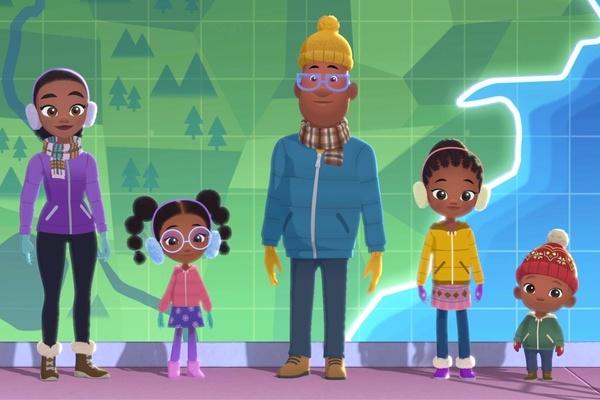
In “Weather Hunters,” eight-year-old Lily Hunter explores the weather with her family. She’s joined by her documentarian sister Corky, artistic brother Benny, multitasking mom Dot, and meteorologist dad Al. Like the family says in each episode, “Whatever the weather, we’re in it together!”
“One of the main goals that we are hoping for is that families slow down and pay attention to the weather,” said Sara B. Sweetman, senior education advisor for the series and associate professor of education at the University of Rhode Island. “We walk from our house to the car to get to baseball practice and don’t often take the time to stop and notice and wonder about what’s going on in the atmosphere around us.”
You can start by simply stepping outside together and observing what the weather feels, looks, smells, and sounds like. How does the sun feel on your skin? Do you see the wind moving anything around us? What else can they observe with their senses?
Then talk to your kids about what the weather is like in other parts of the world and how it’s different depending on the climate. As Sweetman explains, weather is what we can see right now when we go outside, while climate is what we think would happen based on consistent patterns over many years. For instance, some places are hot year-round, while others experience months of snow. The rainforest and the desert have very different climates, so talk with your child how they are different and similar. How do they compare to your climate and expected weather at home?
No matter what the weather is, there are so many ways to embrace and enjoy it. As Al Hunter says, “Hey kids, the forecast calls for fun!”
Here are some fun weather activities for kids to try:
Go on a weather walk. Experience the seasons together by spending intentional time outside. Go on walks in the rain, snow, wind, and heat to explore how your neighborhood changes in different weather conditions. Turn your walk into a scavenger hunt by asking your kids to point out where the trees have changed colors, where the flowers have bloomed, or where there are water puddles.
Invite kids to use their senses. What do they see, hear, smell, or feel? If the weather outside is too extreme for a walk, talk about why that happens and what you can do to stay safe.
Encourage them to ask questions. If you don’t know the answers, discover them together!
“As adults, it’s okay that we’re learning right alongside our kids,” said Sweetman. “Showing the learning process is the best thing that families can do for their kids to become lifelong learners.”
Set up a weather station. Use an outside windowsill or front stoop to create a simple weather station that tracks conditions like temperature, rain, clouds, and wind. Assign a child the job of family weather reporter — or take turns! Here are four weather conditions your child can observe and record:
Temperature. Get or make an outdoor thermometer. Encourage your kids to record the temperature and then go outside to see what it feels like.
Precipitation. Use a rain gauge (or even an empty jar!) to track rainfall or snowfall. Ask what happens to the ground, plants, and roads after it rains or snows.
Cloud coverage. Describe what the clouds look like. Is the sky clear, partly cloudy, or overcast? Ask your child to describe the shape or movement of the clouds.
Wind conditions. Check the wind speed by using a windsock, flag, pinwheel, or even an anemometer, like the one Lily found in her great-grandpa’s workshop in the first episode. The windier it is outside, the faster they’ll move
When my kids were preschoolers, we used a magnet board that showed the weather each morning: sunny, cloudy, partly cloudy, rainy, stormy, or snowy. Then, we’d talk about whether the temperature was hot or cold, and if we didn’t know, we’d go outside to find out!
Keep a weather log. Keep a daily weather chart with your child and review it at the end of the month. What do you notice? For younger kids, keeping a weather log might look like drawing a sun, cloud, raindrop, snowflake, or lightning bolt to show what the day was like.
Encourage early readers and writers to write a word or phrase that describes the weather each day. Add a math component and find patterns by drawing a bar graph to show how many hot days, cold days, rainy days, sunny days, or cloudy days they recorded in a month. (Or, have them plot out the average temperatures by creating a line graph!)
“Knowledge truly is power, especially for children. Their natural curiosity about the world is constantly engaged by weather — it's something they directly experience every day. They feel rain on their skin, hear thunder overhead, and wonder why the sky changes colors,” said Roker. “By helping children understand both the science behind weather patterns and how climate impacts their lives, we're not just satisfying curiosity — we're empowering them.”
For more ideas on how to explore the weather as a family, check out the new show “Weather Hunters”!
 Author: