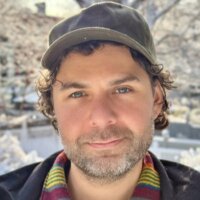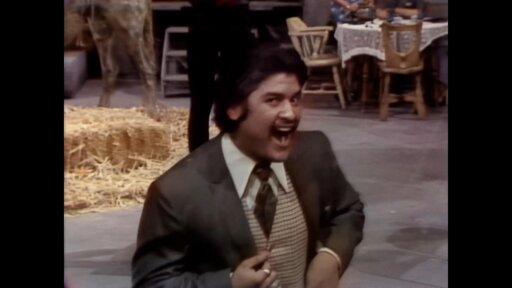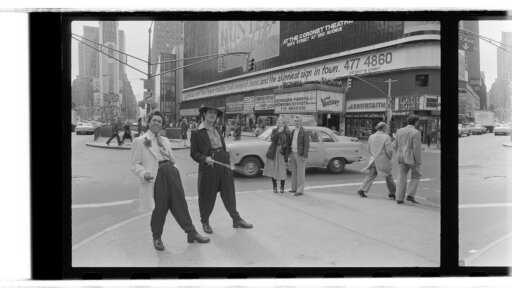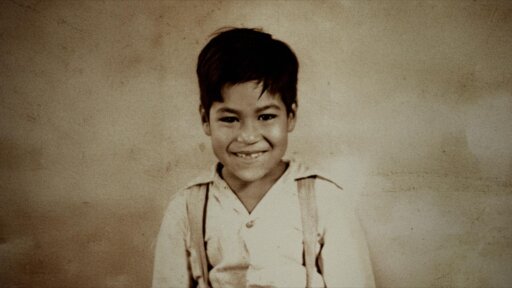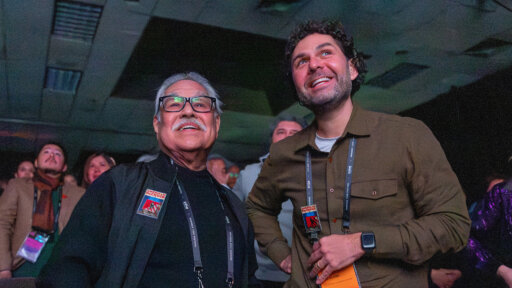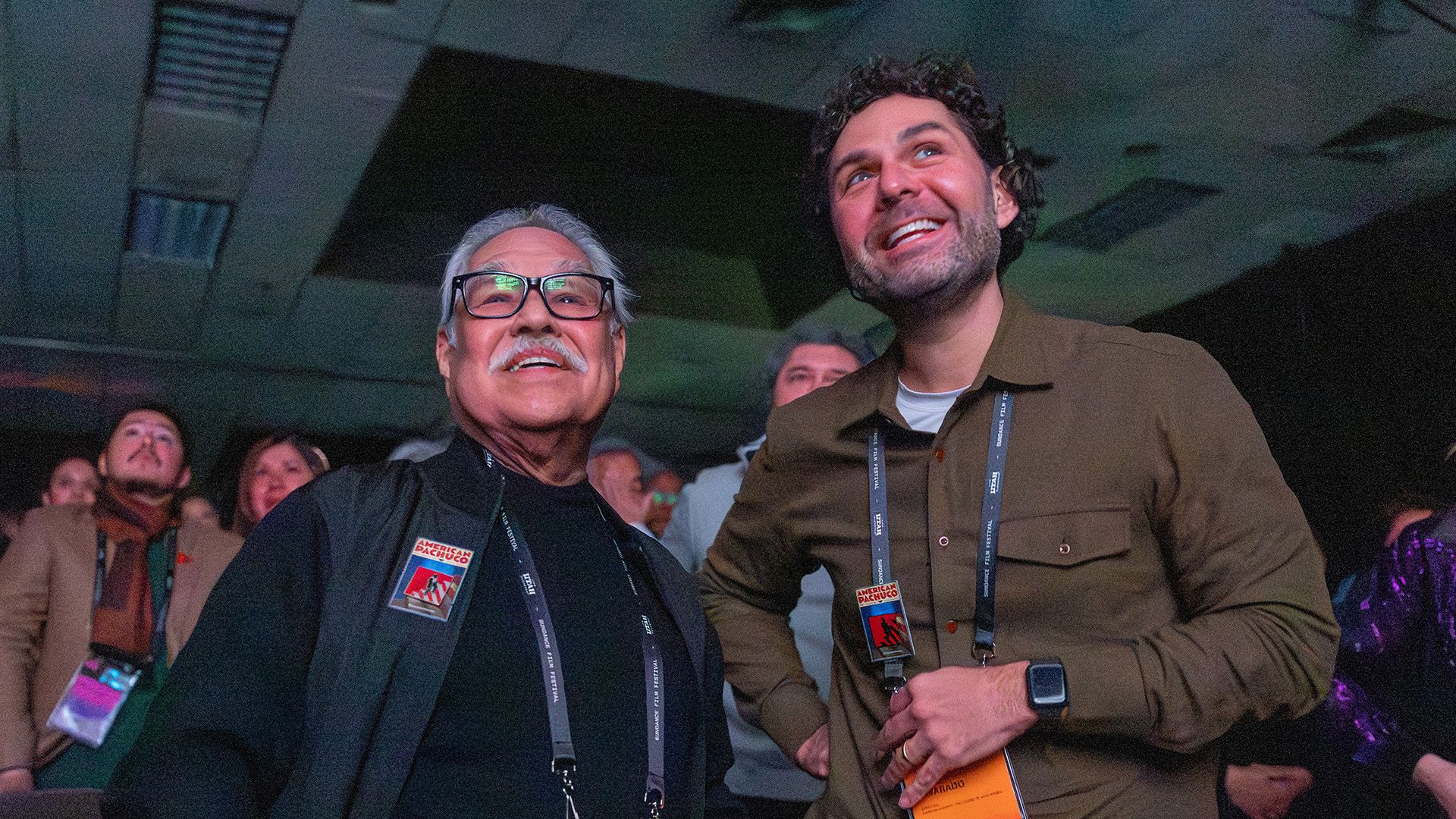
Luis Valdez and David Alvarado
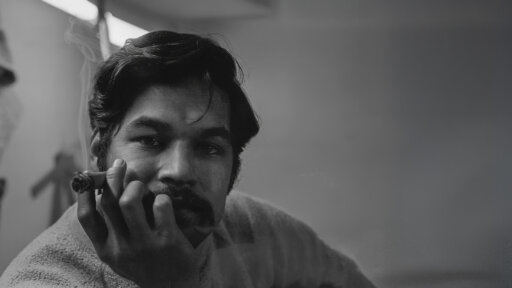
I’ve spent the past four years making a film about Luis Valdez, which meant living inside 60 years of his work. Most people know him as the father of Chicano theater, the man behind Zoot Suit and La Bamba. What I didn’t appreciate until I was deep in the research is that he’s been part of documentary film since the beginning of Chicano cinema. Once you see the pattern, you can’t stop seeing it.
Start with the record. In 1969, he directed and narrated I Am Joaquin, the documentary essay film built from Corky Gonzales’s poem, often called the first Chicano film and added to the National Film Registry in 2010. Six years later came Fighting for Our Lives, the story of the 1973 grape strike, nominated for the Academy Award for Best Documentary Feature. Valdez co-wrote the narration with director Glen Pearcy and Peter Matthiessen, and he performed it. And here’s the detail I love: the film was produced through the movement’s own National Farm Workers Service Center and billed in its credits as “A Farm Worker Film.” Our whole field is wrestling with participatory documentary right now. Who holds the camera, who gets to author the story. The movement was helping author its own documentary record half a century ago.
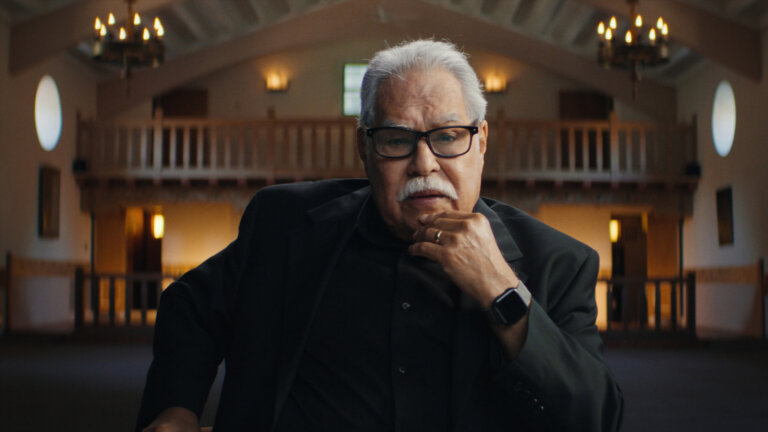
Then there’s the voice, and this is the part I hadn’t fully registered. The span alone should stop you: his narration credits stretch across more than 50 years. Across all of it, when the great Latino documentarians needed someone to carry history, again and again they chose Valdez. Rick Tejada-Flores brought him in to narrate Diego Rivera: Rivera In America for PBS’s American Masters. Hector Galán, who made the landmark Chicano! series, had him narrate Los Mineros for American Experience; 25 years later, Galán came back to him for Willie Velasquez: Your Vote Is Your Voice. Paul Espinosa used his voice across border films, from The New Tijuana to the PBS series The U.S.-Mexican War. Raymond Telles handed him The Storm That Swept Mexico and American Agitators, which reached theaters this year. As Lou Diamond Phillips puts it in our film, Luis’s voice is “like a lion’s roar. It’s like Moses bringing the tablets down from the mountain.” That’s what I keep coming back to.
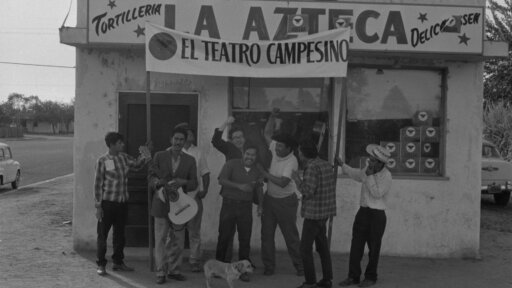
Think about who plays that role in the wider field: Attenborough. Morgan Freeman. Peter Coyote. Valdez belongs on that shelf, and this isn’t me being generous: in 2016, President Obama presented him the 2015 National Medal of Arts, the country’s highest honor for an artist, in the same class as Freeman himself. Even that comparison undersells him, though. Valdez grew up in a migrant farmworker family and founded El Teatro Campesino on a picket line in 1965. When he narrates the farmworker and Chicano movements, the narrator is a primary source.
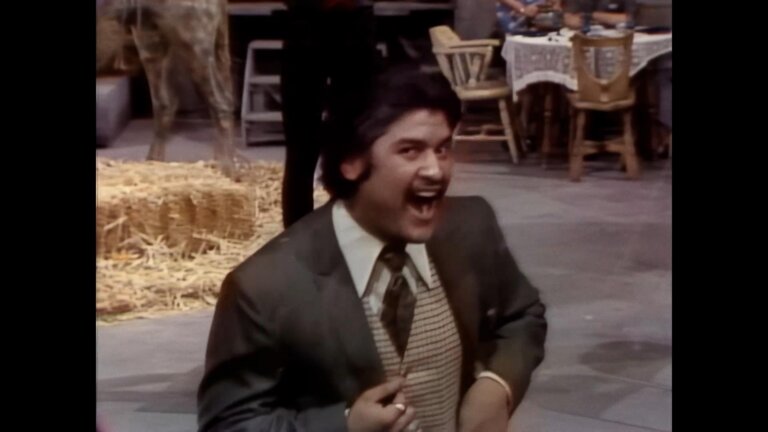
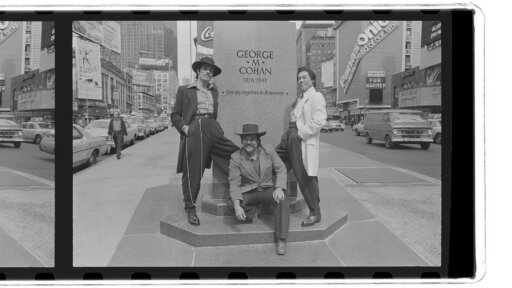
He and El Teatro Campesino also built the record the rest of us mine to understand Chicano history in the U.S. and ourselves along with it. The Teatro archive at the University of California, Santa Barbara holds decades of strike footage, performances, interviews, and photographs that documentary makers keep returning to, myself included. He sat with Lourdes Portillo for the Academy’s oral history program, more than five hours of testimony. He shows up as a witness in Dolores and The Bronze Screen. Few living people have done more to make this history filmable.
So this isn’t a case anyone has to construct. The credits have been sitting in plain sight the whole time: a National Film Registry film, the narration of an Oscar-nominated documentary, the voice of Latino public history on PBS. All our field has to do is read them out loud. Which feels right to me, because reading history out loud is what Luis Valdez has been doing for the rest of us all along.