
When delegates traveled to Philadelphia to sign the Declaration of Independence in the summer of 1776, they passed through a continent brimming with life. Beneath those “spacious skies,” forests still blanketed much of what is now the contiguous US. Rivers flowed freely from mountains to sea. Wetlands stretched across tens of millions of acres.
More than mere scenery, these lands and waters helped power the rise of a nation—but at a cost. Today, much of America’s wildlife and wild places are in retreat, and the natural systems that undergird our republic are themselves under growing strain. And yet, this Fourth of July, I bring a message of hope. The history of conservation in the US suggests that we succeed when we recognize that nature, like democracy itself, is a shared inheritance requiring shared stewardship. Since 1776, Americans have repeatedly come together to achieve what once seemed impossible. We can do it again.
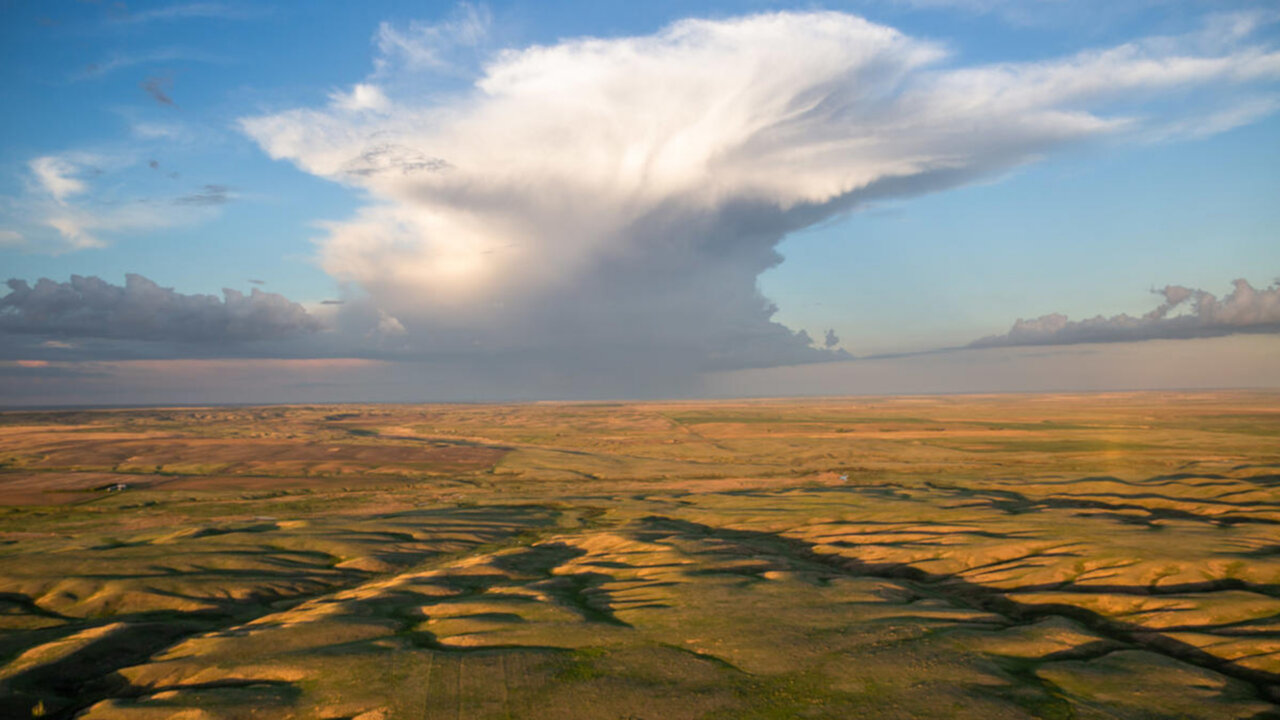
The first step is recognizing some hard truths. More than half of America’s wetlands have disappeared since the nation’s founding. Rivers that once carried salmon, sturgeon, and countless other species from sea to headwaters are now interrupted by hundreds of thousands of dams and other barriers built by people. The American chestnut, once dominant in the forests of Appalachia, has been all but erased from the landscape.
© 2018 Chris Boyer–Kestrel Aerial Service
The unraveling of America’s natural bounty has had tragic consequences for humans—and, as is so often the case throughout history, marginalized and vulnerable groups have borne the brunt of them. As the US expanded, Indigenous Peoples were forced from ancestral lands, while the near extermination of bison that once numbered in the tens of millions upended the cultures, economies, and food systems of many Native Nations. Yet the bugle call of Manifest Destiny often drowned out warnings that something precious, and ultimately indispensable, was being lost.
What the country failed to grasp—something Indigenous Peoples understood deeply—is that people and nature are inseparable. A wetland may look like empty land waiting for a better use, but it is already hard at work, soaking up floodwaters, cleaning our drinking water, storing carbon, and providing nursery grounds for fish and wildlife. Likewise, healthy soils and pollinators help keep farms productive even as drought, pests, and disease become more common.
We had to set a river on fire, quite literally, before we could recognize this simple but profound truth. In June 1969, an oil slick floating atop Ohio’s Cuyahoga River burst into flames, and a photograph published in TIME—ironically, of an earlier fire on the same river—seared itself into the national consciousness. If we could pollute a river enough to set it ablaze, many Americans concluded, we had gone too far, too fast, driven in part by the mistaken belief that the country’s ecological treasure was inexhaustible. It was past time for a correction.
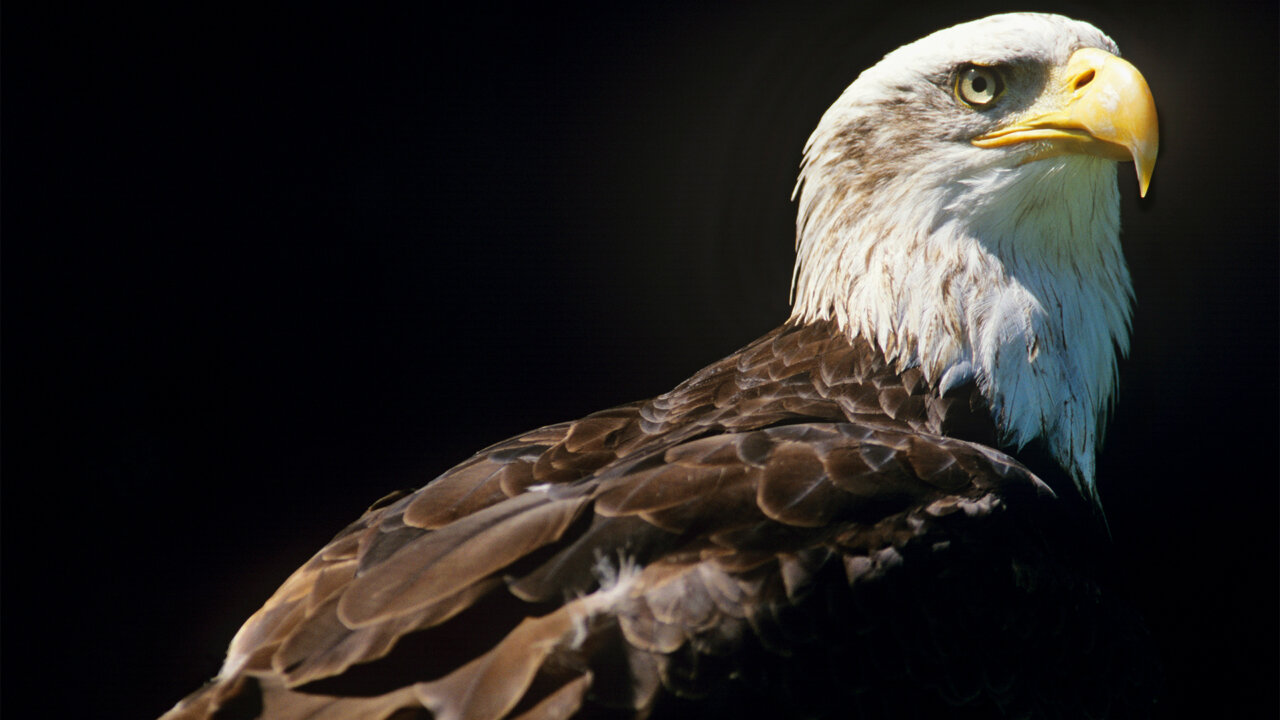
Fortunately, the same ingenuity and resolve that transformed America’s landscapes and waterways are also capable of restoring them. The saga of the bald eagle, America’s official bird and emblem, offers reason for optimism. By 1963, only 417 nesting pairs remained in the lower 48 states. Scientists identified the pesticide DDT as the culprit behind widespread eggshell thinning, prompting a ban and helping build support for the Endangered Species Act—legislation that has since prevented the extinction of more than 99% of the species under its protection. Today, bald eagles once again soar over much of the country.
© WWF-UK / WWF
To be clear, some things that are lost are likely gone forever. We were too late for the passenger pigeon, once so abundant that passing flocks could block out the sun for hours. The last one, named Martha after America’s first First Lady, died in the Cincinnati Zoo in 1914.
And yet, where we intervene, the results can be inspiring—not just for a single wildlife population or species, but for entire ecosystems. Last year, following the largest dam removal project in US history, the Klamath River flowed freely for the first time in more than a century. Thanks to leadership from Native Nations, over 400 miles of habitat became accessible to migratory fish once again, and within months salmon were spawning in stretches of river they had not reached in generations.
At a time when Americans seem divided on nearly everything, nature remains a rare source of common ground. Last year, a survey by World Wildlife Fund (WWF) found that 73% of Americans agree that “nature is an essential part of America’s cultural identity” and that “it’s a civic duty to take care of nature.” United by a shared love of our wild inheritance, Americans can and must summon the same spirit of common purpose that stirred in the hearts of our first patriots 250 years ago.
The next 250 years will not look like the last. But that is precisely why the lessons we’ve gleaned along the way—from both our triumphs and our failures—matter. We know what happens when we wait too long. We also know what becomes possible when science, policy, Indigenous leadership, private stewardship, and public will finally begin to move in the same direction.
The Americans who gather to celebrate our nation’s birthday on July 4, 2276 will inherit a future shaped by the decisions we make today. Will they inherit an America made poorer by what we failed to protect? Or will they inherit coastlines shielded by living wetlands, forests managed with humility, and wildlife abundant enough to inspire awe?
The choice is still ours. And the work, like the country, belongs to all of us.