Eucalypts show their resilience as a crop of saplings emerge from the charred forest floor.
 Aerial photo taken about a year after Black Saturday, showing where spot fires burned areas of mountain ash.
 Heavy summer rains followed the fires, ending twelve years of drought and rejuvenating the forests of Victoria and bringing back the frogs.
 Koalas only eat eucalyptus leaves, and those leaves must be the species that grows in their home range. Their picky eating habits added another hurdle for veterinarians treating koalas injured in the fires.
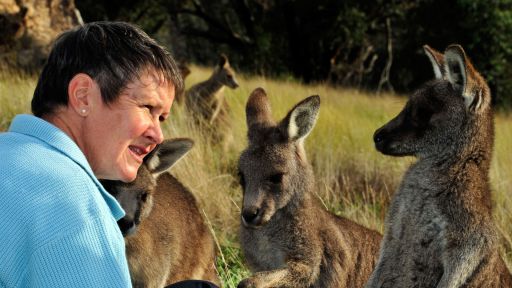
 Stella Reid feeding young Eastern grey kangaroos released from Wildhaven a year after the fires.
 The open clearings of the recovering forest canopy create ideal hunting conditions for the Australian masked owl.
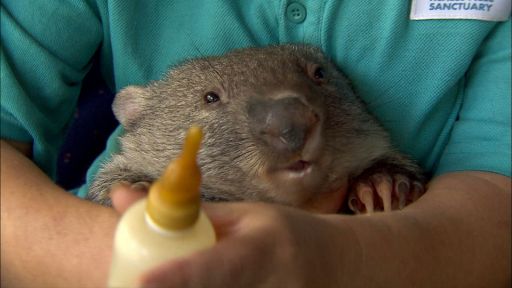
 A number of wombats survived the fires by burrowing underground. This one is about to be released in the forest after being nursed back to health at Wildhaven Wildlife Shelter.
 A lizard peers out from its hiding place in a tree burned by the fires.
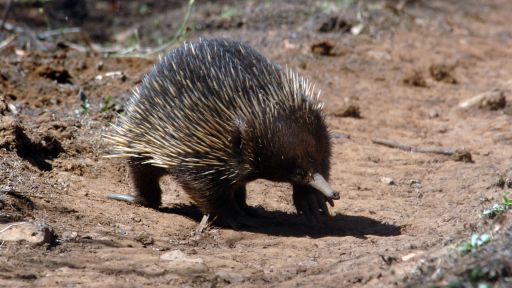
 An echidna forages on the forest floor.
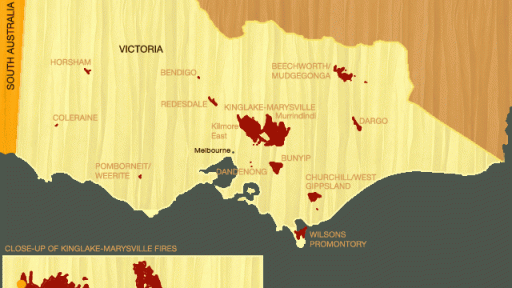
 Bush fires burned for three weeks. Five weeks after the fires, smoke still lingered over the trees.
 On February 7, 2009, the day of the Black Saturday fires, the summer heat in Melbourne reached over 115 degrees, the highest recorded temperature in an Australian capital city.
 Mountain ash trees, which dominate the forests of southeast Australia, are the tallest flowering plants in the world, with some reaching heights of over 300 feet.
Photo Credits: © D. Parer & E. Parer-Cook & © 2010 Screen Australia, December Films Pty Ltd, Film Victoria and ABC