
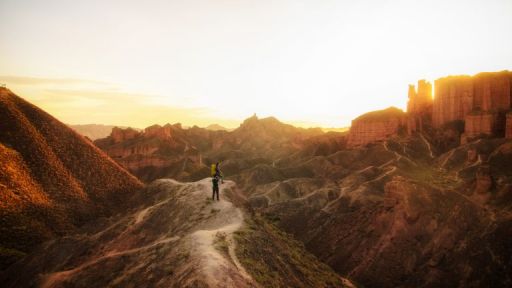
Trees are the original carbon-sequestration tech, and new research continues to open our eyes to their promise as allies in the effort to halt climate change.
Trees are the original carbon-sequestration tech, and new research continues to open our eyes to their promise as allies in the effort to halt climate change.

Founded in 1998, FrogWatch USA is one of the longest-running citizen science programs around, and, since amphibians are extremely sensitive to environmental changes, FrogWatchers’ observations have been especially valuable.

Learn how plants and animals depend on each other to survive. See first-hand how climate change can break those connections, altering the timing of weather and plant growth, and disrupting the delicate relationships between plants and pollinators such as moths, bees and butterflies.
WATCH PREVIEW
Concern about how climate change affects food security usually focuses on agriculture in resource-poor countries. But disruptions to weather patterns threaten food supplies for wildlife too.

Most songbirds head south for the winter, as food supplies disappear, returning to breed in the spring, when booming insect populations can satisfy clamoring broods. Not crossbills. This colorful finch, which inhabits coniferous forests around the world, breeds most anytime thanks to a highly specialized ...

Cool temperatures and moist soil are optimal for the most spectacular displays of fall color. However, with the earth's rising temperatures and more extreme weather events, autumn might not look or feel quite like it used to.
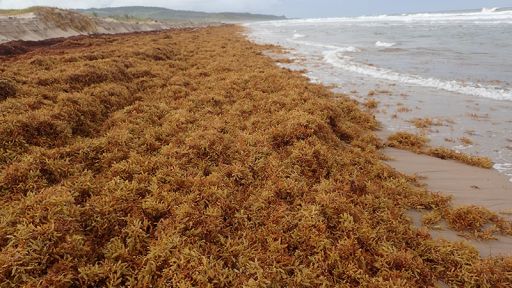
If you hit the beach recently in the Caribbean or Gulf of Mexico, you may have encountered piles of stinky seaweed. This is what's known as a sargassum bloom.