
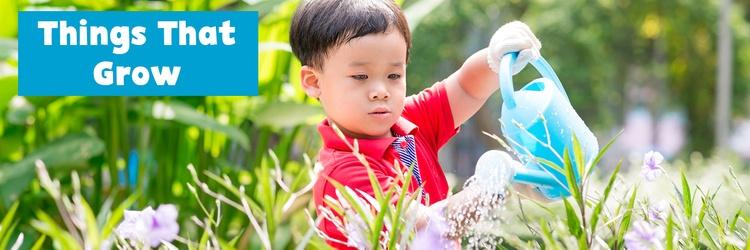
As children grow, so does their wonder about the world around them. Cultivate your child’s curiosity by exploring plants, trees, and flowers in your own neighborhood. As the weather gets warmer, take advantage of the fresh air with a walk to search for signs of plant life in nature. Observe how the trees in your neighborhood have changed from winter to spring. See if you can spot buds on tree branches or plants pushing up through the ground. Ask open-ended questions about what your child observes and encourage them to ask their own questions, too. When you get home, talk more about questions that might have popped up, create an indoor garden project together, or go green on your screens with a nature-inspired app.
Questions to Ask Your Child
- “April showers bring May flowers” is a common phrase — why do you think that is? If April showers means rain, what does that tell us about what living things like plants and flowers need to grow?
- How do plants “drink” water? What part of plants (like trees and flowers) helps them get the water and nutrients that they need? What else do plants need to survive and grow?
- What are different ways that plants are helpful to animals?
- Why do you think many plants wait until springtime to start growing?
- Why do plants need the sun?
- How can we tell that a tree is growing new leaves?
Play and Learn Together With Children 2 to 5
Young children love to explore living things like plants. Talk with your child about different plant parts that they know and what they are called (like tree trunks and flower petals). Ask them how they would describe characteristics of familiar plants (like color, size and shape). Are all plants the same? As you and your child explore the plant life around your home and in the community, you can also talk about what plants need to grow. Support this understanding by exploring seeds and plant growth while building observation skills with this hands-on garden activity and then track plant growth with the Nature Cat plant journal.
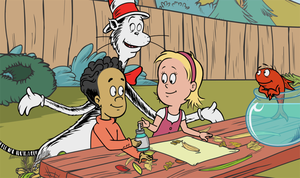
Create Leaf and Bark Art
30 min activityCheck out the trees in your neighborhood while creating beautiful, nature-inspired artworks.
Make a Miniature Garden
30 min activityLearn how seeds and plants grow, and build observation skills with this hands-on garden activity.
Meet the Trees
Help your child learn about trees and the animals that use them by exploring your backyard or neighborhood.
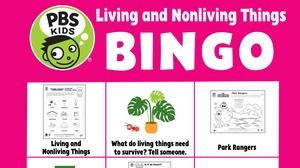
Learn Along Bingo for Ages 2-5: Living and Nonliving Things
Play and learn with this activity packet all about living and nonliving things.
Play and Learn Together With Children 6 to 8
Kids this age are deepening their understanding of the needs of plants and the plant life cycle. (For example, they recognize that new plants need many things to grow and survive including sunshine, water, and important nutrients in soil.) At this age, children also have an increasing appreciation for the diversity and variation in the plant world. They notice that there are different types of plants and that some plants can be helpful to animals (including humans) in different ways — even as food! Bring the great outdoors inside by making a DIY terrarium together or get your hands dirty by growing vegetable plant seedlings in an egg carton.
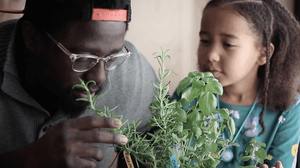
Grow an Herb Garden
Learn about the basics of botany and plant growth by growing an herb garden with your child.
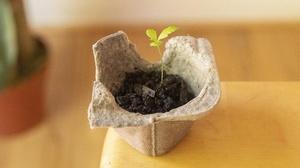
Grow Seedlings in an Egg Carton
30 min activityGrowing seedlings in an egg carton is a great way to teach your child about plants.
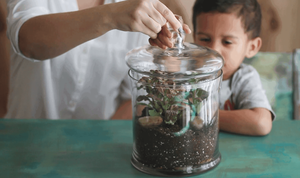
Plant a Terrarium
Bring the great outdoors inside by creating a self-sufficient terrarium in your home.
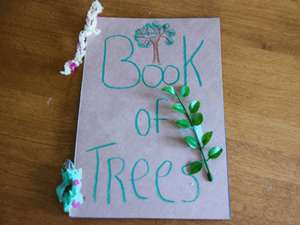
Make a Book of Trees
This hands-on activity will connect your child with the trees in her backyard and neighborhood.
Learn Along Bingo for Ages 6-8: Living and Nonliving Things
Play and learn with this activity packet all about living and nonliving things.
Play and Learn By Myself
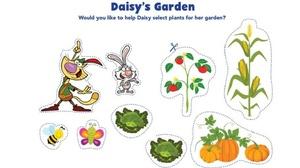
Daisy's Garden
Help Daisy select plants for her garden.
Veggiezilla!
Grow giant vegetables with Molly and Trini for the Alaska State Fair! Learn about how to keep the plants healthy, and watch out for hungry hares.
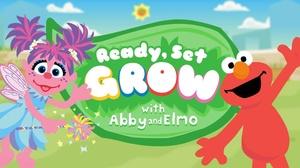
Ready Set Grow
Abby and Elmo are growing plants in the garden. In this game, your child can plant and water different flower and vegetable seeds and then observe the plants as they grow.
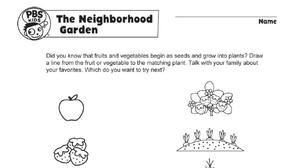
The Neighborhood Garden
Did you know that fruits and vegetables begin as seeds and grow into plants? Talk with your family about your favorites.
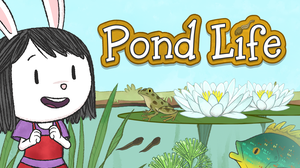
Elinor Pond Life
Is your child curious what lives under the surface of a pond? Elinor, Olive and Ari are too! They can create their own pond ecosystem and see what creatures and plants grow.
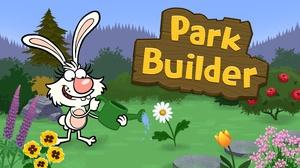
Park Builder
Your child can build a park to learn about planting seeds, what plants need to grow, and about the four seasons.
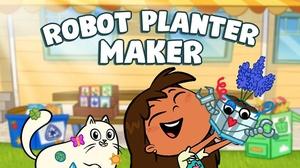
Robot Planter Maker
Join Rosie and Gatita to create robot garden planters!
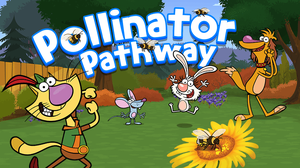
Pollinator Pathway
Join Nature Cat and help bees by collecting nectar, pollinating flowers, and growing your own garden.
Read More
Help Kids Be More Empathetic By Caring for Others
Empathy is a skill that children can develop through caring interactions with plants, animals and younger siblings. Try some of these ideas to help your child develop this important skill.
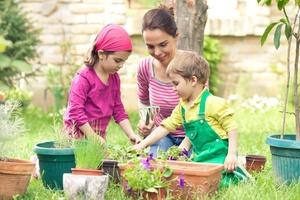
Gardening With Kids: How It Affects Your Child's Brain, Body and Soul
Planting a garden can affect not only your child's body but also their brain and soul.
7 Ways to Go Green at Home With "Cyberchase"
Spring is a great time to try hands-on activities that will help your child appreciate nature and learn to take better care of the planet. Here are some fun, “green” ideas, specifically designed for children ages 6 to 8 from "Cyberchase."