
At a 1900 world’s fair in Paris, W.E.B. Du Bois curated exhibits using photos, charts, and census data to showcase Black American progress since emancipation. His work directly challenged racist narratives, reframing Black life through visual storytelling. The exhibit won international praise and a gold medal.
Video Features
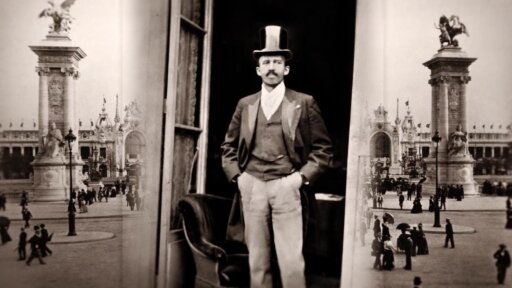
Du Bois used visualized data to confront racism at the 1900 Paris Exposition
At the 1900 Paris Expo, Du Bois used data to present a visually captivating case against racism.
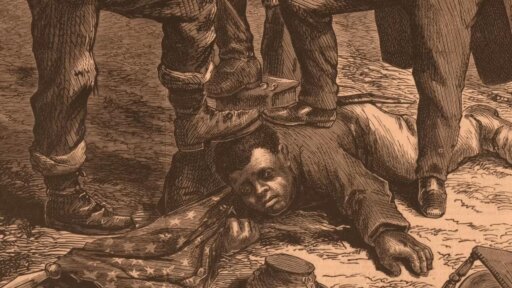
A brief history of Reconstruction
Reconstruction saw Black progress, then backlash erased gains after brief equality.
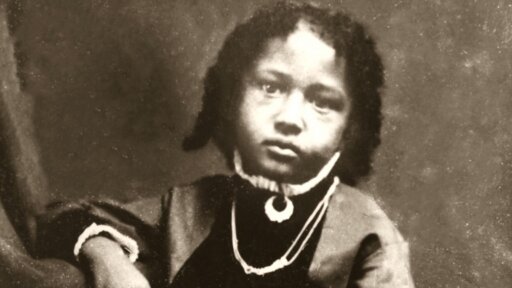
W.E.B. Du Bois' childhood, family and education
Born in 1868, W.E.B. Du Bois rose from hardship to academic excellence.
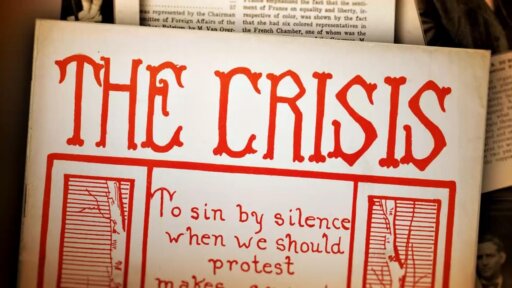
The formation of the NAACP and Du Bois’ magazine, “The Crisis”
How Du Bois used "The Crisis" and NAACP efforts to expose racism and celebrate Black achievement.
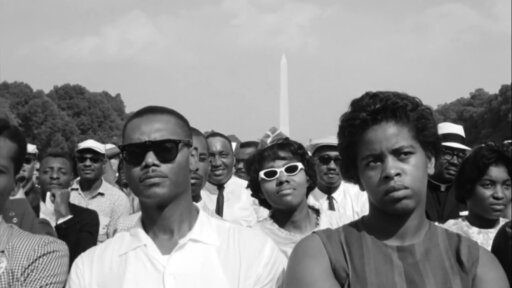
W.E.B. Du Bois passed away on the eve of the 1963 March on Washington
Du Bois’ death at the 1963 March on Washington marked a passing of the torch in civil rights.
Written Features
TRANSCRIPT
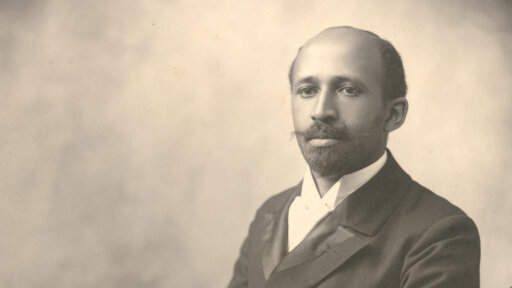
(bluesy retro music) (horse hooves thuds) - [Narrator 1] W.E.B.
Du Bois returned to Europe less than a decade after his retreat from Berlin to take part in the World's Fair.
(crowd chattering) - This was a time where different societies interact and see the best of the best of what folks were inventing, and creating, and producing.
- [Narrator 2] An extraordinary event that took place over six months that drew nearly 50 million people.
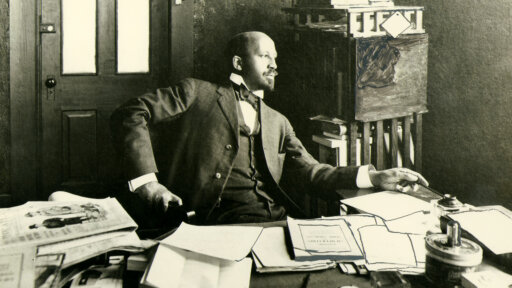
- Du Bois curates and assembles these albums of Black American life.
This beautiful exhibition of African American progress from the Emancipation Proclamation, until that moment in 1900, it was a counter narrative and a disruption of how African Americans were portrayed in the media at that time.
- Then it also directly upsets, throws on its head all of this photographic evidence that eugenics White supremacists were using to prove African American and Blacks innate inferiority.
- [Narrator 3] Du Bois understood very clearly how important it was for Black people to have control of the narratives that were being written about us at that time.
(bluesy retro music) - [Narrator 4] He takes publicly available census data and creates these beautiful visual displays of charts and graphs showing Black land ownership from 1865 to 1900; Black population statistics, black educational attainment.
He understood the power of aesthetics.
- "It was an immediate success.
"The American press, White and Colored, "was full of commendation.
"And in the end, the exhibit received a grand prize, "and I as its author a gold medal."
You May Also Like

John Muir in the New World
Explore the life and legacy of America's first environmentalist and Sierra Club's founder

PBS Previews | James Beard: America's First Foodie
Today’s American food movement can be traced back to one man: James Beard.

A Fierce Green Fire - Trailer
Witness the battle for a living planet in this exploration of the environmental movement.
Jacques Pépin: The Art of Craft
Today he is known as a kitchen supernova, but Jacques Pépin's career began humbly.

Althea - Preview
The story of Althea Gibson, queen of the highly segregated tennis world in the 1950s.

Billie Jean King
Women's Sports Foundation
Ilana Kloss and Valerie Jarrett discuss Billie Jean King's Women's Sports Foundation.