
From 1866-1877, Reconstruction marked a brief era of interracial democracy, with Black Americans holding office and expanding education and public policy. Supported by efforts like the Freedmen’s Bureau, these gains were met with white backlash, leading to a rollback of rights. This was a lost opportunity that W.E.B. Du Bois viewed as pivotal.
Video Features
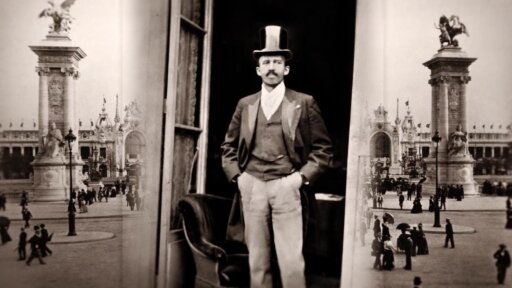
Du Bois used visualized data to confront racism at the 1900 Paris Exposition
At the 1900 Paris Expo, Du Bois used data to present a visually captivating case against racism.
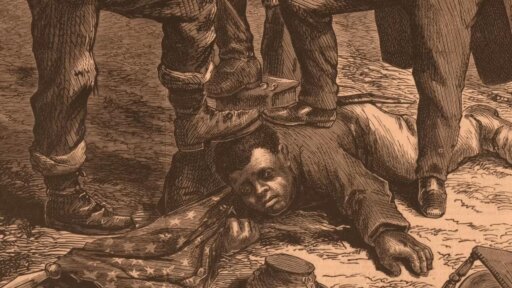
A brief history of Reconstruction
Reconstruction saw Black progress, then backlash erased gains after brief equality.
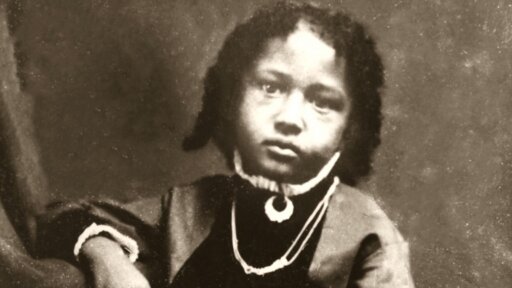
W.E.B. Du Bois' childhood, family and education
Born in 1868, W.E.B. Du Bois rose from hardship to academic excellence.
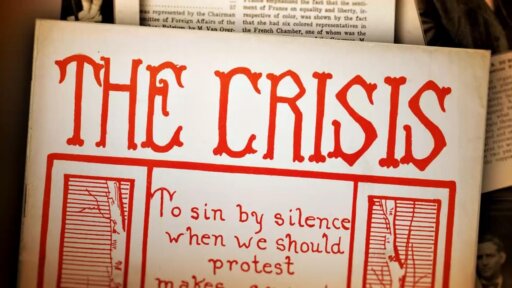
The formation of the NAACP and Du Bois’ magazine, “The Crisis”
How Du Bois used "The Crisis" and NAACP efforts to expose racism and celebrate Black achievement.
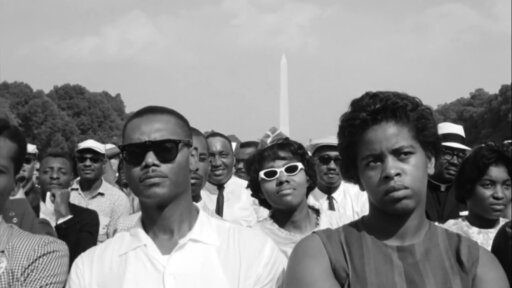
W.E.B. Du Bois passed away on the eve of the 1963 March on Washington
Du Bois’ death at the 1963 March on Washington marked a passing of the torch in civil rights.
Written Features
TRANSCRIPT
- Historians were writing histories of reconstruction, completely devoid from historical fact that if you gave equal rights to black and white Americans, there would be a complete social disaster.
That black people just don't have the capacity to take part intelligently in political activity and voting and holding office.
This was the public view of Reconstruction at that point.
- [Narrator] 1866 to 1877 saw America's first experiments with truly interracial democracy.
- Black people took that citizenship and all the rights and duties that came along with that and got active in every single way.
We had over 2000 African American politicians, elected, appointed officials.
- We see progressive taxation coming from black legislatures.
There was no real public education system in the south, but black people wanted education for their children, and in doing so, they're also providing education for white children as well.
- [Narrator] A widespread system of Negro public schools, day and night schools, industrial schools, Sunday schools, and colleges founded or substantially aided in their earliest days by the Freedmen's Bureau.
- [Narrator 2] The more you found African Americans exercising their new rights, the more there was a white backlash.
- Reconstruction falls and Southern states resume their rights, their state's rights, and we know what came next from that.
Du Bois just couldn't get over it because what if they had carried through all of those reparative actions then, where would the country be?
How far along would we be?
- The slave went free, stood a brief moment in the sun, then moved back again toward slavery.
You May Also Like
Marcella
Discover how celebrated cookbook writer Marcella Hazan shaped Italian cuisine in America.

John Muir in the New World
Explore the life and legacy of America's first environmentalist and Sierra Club's founder

A Fierce Green Fire - Trailer
Witness the battle for a living planet in this exploration of the environmental movement.

Jacques Pépin: The Art of Craft
Today he is known as a kitchen supernova, but Jacques Pépin's career began humbly.

Moynihan
Discover the life and legacy of former U.S. Senator and diplomat Daniel Patrick Moynihan.

Inspiring Woman Web Series: Trailer
Six innovators explain how they’re changing their respective industries.