
Earlier this year, four juvenile spider monkeys smuggled into the US in lunch boxes arrived at a Mississippi zoo, where they can finally begin to recover. Their rescue made headlines, helping draw attention to the darker reality, which often involves baby monkeys snatched from the wild, their mothers killed in the process.
But just how big and brutal is the illegal primate trade? And what can be done about it? Both answers might surprise you.
Today, with a few taps on a phone, Americans can buy a baby monkey on social media—no permits checked, no questions asked. Over a period of just six weeks, researchers identified more than 1,600 primates openly offered for sale online in the US.
Why the four-alarm fire? Because behind the curated photos and soft language—“adoption,” “rehoming,” “loving home needed”—sits a supply chain built on extraction, deception, and violence. Many of these animals are born in the wild. Capturing an infant often involves killing the mother and sometimes entire family groups. The youngest animals command the highest prices because they appear easier to handle and domesticate, and because many people perceive them as surrogates for human babies.
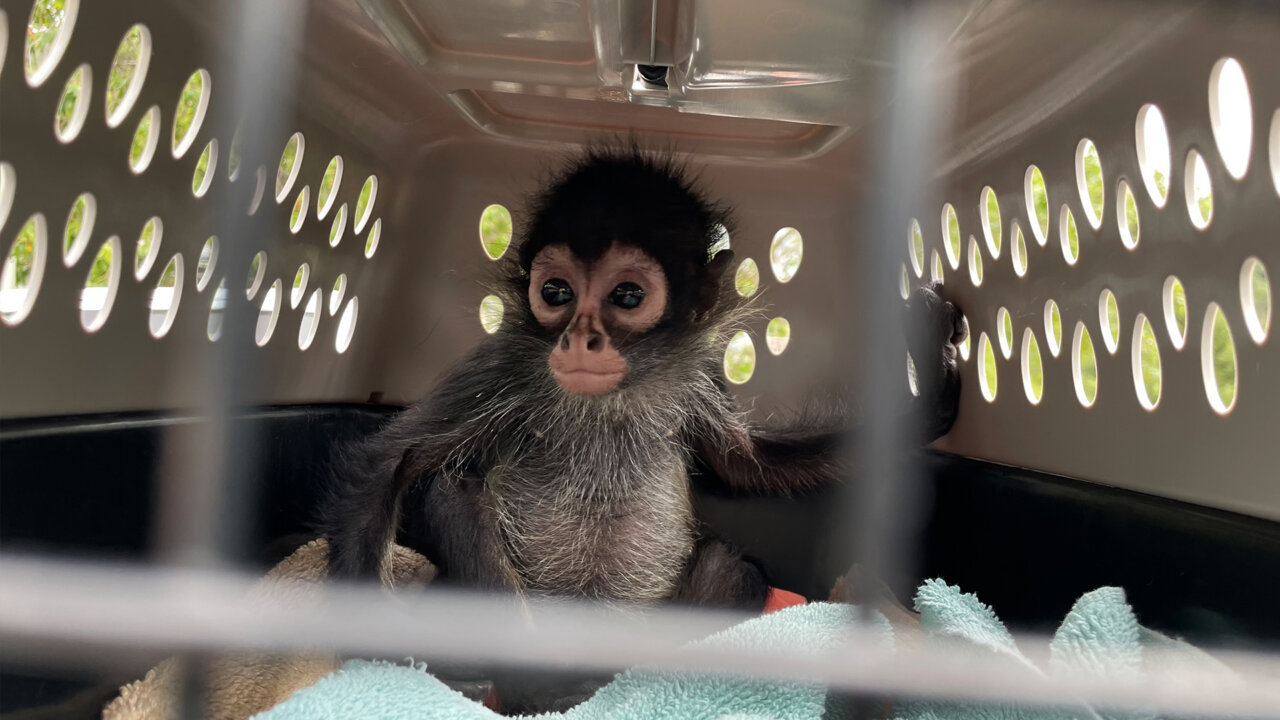
© California Department of Fish and Wildlife
That demand strips future generations from already declining wildlife populations. It also weakens the forests these animals help sustain, as primates play a critical role in spreading seeds, maintaining healthy ecosystems and supporting the web of life around them.
The illegal primate trade doesn’t operate in isolation; it feeds and is fed by broader, sinister criminal networks. In addition to fueling more poaching, wildlife trafficking moves through the same channels used for other illicit goods, including established smuggling routes between Latin America and the US. It generates tens of billions of dollars annually and frequently intersects with drug trafficking networks. Yet enforcement efforts have not kept pace with the growing scale or sophistication of these operations.
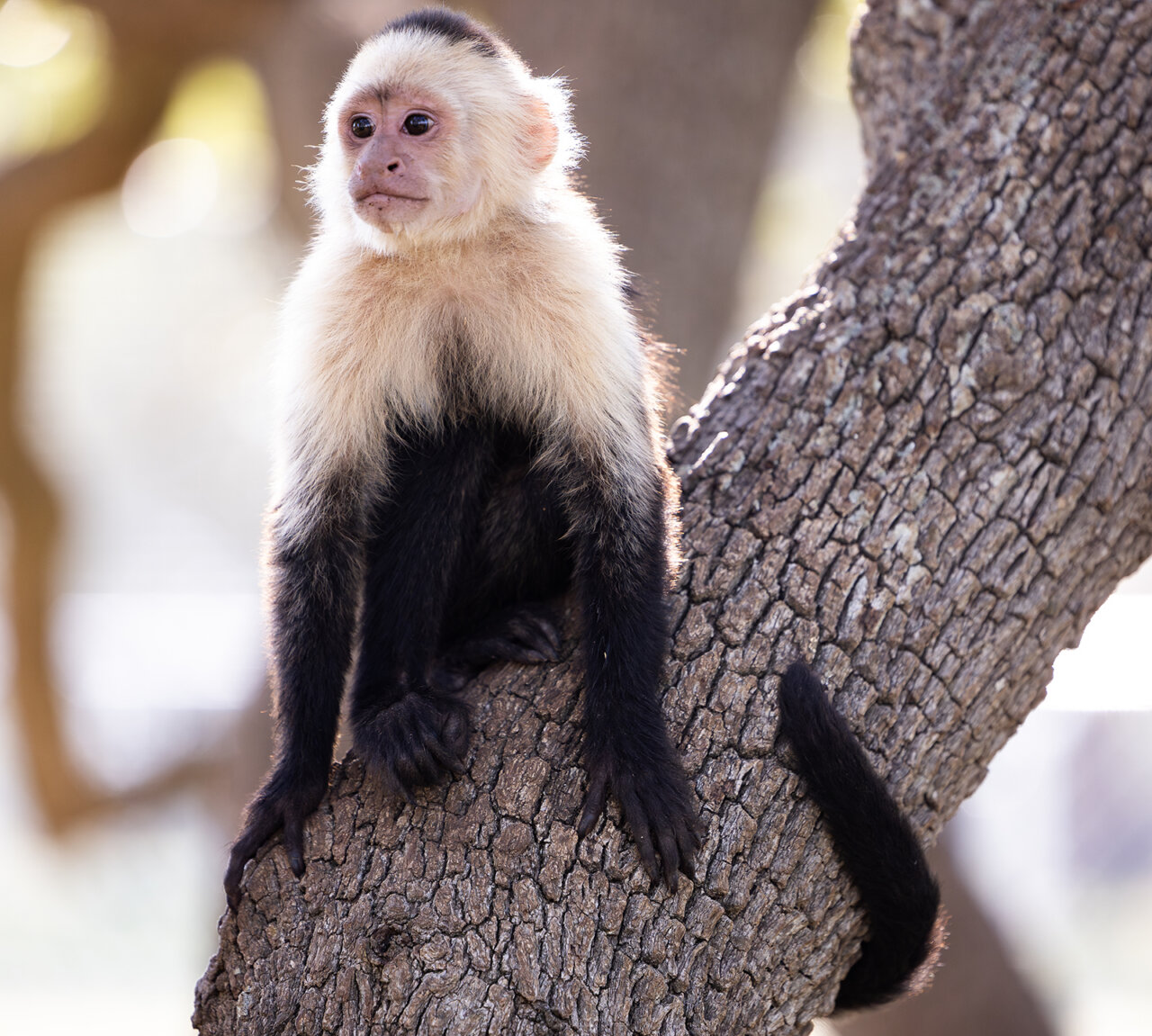
© Wildlife Rescue and Rehabilitation/Jay Kazen
At the same time, the market runs on misdirection. Social media platforms are saturated with videos that present primates as manageable companions—dressed, diapered, bottle-fed and posed like human children. Buyers are told animals are captive-bred or rescued. Documentation, when it appears, is rarely verified.
Once a public post draws interest, the conversation quickly shifts to private messages, and exchanges happen in informal settings like parking lots and hotel rooms rather than pet stores and other regulated facilities. By the time a buyer understands the reality of the animal’s needs or its origins, the deal is done.
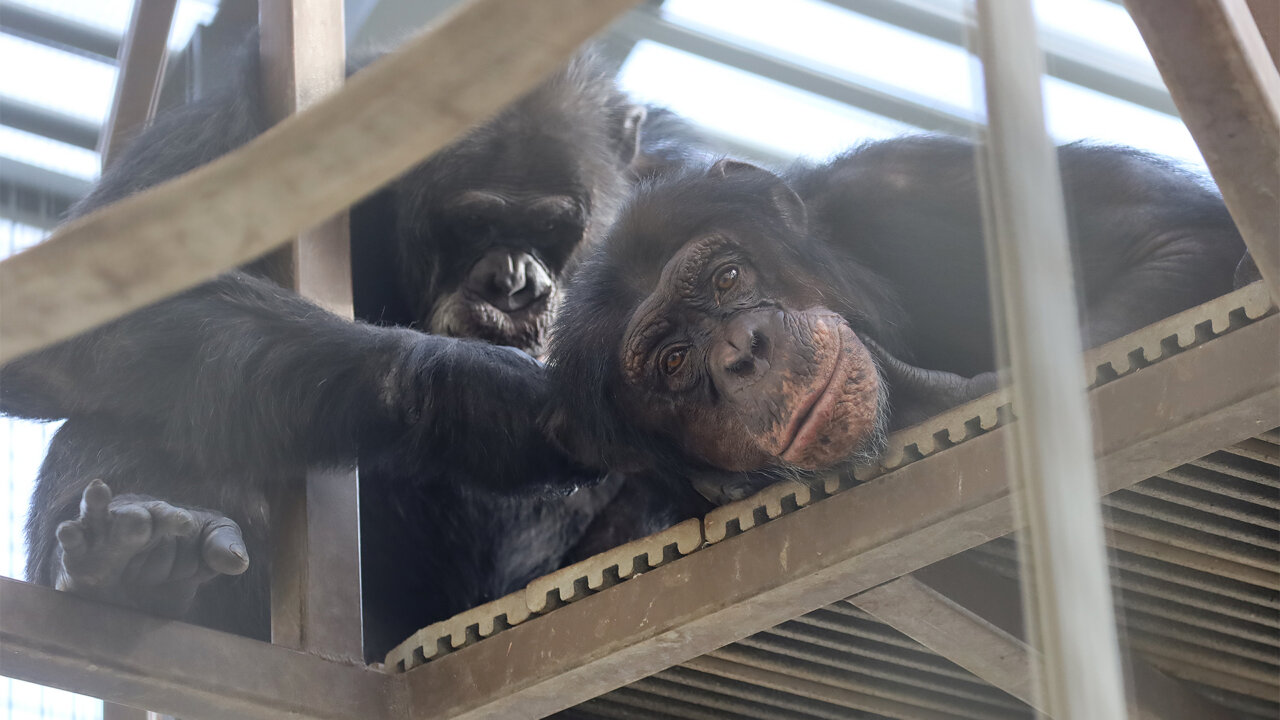
© Chimpanzee Sanctuary Northwest
The risks do not end with the sale. Close contact between humans and primates can expose people to rabies, Ebola, HIV, monkey pox, and other deadly diseases. In Florida, for example, hundreds of nonnative rhesus macaques now live and breed in the wild, and many carry herpes B virus, raising ongoing public health concerns.
Reducing demand for illegally traded primates is crucial. Many buyers never see the violence, deception, or criminal networks behind a single post. That lack of awareness sustains the market. Social media helped create the illusion that primates belong in homes. It can also help dismantle that illusion. Platform users can both refrain from liking, sharing, and promoting content of primates as pets, and help report videos of primates for sale online.
Every online listing represents a chain of harm set in motion by people looking to make a fast buck off of untold suffering. So just remember: behind the “cute” baby monkey that appears in your feed is an underlying criminal trade that depends on people looking the other way. Don’t look away, report it. For more information about what to consider before obtaining an exotic pet, check out WWF’s Responsible Pet Guide.