
This piece comes to us from the Wildlife Conservation Society (WCS). To honor Asian American and Pacific Islander (AAPI) Heritage Month, WCS and Nature are sharing stories of nature and conservation.
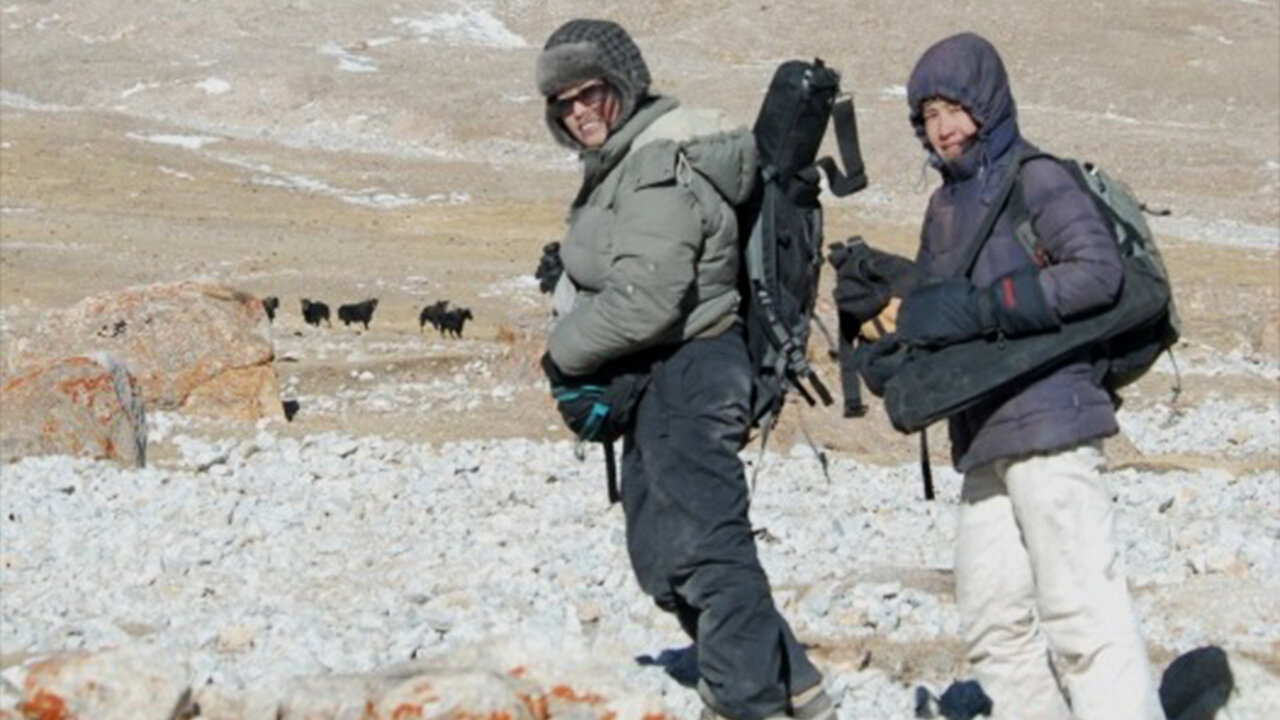
Lishu (left) as field research assistance in a winter survey of wild yak in Kekexili Nature Researve, Qinghai, China, 2012. Photo credit: Joel Berger ©️WCS.
There was always a turtle on my grandmother’s kitchen floor: a small Chinese pond turtle, I now realize, moving slowly across the wet tiles, waiting for the fish guts and vegetable scraps that fell while she cooked. I never thought to ask whether she was pet or pantry. In the Cantonese city in southern China where I grew up, the line between the two was not a line my family drew.
In our home, wildlife was a language of love. When I was small and sickly — bad skin, underweight — my mother and grandmother stewed turtles into medicinal soup for me. Everyone agreed that the strength I grew into came from those bowls. Every autumn we chose a snake restaurant for the family’s seasonal feast, and my mother dressed me carefully for it.
When relatives in the countryside sent “wild treats,” grandparents on both sides called the whole extended family together. Wild animals were nourishment, but also represented warmth and belonging.
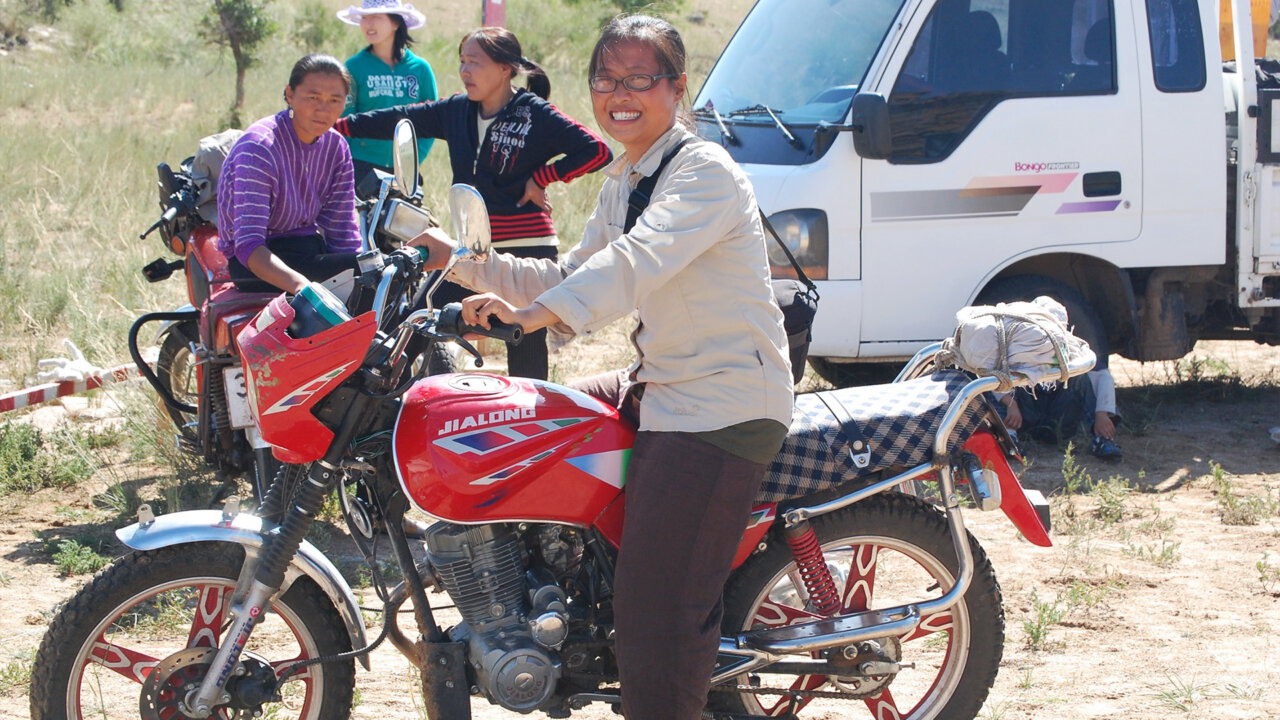
Lishu working on ibex behaviour ecology for a graduate project in Ikh Nart, Mongolia, 2009. Photo courtesy Lishu Li.
In the early 1990s, my hometown and the rest of the Pearl River Delta experienced a land speculation boom. People talked about little besides getting rich. Our family tradition of consuming wildlife inflated almost overnight. Business banquets competed over rarer and stranger species; status accrued by what you put on the table.
I was a child who roamed the small hills on the edge of the city, hunting the first fiddleheads of spring and turning over rocks for stream fish. I read Jane Goodall comics and dreamed of fieldwork. But I also saw the owl in a kitchen cage with its round, alive eyes, and the pangolin waiting in the restaurant.
Something felt wrong, but I had no words for it. Then, in middle school, I read a long article describing how black bears were farmed for their bile, and how a free animal could be reduced to a body in a cage. I cried in the school reading room. Something had connected. That is where my conservation life truly began.
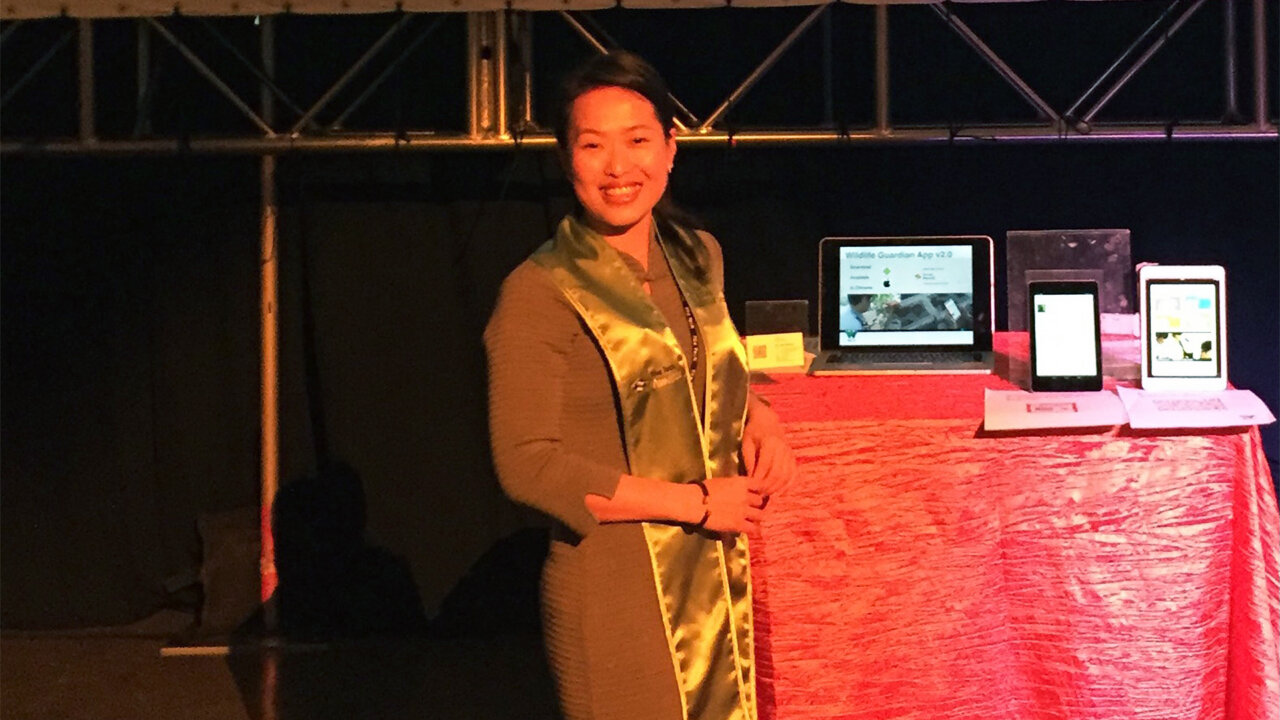
Representing WCS China CWT team receiving the Tech Award for the Wildlife Guardian app to support rapid species identification of seized wildlife for frontline law enforcers. Photo credit: ©️WCS
I now work to counter wildlife trafficking, or CWT. The most important thing my own history taught me is that wildlife trafficking is never a two-sided story of the trade versus its opponents. It persists due to a legal, commercial, and cultural enabling environment that makes the choices that lead to trade easier for everyone along the supply chain.
That is why the work is cross-sector by necessity. I help enforcement with species identification and intelligence; support governments in closing regulatory gaps; use behavioral science to reduce consumer demand; and build coalitions across disciplines that rarely speak to each other.
China today is unrecognizable from the country I grew up in. Eating wild meat now carries shame and there is real public consensus around protection. But trafficking has not vanished; it has changed shape.
Endangered species hide inside neatly packaged traditional medicines. Exotic pets are sold online as lifestyle accessories or children’s companions. Tourist souvenirs disguise their origins inside a guide’s colorful “local story.” It is harder to even notice you are consuming wildlife.
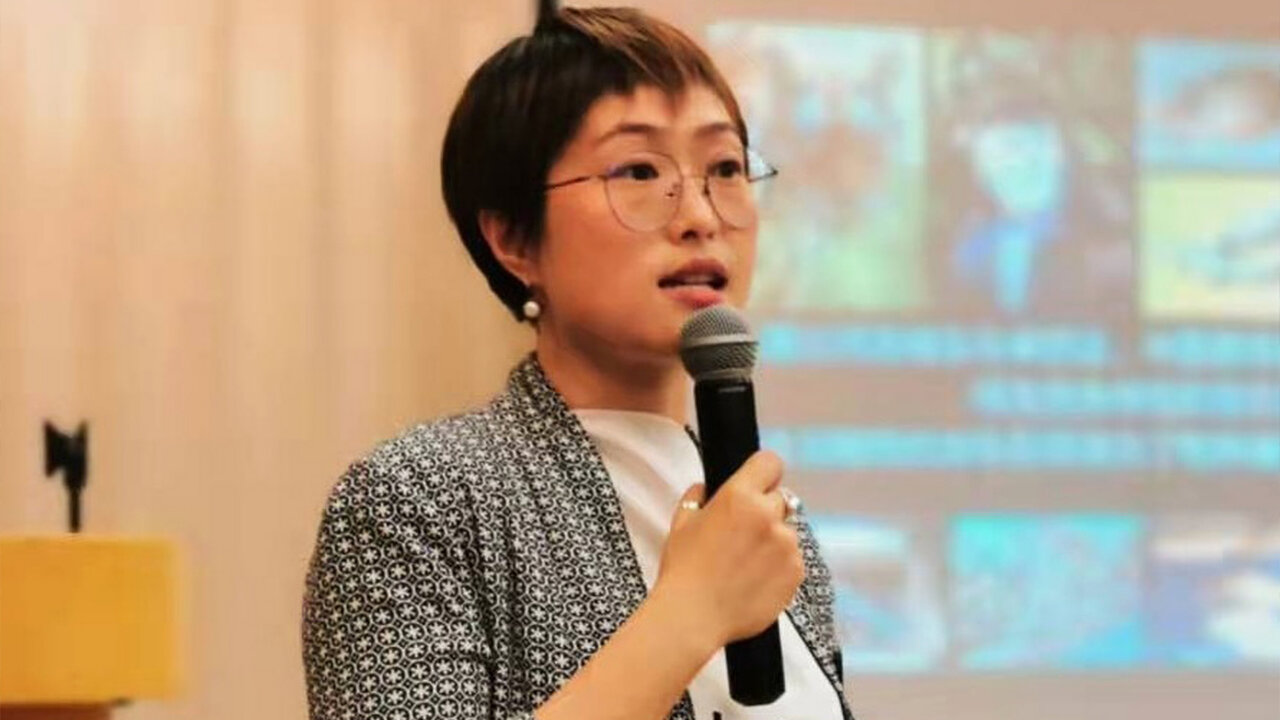
Teaching in a training for CITES enforcement officers in China, 2019. Photo credit: ©️WCS China.
I believe CWT needs a new chapter. The issue has changed shape, become decentralized and diffuse, and our methods should change with it. For decades, conservation has often pursued linear, centralized forms of impact, e.g. a big enforcement operation, or one major policy win..
That logic fits a world where the harm is more concentrated and visible. It fits less well now, when trafficking is dispersed into countless small, often legal-looking transactions across product categories, platforms, and cultural framings.
I have come to believe the next chapter belongs to subtler campaigns encouraging people who would act if they knew their action mattered and they were not alone: a public health researcher questioning the medicalization of endangered species; an e-commerce designer redesigning a product page.
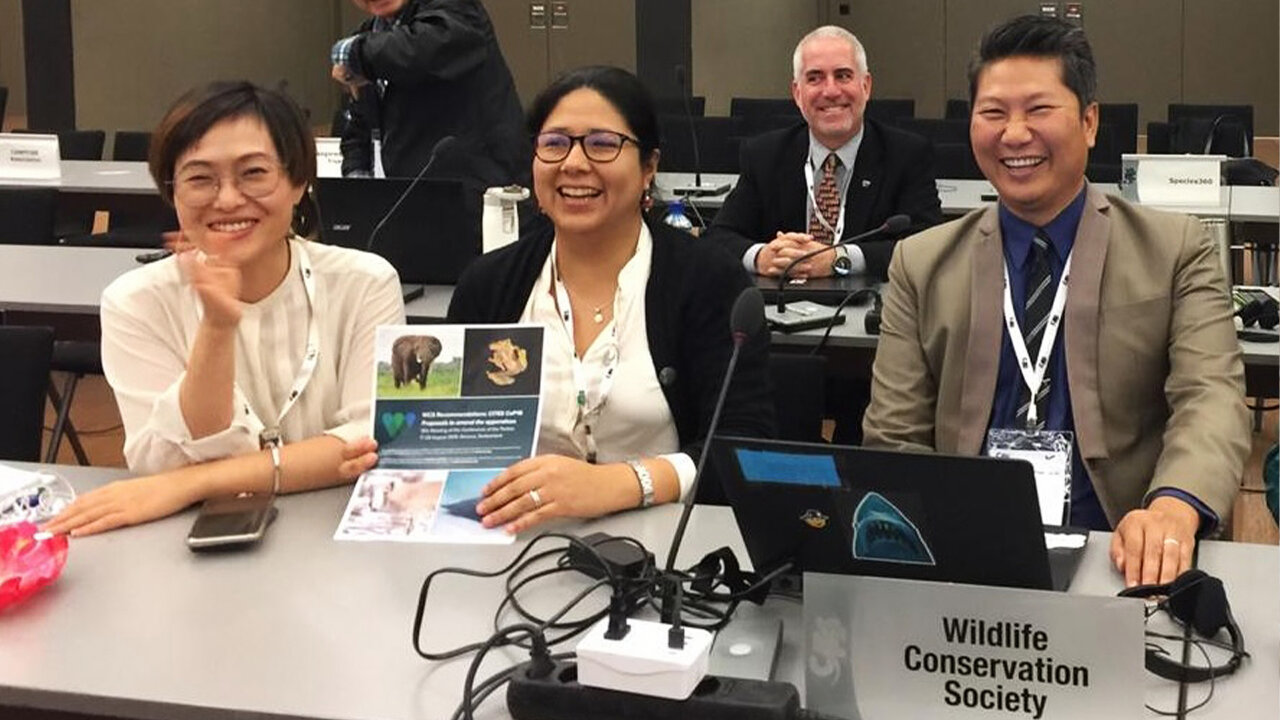
Lishu (far left) with WCS colleagues in CITES CoP18 after a long day of meetings, 2019. Photo credit: ©️WCS.
Individual actions by behavioral scientists, customs trainers, writers, and schoolteachers can together reshape the environment that trafficking depends on. The work is not to create new actors. It is to help those who once thought they were alone discover that they belong to a group that until now had no name.
The turtle on my grandmother’s kitchen floor today reminds me not of wrongs committed, but of perspectives that have broadened and must continue to shift. Some of that shifting will come from outside pressure, but I am most interested in the kind that happens from within, as people who have long sensed something was off stop waiting for permission to act.
That is where I want to stand as a conservationist. Not to author the change, but to be part of the connective tissue that lets it find itself, to coax quiet stirrings into first steps, to offer the next handhold, and then to step out of the way.