
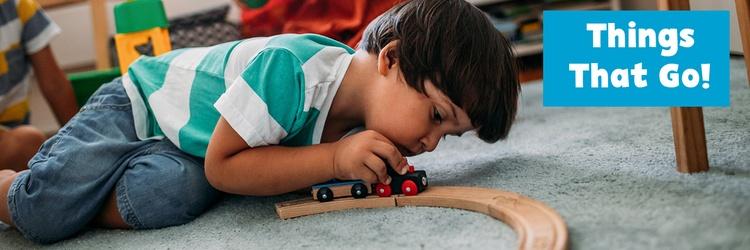
Planes, trains, cars, trucks, and spaceships capture our imagination — helping us think about neighborhoods, communities, states, countries, and worlds beyond our own. When a child picks up a transportation toy, they have the opportunity to pretend they are anywhere they want to be. And this on-the-go play is perfect for helping children think like a scientist — discovering physical science concepts like motion and forces, gravity, and friction.
Learn at Home With PBS KIDS
To watch PBS KIDS shows on exploring transportation, download the PBS KIDS Video app. Looking for more activities? You can always create your own activity plan using the PBS KIDS for Parents Activity Finder and search by age and topic!
Questions to Ask Your Child
- Ask your child to use art supplies to draw or build a place they would like to visit. How could we get there? Train? Boat? Spaceship? What would we see there that is different from where we live? What would be the same?
- When playing with a toy car or train, ask your child to notice what surfaces make the toy go faster or slower. Will the car move faster on a flat, smooth surface like the coffee table or a bumpy, rough surface like the sidewalk? What happens if we try to roll the car on carpet or a towel?
- When making paper airlines, ask your child to predict what makes a plane fly better or worse: will bigger or smaller, wider or thinner planes fly best? Then, build and test!
Play and Learn Together With Children 2 to 5
With younger children, try using a love of transportation to encourage them to think about how things move and practice direction words like forward, backward, right, and left. Or other directional and spatial words like over, under, and through. Turn chairs into a DIY trolley just like we see in Daniel Tiger’s Neighborhood and have your child narrate where the trolley goes, what they see, and who they meet. Have a toy car or two lying around? Use vehicle playtime to brush up on number recognition or introduce basic science concepts.
Learn Along Bingo for Ages 2-5: Things That Go
Play and learn with this activity packet all about things that go!
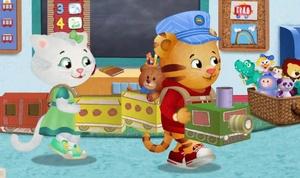
Turn Chairs Into a Pretend Trolley
This pretend play activity can help your child with the idea of going away and coming back.
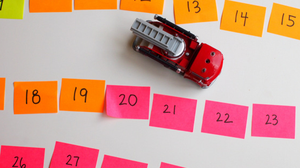
Fire Truck Number Hunt
Let your child take the driver’s seat practicing number recognition in this simple math game, Fire Truck Number Hunt.
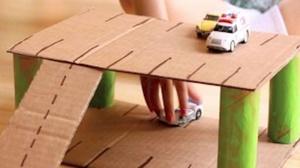
Cardboard Parking Garage
Turn an old cardboard box into a parking garage play place.
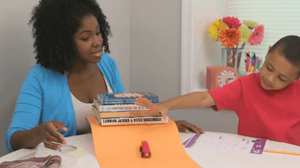
Friction Racing
Your child can build a ramp and then use a toy car to test which of two surfaces has the least amount of friction.
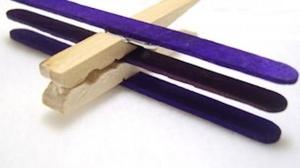
Make Quick and Easy Toy Planes
This quick and easy airplane craft is perfect for indoor, outdoor and on-the-go play.
Play and Learn Together With Children 6 to 8
With older children, use marbles or toy cars to create a roller coaster and explore the concepts of gravity and friction. This activity helps children understand how pushes and pulls can cause objects to move. Create your own tunnels and roads playset to think about how transportation helps move people and things from place to place. Encourage your child to continue thinking like a scientist by testing out different versions of paper airplanes.
Learn Along Bingo for Ages 6-8: Things That Go
Play and learn with this activity packet all about things that go!
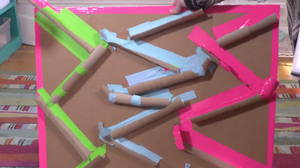
Explore Gravity and Friction With Marble Runs
Create different tracks for a marble as you and your child experiment with the forces of friction and gravity!
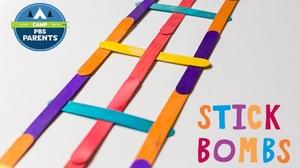
Stick Bombs: Experimenting with Kinetic Energy
These stick bombs are powered by tension and will fly up in the air!
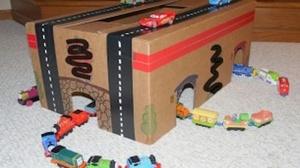
Tunnels, Roads and Cardboard Caves Playset
Turn a cardboard box into a playset full of train tunnels, roads and caves.

Make Straw Paper Airplanes
Make a paper airplane that flies so well that the whole family will be trying to come up with the ultimate flier.
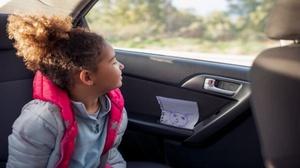
Road Trip Math Games
Road trips are filled with lots of interesting things to spot. Use these counting games to help your child keep track!
Play and Learn By Myself
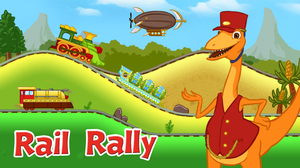
Rail Rally
Your child can learn about motion, forces, and sources of energy as she directs a train to the finish line in this Dinosaur Train game.
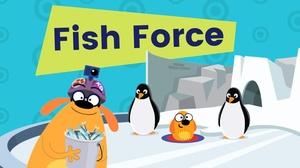
Fish Force
Ruff Ruffman's plushie has gotten stuck in the middle of an ice pond. Using knowledge of force, friction, and angles, your child can help Ruff push the plushie across the ice and back to safety.
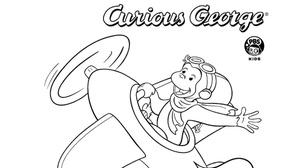
Airplane Coloring Page
Print and color this Curious George coloring page!
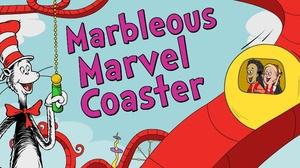
Marbleous Marvel Coaster
Play with a marvelous marble roller coaster! Your child can manipulate pieces of a marble roller coaster or design her own in this engineering game.
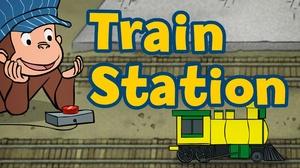
Train Station
Curious George is playing with his train sets. Using counting and measurement skills, your child can help George make the trains the same length by adding on the right amount of train cars in this game.
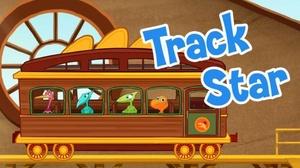
Track Stars
Use geometric shapes to build train cars, decorate your train, add passengers, and watch it drive down the track!
Read More
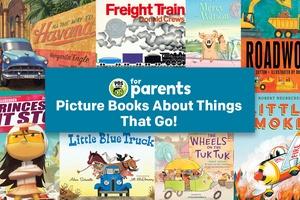
12 Picture Books About Things That Go!
There’s something captivating about transportation and vehicles. There are hundreds of children's books about things that go, but here are some favorites that you won’t want to miss.
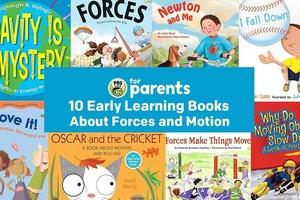
10 Early Learning Books About Forces and Motion
This booklist for ages 4-8 includes both fiction and non-fiction books that focus on the physical science concepts of motion and forces such as pushes and pulls, gravity, and friction.
Learn a Lot About Science: Simple Activities for Kids
Children don't need fancy lab equipment to explore science — they just need the curiosity of The Cat and his friends... and perhaps a little guidance from a trusted adult.