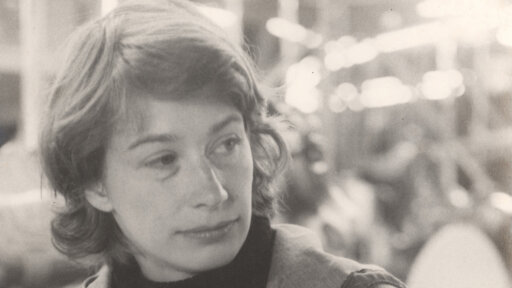
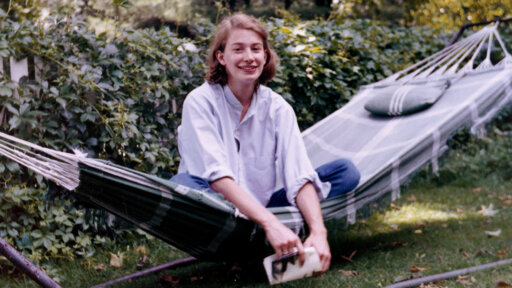
For Mary Oliver, transcendentalism was less of a literary movement and more of a spiritual reprieve: a practice of discovering a secular kind of God in nature and recognizing it as the binding agent of the universe. She began to carve out her place in a litany with Ralph Waldo Emerson, Henry David Thoreau, and Walt Whitman when she was still an anonymous girl in Ohio, eventually cementing her place among the giants of transcendentalism.
“Two things I loved from a very early age were the natural world and dead poets,” Oliver said. “I read Whitman, Whitman, and Whitman.”
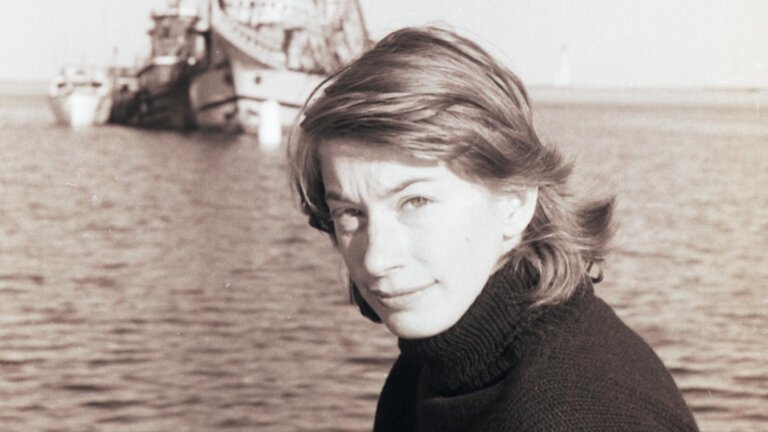
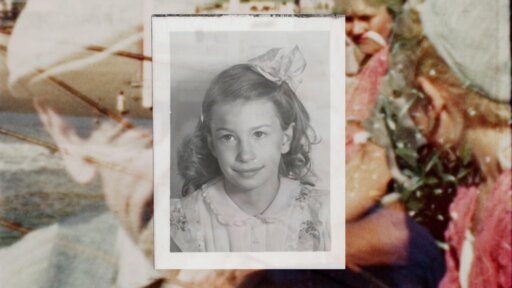
In her 2019 book Upstream: Selected Essays, she includes a piece entitled My Friend Walt Whitman. In it, she reflects on a difficult and lonely childhood, where many days she would set off toward school with a bag full of books and turn instead to the woods. There, she would spend the day with poems written by “a few friends who kept me sane, alert, and loyal to my own best and wildest inclinations.”
It was the unexpected companionship of the natural world and the dead poets who taught her to pay attention to it that gave her the strength to extract herself from the circumstances of her childhood.
At seventeen, armed with a high school diploma despite the truancy of her days in the woods, she left Ohio and moved resolutely forward. She was holding fast to a dream of a career in poetry, but this was 1950s America: there were few examples of women with a life moored by public writing. One of them was the late Edna St. Vincent Millay.
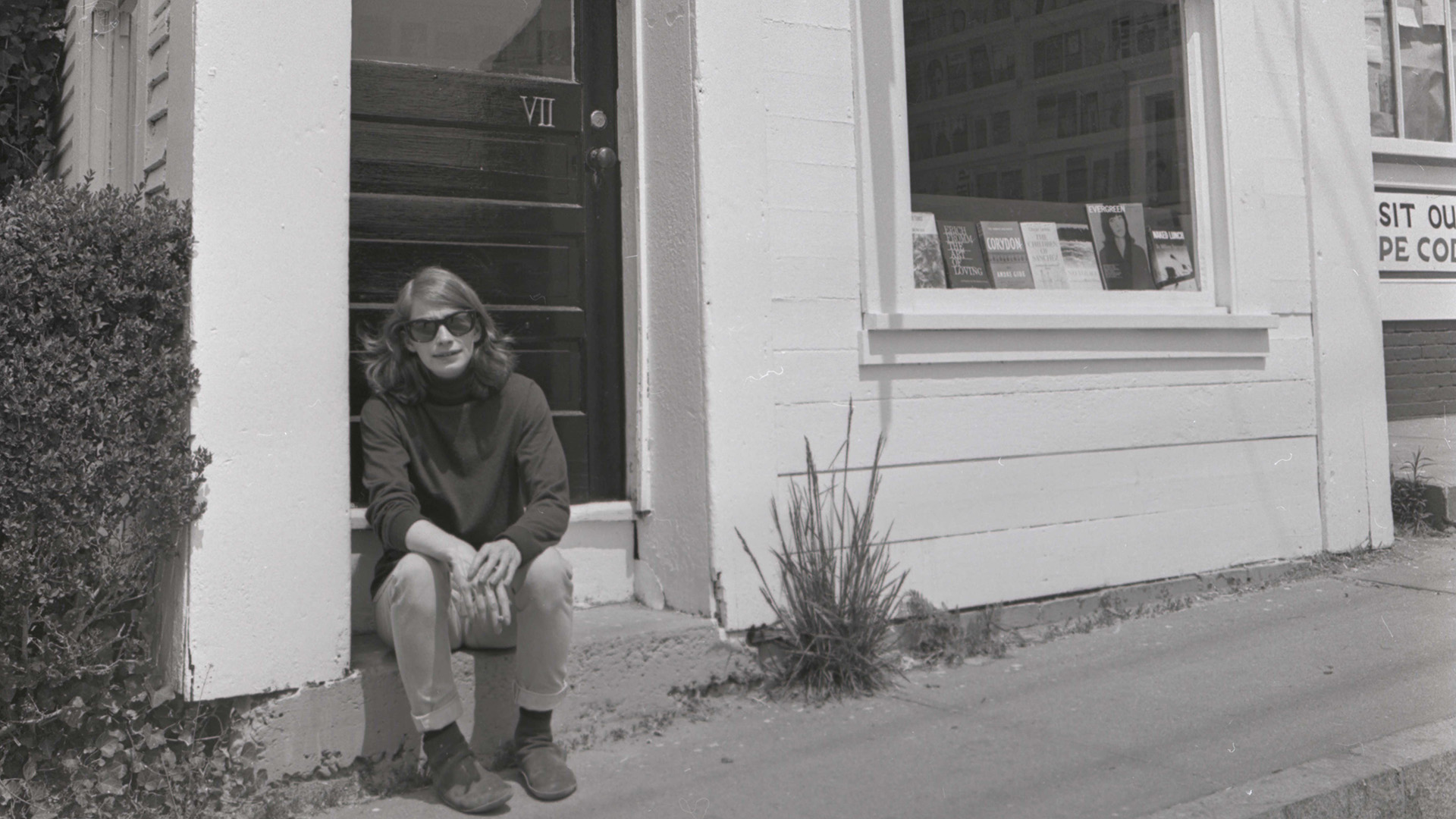
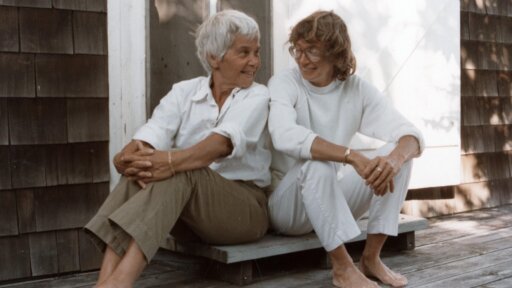
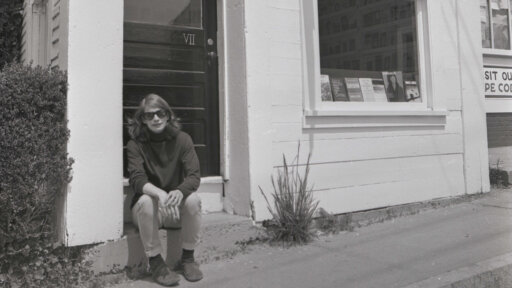
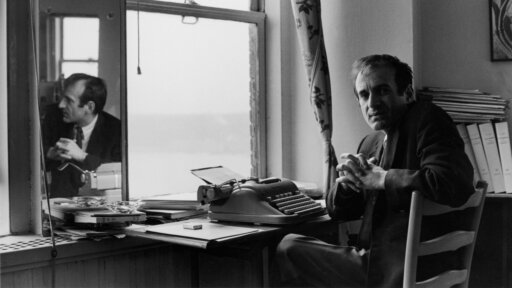
Oliver wrote to Millay’s surviving sister, Norma, and asked to come visit. She stayed with Norma and her husband on and off for the next six years, helping to organize Edna’s papers and estate. It was there that she met Molly Malone Cook, a photographer for the Village Voice. The two fell in love, and they built a life together in Provincetown, Massachusetts, at the tip of Cape Cod.
For all of the voices who shaped Oliver’s own—Ralph Waldo Emerson, Walt Whitman, John Keats, Edna St. Vincent Millay—her primary source was always the contours of the world around her. The beauty of Cape Cod cracked something open in Oliver, in love and impoverished at the edge of the Atlantic.
It was the perfect setting to build her defining body of work, and intentionally or not, to bring transcendentalism solidly into the twentieth century. The broad philosophical and literary tradition is known for its aesthetic as much as its substance. That is, the solitary aesthetic of Walden Pond: a man alone with his thoughts and the natural world around him. Oliver was ready to take up her post on the coastlines of the Cape, a poet there to pay attention.
Despite the isolation of transcendentalism’s aesthetic, its substance is inherently about connection. It is first by noticing the world that you become attached to it and its inhabitants, that you learn to love it. As Oliver puts it, “attention is the beginning of devotion.”
For her, it was always a devotion to and for the world: Oliver sheds the academic insularity of her transcendentalist predecessors, and that is perhaps her most important contribution to the canon.
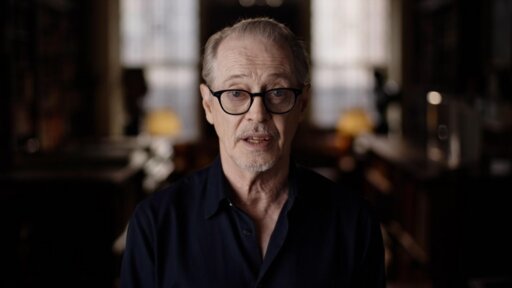
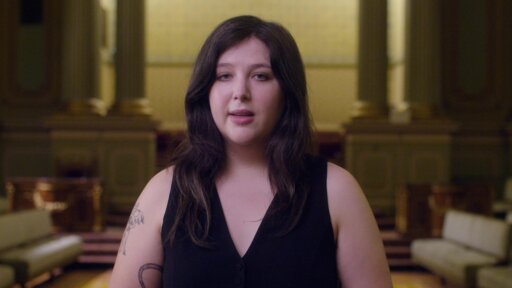
By locating the divine squarely in the ordinary, she elicits a feeling we all know and struggle to name. In Mary Oliver: Saved by the Beauty of the World, the author and MacArthur fellow Jason Reynolds tries to articulate that feeling, which Oliver so often brings to the surface in her readers (the vast majority of whom are not poets or philosophers; they need only be human to understand it).
“Whatever intangible, inexplicable energy is that makes us go, you can feel that,” Reynolds says. “That’s power.”
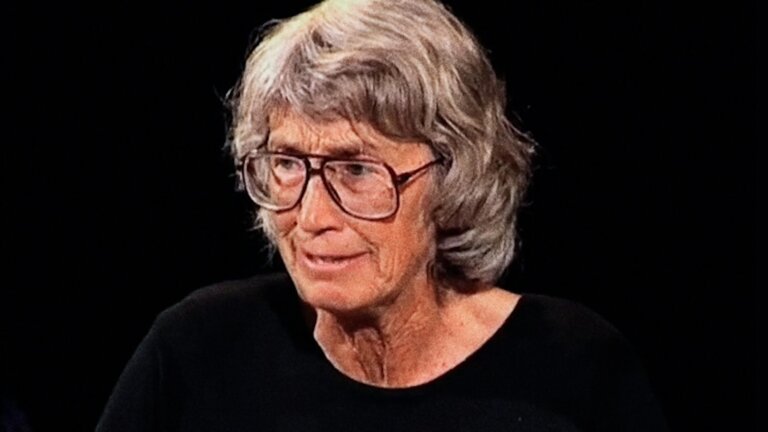
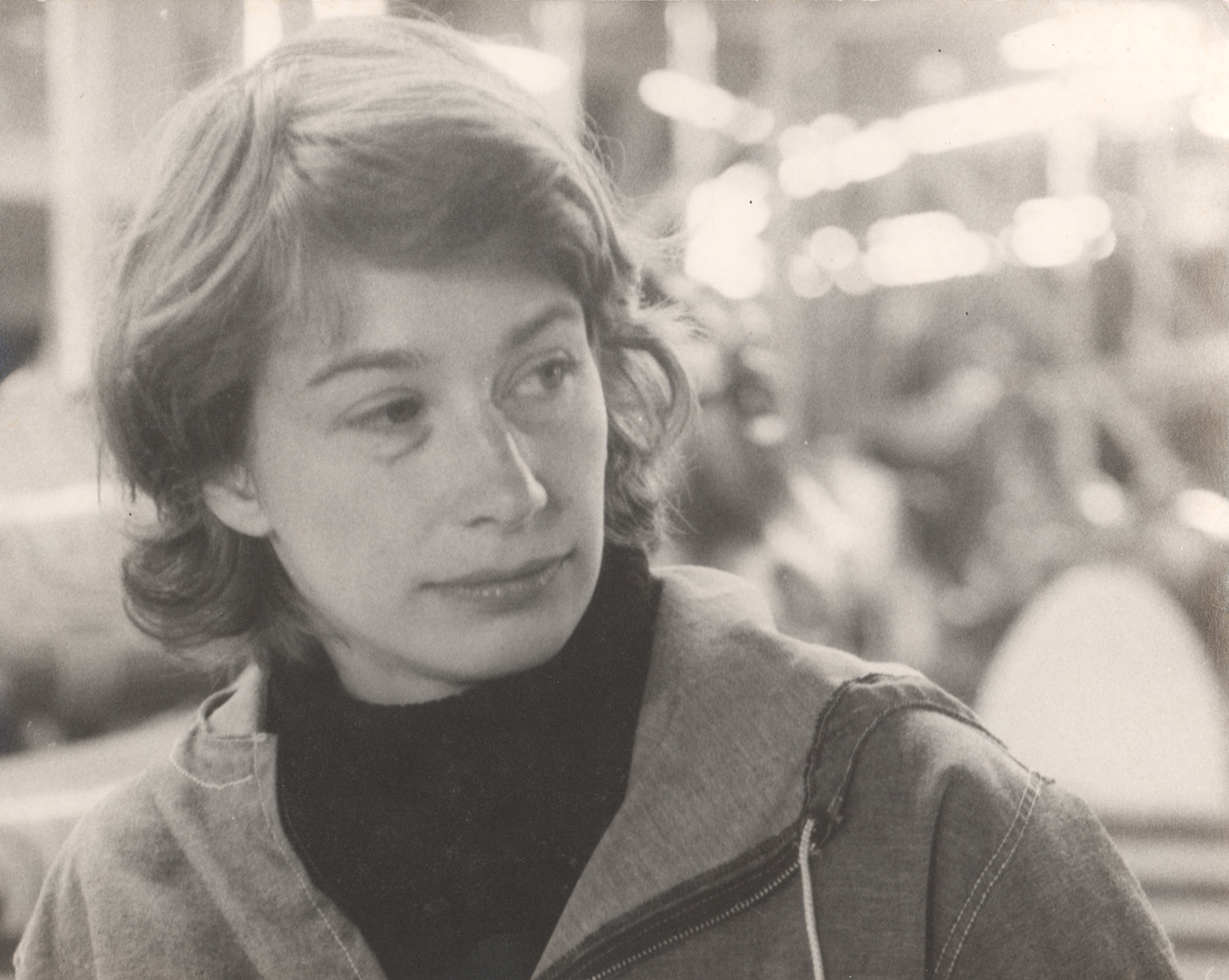
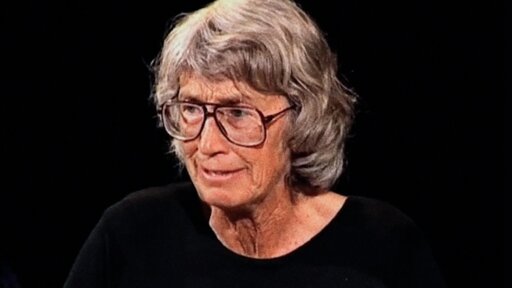
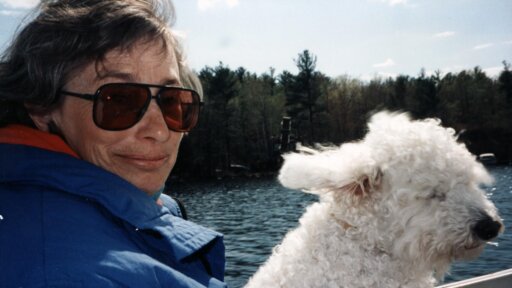
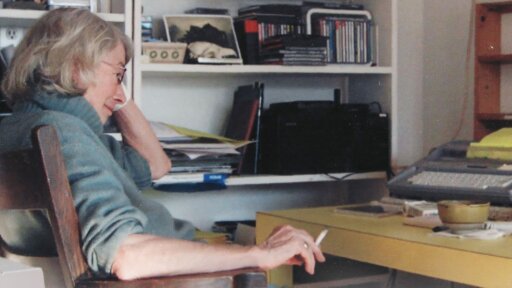
Mary Oliver. Mary Oliver’s image © NW Orchard LLC
Oliver’s poems do not create that power, they give it a container. Oliver is merely the conduit—a self-described “scribbler,” or “catcher of whatever is given.” Whether what’s given is a grasshopper, an ant, or a stillborn kitten, there is something to be noted down, honored, and shared with the world.
It took decades of “scribbling” before Oliver got her break. For most of her life, poetry was not a practice that paid well; she wrote to critical acclaim but in relative public anonymity. That changed on the morning she won the Pulitzer, when she was scouring the dump for shingles to use on her and Molly’s roof. She was 48 years old.
She had always been insistent that her words should be shared with anyone who wanted to read them: people who might stumble upon them by accident in the pages of a newspaper. When her popularity ballooned in the later part of her life, that vision finally came true.
Her poems still function as a kind of prayer for anyone who chooses to reach for them. Every reader is invited to notice the world and their place in it; so that they, too, can be a conduit to catch what is given. That raw attention is what brings us closer to ourselves, each other, and the world we share.
It’s an openness worth cultivating, because in Oliver’s words, “emptiness is never going to get us to get up and do anything—but ecstasy might.”