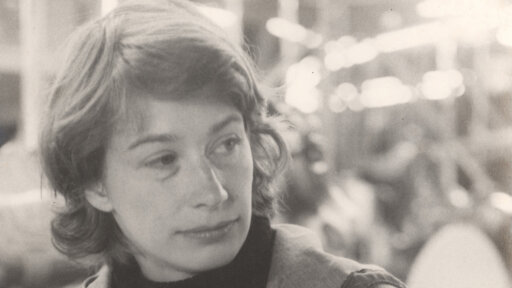
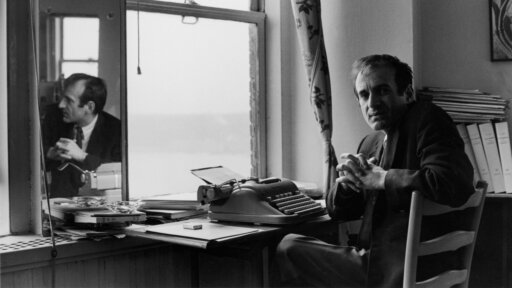
“I do not know whether I am going to heaven or hell, but I have been in heaven for the last fifty years. Thank you, Provincetown.”
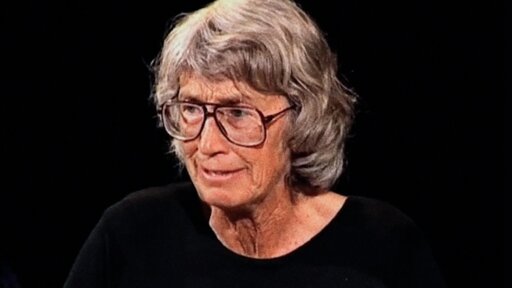
That was how Pulitzer Prize-winning poet Mary Oliver described the Cape Cod town she called home from 1964 until 2010. Surrounded by sweeping dunes, tidal marshes, and the Atlantic Ocean, Oliver found in Provincetown a place where she could build both a life and a career. Yet the place that she loved was far more than a picturesque coastal retreat.
Over the course of the twentieth century, this small town became one of America’s most celebrated artistic communities and a lasting haven for the LGBTQ+ community. Centuries of history, resilience, and the spirit of acceptance helped shape that reputation.
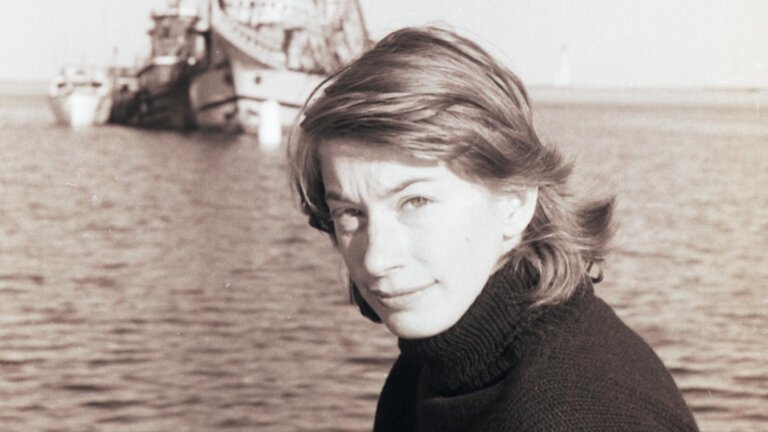
History of Provincetown
About a thousand years before the Pilgrims arrived, the area now known as Provincetown was home to the Wampanoag and Nauset peoples. They lived from the land and sea, first as hunters and gatherers before developing communities sustained by farming and fishing. In 1620, Provincetown Harbor became the first landing place of the Mayflower before the Pilgrims continued north to establish Plymouth Colony.
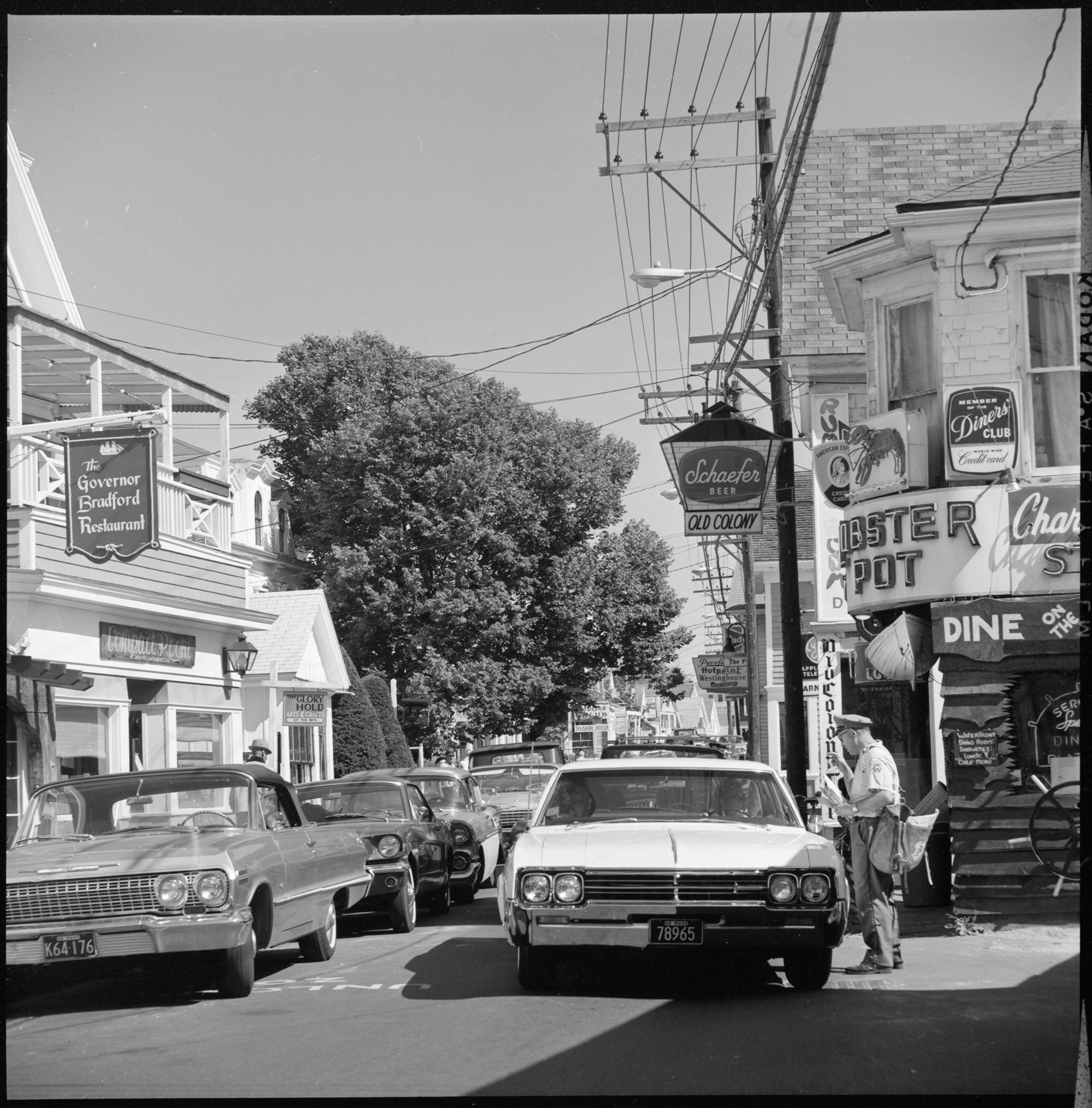
Provincetown, Massachusetts. Photograph by Molly Malone Cook
As the centuries progressed, Provincetown developed into a thriving fishing village with a strong Portuguese community. Many Portuguese immigrants arrived as sailors and fishermen, helping to build the town’s economy. Their cultural legacy remains visible today in its restaurants and traditions, including the annual Provincetown Portuguese Festival and Blessing of the Fleet.
Provincetown’s transformation into one of America’s most significant centers of queer life began at the turn of the twentieth century. For generations, fishing remained the backbone of its economy until the devastating Portland Gale of 1898 altered the town’s future. In the aftermath of the storm, the fishing industry was struggling. Homes and businesses had been damaged or destroyed, many fishing captains had lost their lives, and the local economy was in a steep decline.
When artist Charles Hawthorne visited Provincetown following the storm, he saw possibility where others saw only hardship. In 1899, he founded the Cape Cod School of Art, attracting aspiring painters from New York City and beyond. Their arrival provided an important economic boost. Many local families, including widows of fishermen lost in the storm, opened their homes to artists, offering lodging and meals to help revive the town.
Provincetown’s accessibility also played a crucial role in its evolution. With direct rail and steamship connections to New York City, it offered artists, writers, playwrights, and intellectuals a seaside retreat that was both inspiring and far removed from the fast pace of urban life. Before long, students began returning year after year, finding in Provincetown not only a place to study art but a community of their own.
In the summer of 1915, a group of writers and performers founded the Provincetown Players, whose first productions included Eugene O’Neill’s Bound East for Cardiff. The experimental theater group helped launch O’Neill’s career and established Provincetown as one of the birthplaces of modern American theater.
O’Neill famously arrived each summer carrying his wooden “Magic Box,” filled with new plays ready to be staged before excited audiences. As the town’s national reputation grew, The Boston Globe declared Provincetown the “Biggest Art Colony in the World.” Additional theaters, including the Wharf Theatre, further established the town as one of America’s leading cultural centers.
Along with painters, writers, and playwrights came those who embraced progressive ideas about art, gender, and sexuality. While prejudice did exist, Provincetown’s thriving artistic culture and long history as a diverse maritime community made it more accepting than many places in the United States during the early twentieth century. That atmosphere of relative openness attracted increasing numbers of queer residents and visitors. By the 1920s, Provincetown had developed a visible LGBTQ+ community, even as some of the more conservative residents unsuccessfully sought to curb its growth.
The Great Depression brought new challenges as the fishing industry declined and the price of fish collapsed. Yet once again, Provincetown found renewal. Franklin D. Roosevelt’s New Deal programs funded public works, including a new airport and post office, while federal arts initiatives supported local painters, writers, and muralists.
Those investments strengthened Provincetown’s economy while reinforcing its identity as a place where art and community could flourish.
A Community Comes Into Its Own
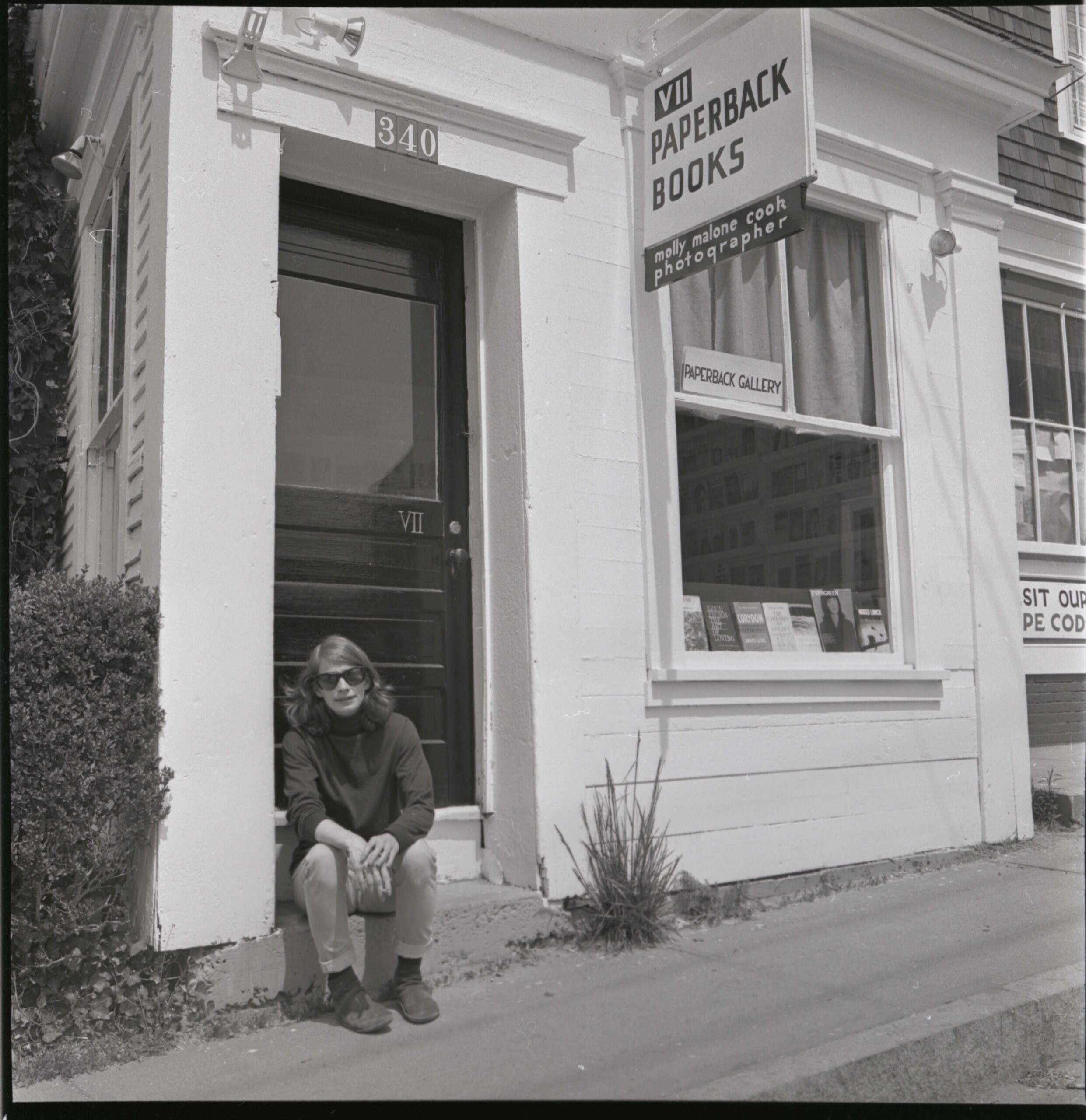
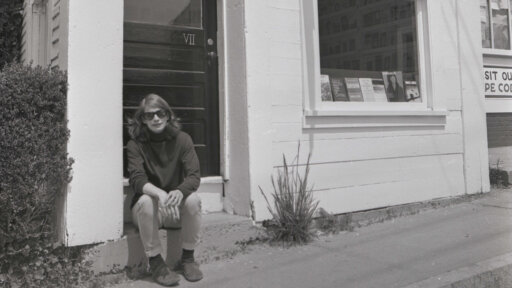
Mary Oliver at VII. Photograph by Molly Malone Cook
By the middle of the twentieth century, Provincetown had become known for more than its artistic scene. Its growing reputation as a welcoming place for the queer community was reflected in both its residents and local institutions. In 1940, the Provincetown Advocate reportedly became the first newspaper of record to print the word “homosexual,” a significant editorial decision at a time when most publications avoided the subject altogether.
In the decades that followed, Provincetown became even more diverse and vibrant. Phil Biona, better known by his drag persona Bella Biona, opened Weathering Heights, the town’s first openly gay bar. Welcoming LGBTQ+ patrons at a time when few establishments did, it quickly became a gathering place for locals and visitors.
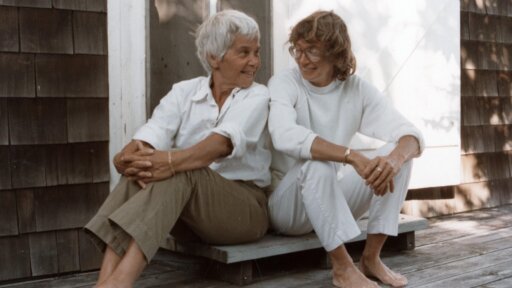
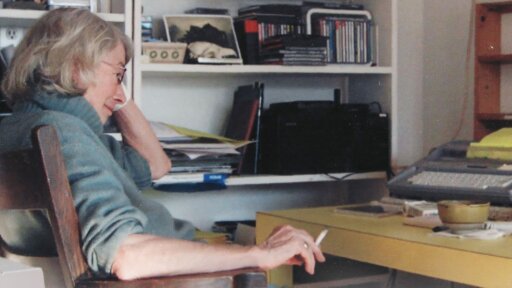
Provincetown also became a destination for influential figures from the worlds of literature, film, music, and art. Pulitzer Prize-winning poet Mary Oliver and her partner, photographer Molly Malone Cook, made Provincetown their home. There, Cook opened the East Coast’s first photographic gallery, featuring prints by such renowned photographers as Ansel Adams and Edward Steichen. For Oliver, Provincetown’s natural surroundings offered a landscape vastly different from the Ohio of her childhood. She spent hours taking long walks and closely observing the maritime world around her, finding inspiration in everything from the shoreline to clams. Such observations of nature would become a defining element of her poetry.
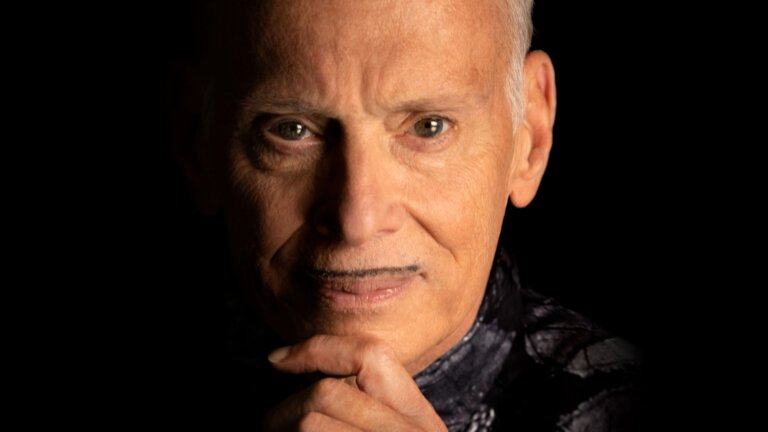
Around the same time, filmmaker John Waters began spending his summers in Provincetown. Before long, his close circle of collaborators, known as the Dreamlanders, followed him, adding another dimension to the town’s growing queer culture. The visual arts thrived as well. In 1966, Andy Warhol brought his multimedia production Exploding Plastic Inevitable to Provincetown. The production combined performances by the Velvet Underground with avant-garde film, dance, and immersive light projections. Its experimental approach reflected the era’s changing ideas about identity and self-expression.
Together, these cultural developments helped establish Provincetown as one of America’s most influential centers of queer life and artistic innovation, extending its influence well beyond Cape Cod and into American culture itself.
Resilience and Legacy
But Provincetown’s role as a place of refuge would take on new significance during one of the darkest periods in modern LGBTQ+ history. In the early 1980s, the AIDS epidemic claimed the lives of thousands across the country, and it had a devastating impact on the LGBTQ+ community. With few effective treatments available and limited public understanding, those living with AIDS often faced fear, discrimination, and social stigma in addition to the illness.
Poet and activist David Matias, who lost many friends to AIDS and was himself diagnosed with the disease, later moved to Provincetown. Like many others, he found a network that offered support and acceptance at a time when those qualities were often in short supply elsewhere. Recognizing the growing need for advocacy, the Provincetown AIDS Support Group (PASG) was founded in 1983. The organization provided practical assistance, emotional support, and education while helping combat the stigma surrounding AIDS.
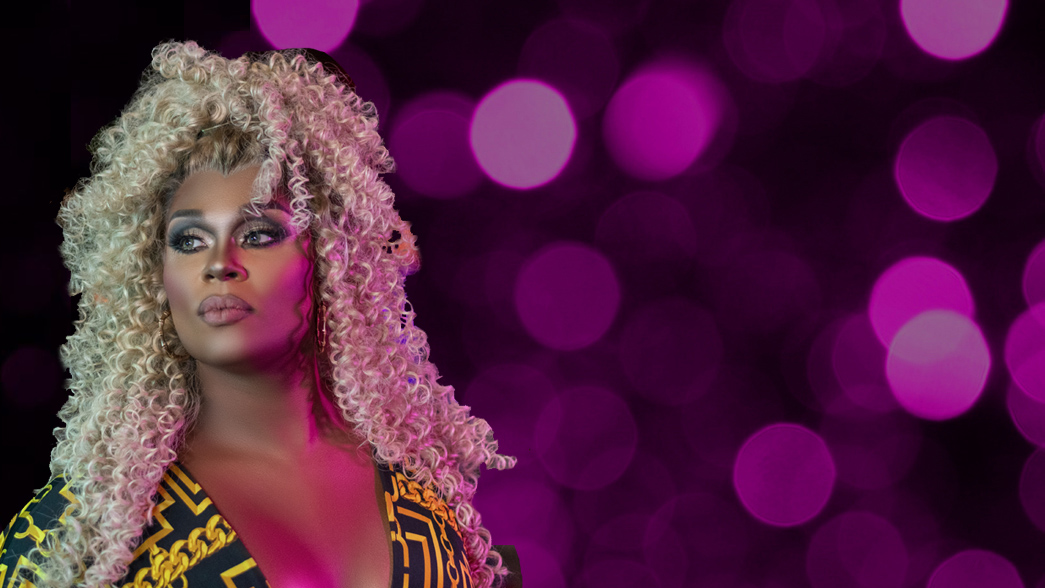
Even so, Provincetown was not without its challenges. During Labor Day weekend in 1990, the Spiritus Riot erupted in response to the arrest of the popular drag performer Vanilla and growing frustration over police harassment of members of the LGBTQ+ community. The protests prompted reforms within the Provincetown Police Department, including increased efforts to recruit LGBTQ+ officers and strengthen community relationships.
Following Massachusetts’ legalization of same-sex marriage in 2004, Provincetown quickly became one of the country’s premier wedding destinations for LGBTQ+ couples. Annual events such as Bear Week, Provincetown Carnival, and Family Week, the world’s largest gathering of LGBTQ+ families, draw thousands of visitors each year.
In 2010, U.S. Census Bureau data showed that Provincetown had the highest proportion of same-sex couples of any municipality in the country, earning it the nickname “the gayest town in America.” The distinction marked how deeply the LGBTQ+ community had become woven into Provincetown’s identity.
***
Provincetown’s story is ultimately one of continual reinvention. From a struggling Portuguese fishing village to one of the nation’s best-known LGBTQ+ destinations, Provincetown has evolved as new generations made the town their own. Artists, writers, performers, and LGBTQ+ Americans have each added to that story, creating a place whose appeal reaches far beyond its picturesque shores. Today, Provincetown continues to draw people seeking inspiration, freedom, and a sense of belonging.