Writer and editor Lindsay Whalen is writing the first biography of the Pulitzer Prize-winning poet Mary Oliver, to be published by Penguin Press. Here she interprets Mary Oliver’s poem, “Maybe,” in a close reading of the work.
“Maybe”
By Mary Oliver
Mary Oliver’s name and writing © NW Orchard LLC
“Maybe” is a poem written from the middle. It first appeared in print in 1987, the year Mary Oliver turned 52. She was by then the author of five poetry collections and had become—slowly, and then quickly—a name readers recognized, the shift largely the result of American Primitive’s 1984 Pulitzer Prize. While grateful for the recognition, Oliver insisted it did nothing to change what mattered, which was, “to fill the blank piece of paper in front of me.”
She continued to ask herself the questions that had possessed her from the start: How does a poem feel? Using “linguistic tricks and acrobatics,” could she create an experience readers held as their own? She had a fondness for the present tense, for verbs, for a short line – for a poem that captured your heart, and ran with it. Lately, however, she felt herself coming to the end of something. A cycle that had begun with 1979’s Twelve Moons was beginning to close. It wasn’t yet clear what would come next.
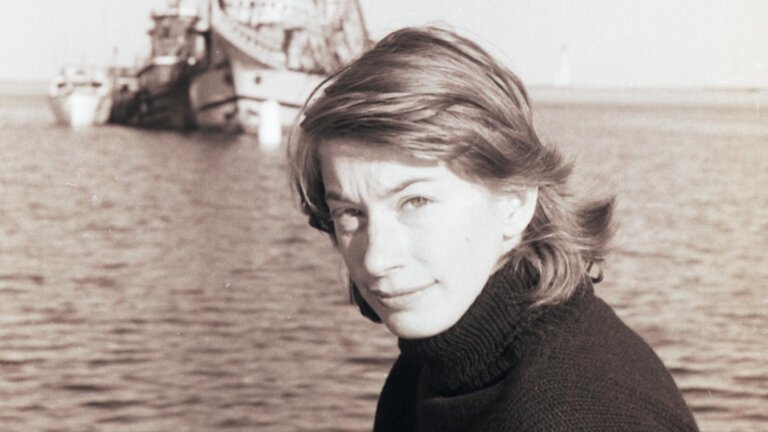
The poem begins with a storm:
Sweet Jesus, talking / his melancholy madness, / stood up in the boat / and the sea lay down, / silky and sorry. / So everybody was saved that night.

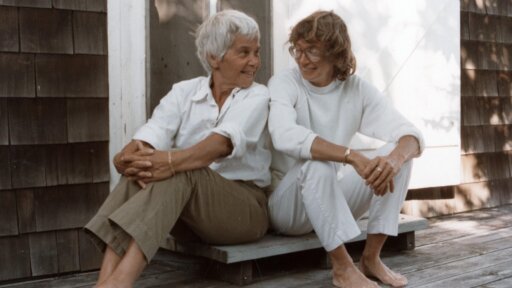
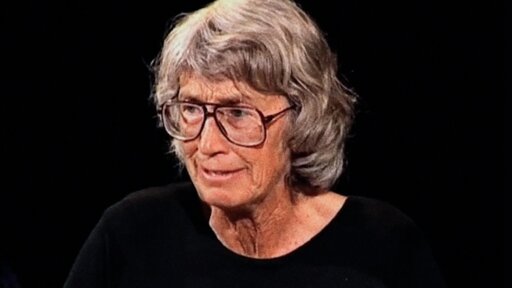
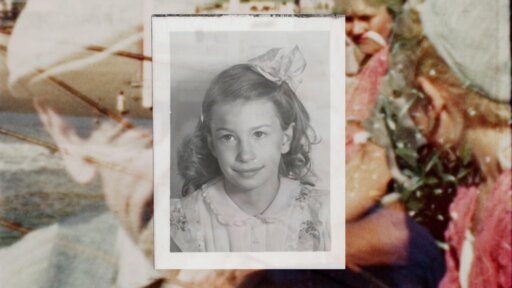
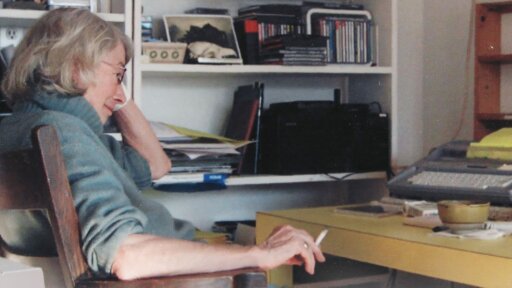
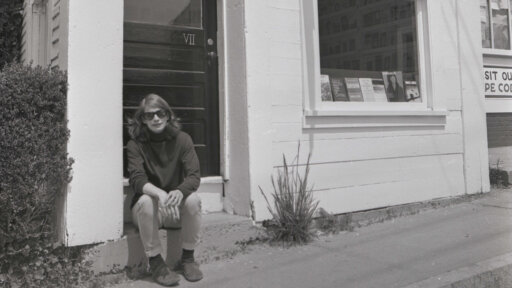
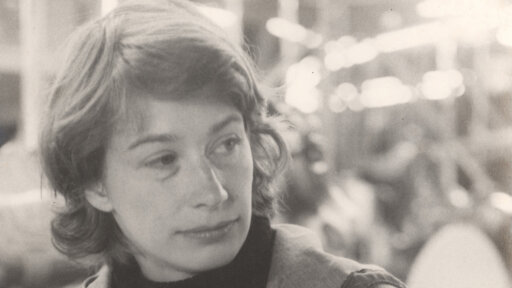
Mary Oliver. Mary Oliver’s image © NW Orchard LLC
This is a story we know: Jesus calms the sea of Galilee. Oliver dispatches with the miracle handily, the lines sliding with their repeated sibilant s’s. The interior alliteration of melancholy madness amplifies the opening’s incantatory music. The content is terror, but the feeling is one of enchanted protection; we, too, are saved.
But you know how it is. The second stanza’s conspiratorial direct address breaks the spell, returning us to the vernacular and ordinary, where salvation is greeted with sidelong suspicion: the young brother / begins to sharpen his knife. Still the momentum continues, following a form revisited in variation throughout House of Light, the 1990 collection in which “Maybe” would later appear: nine free verse quatrains, the lines arranged in a pattern of increasing indentation that repeats again with each stanza. The eye staggers down the page, following enjambment, until, finally, at the close of the fourth stanza, we land: Nobody knows what the soul is.
Oliver had a feeling for the self-enclosed line and the work it could do in a poem. “The pause works as an instant of inactivity,” she wrote, “in which the reader is ‘invited’ to weigh the information and pleasure of the line.” While there is a relief to the temporary calm, it is difficult to read the first self-enclosed line of “Maybe” as a pleasure. To better understand the line’s chilling effect, it’s worth considering the collection as a whole. House of Light announces itself as a book of questions from the start: Is the soul solid, like iron? / Or is it tender and breakable, like / the wings of a moth in the beak of the owl?
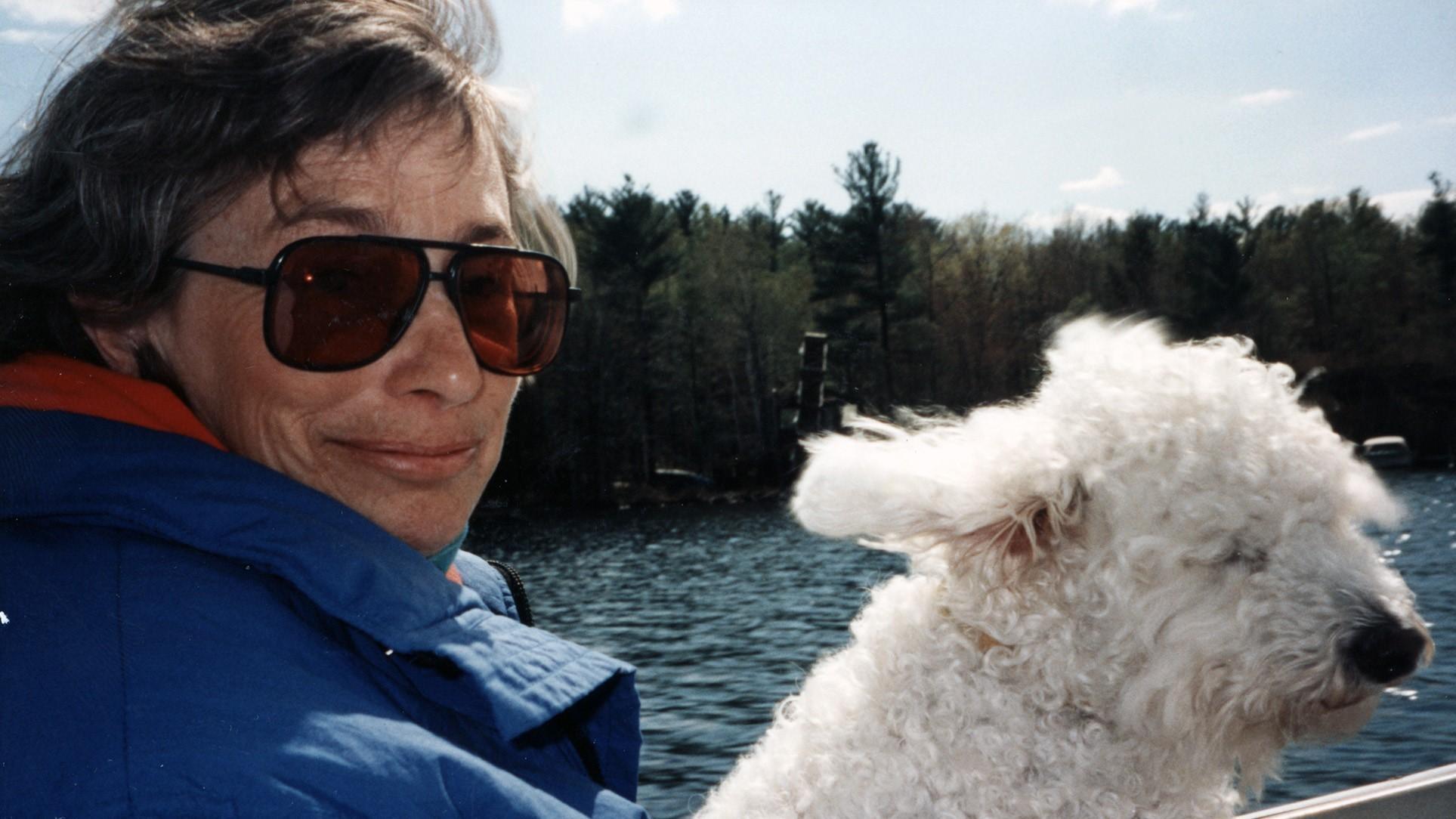
Nobody knows what the soul is. The simple declarative statement at the center of “Maybe” can be read as a response to House of Light’s opening questions, though it offers neither resolution nor relief. Instead we are left to linger in uncertainty, and it is in this mood that the poem begins its second life. Once again, a miracle is introduced; once again, Oliver’s attention returns to its aftermath. The “maybe” of the poem’s title grapples with what might follow if the soul is in fact called forth by grace. There is a flash – like a tremor of pure sunlight, – in which the soul appears, but almost as quickly it is gone, leaving the saved miserable and sleepy / as they are now, forgetting / how the wind tore at the sails / before he rose and talked to it—
Why do the followers again turn from Jesus? Why does the soul summoned so readily depart? These are the questions “Maybe” implies.
“I got saved by poetry. And I got saved by the beauty of the world.” The quote from which director Sasha Waters’s documentary title is derived suggests a passive experience of salvation, as if Oliver were one of the chosen. But a second related quote, given in response to a reader who asked Oliver to comment on beauty’s purpose, meaningfully complicates this understanding. “We need beauty because it makes us ache to be worthy of it.”
Beauty demands more than death; this is why Jesus is a thousand times more frightening / than the killer sea. Oliver called existence—that we are to be—the “essential blessing.” The terror of salvation then is that we must begin again, with a certain understanding of suffering. Death, sleep, and the thousand other off-roads from sentience offer routes for the soul’s escape that beauty never allows. Oliver wrote “Maybe” having survived many storms; more would follow. It is in her confrontation with beauty, in her response to its call to change, that she would find the courage to face what may be.