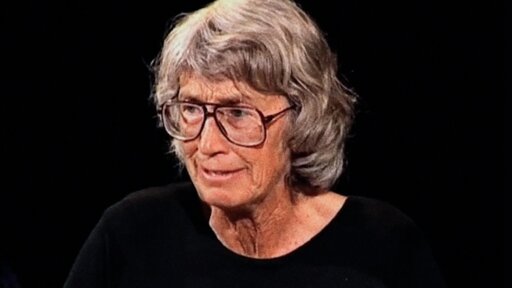
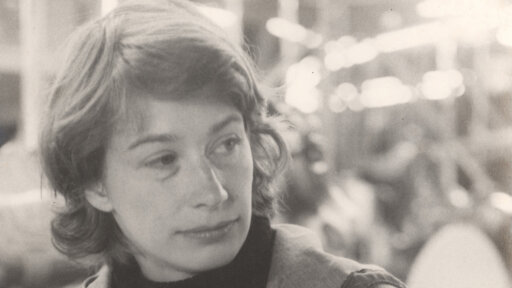
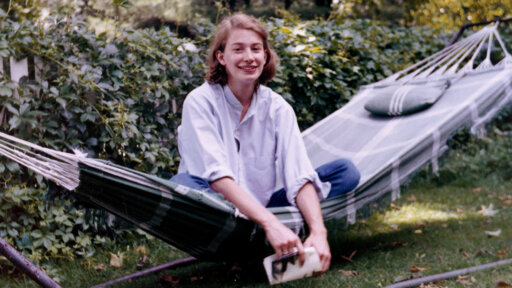
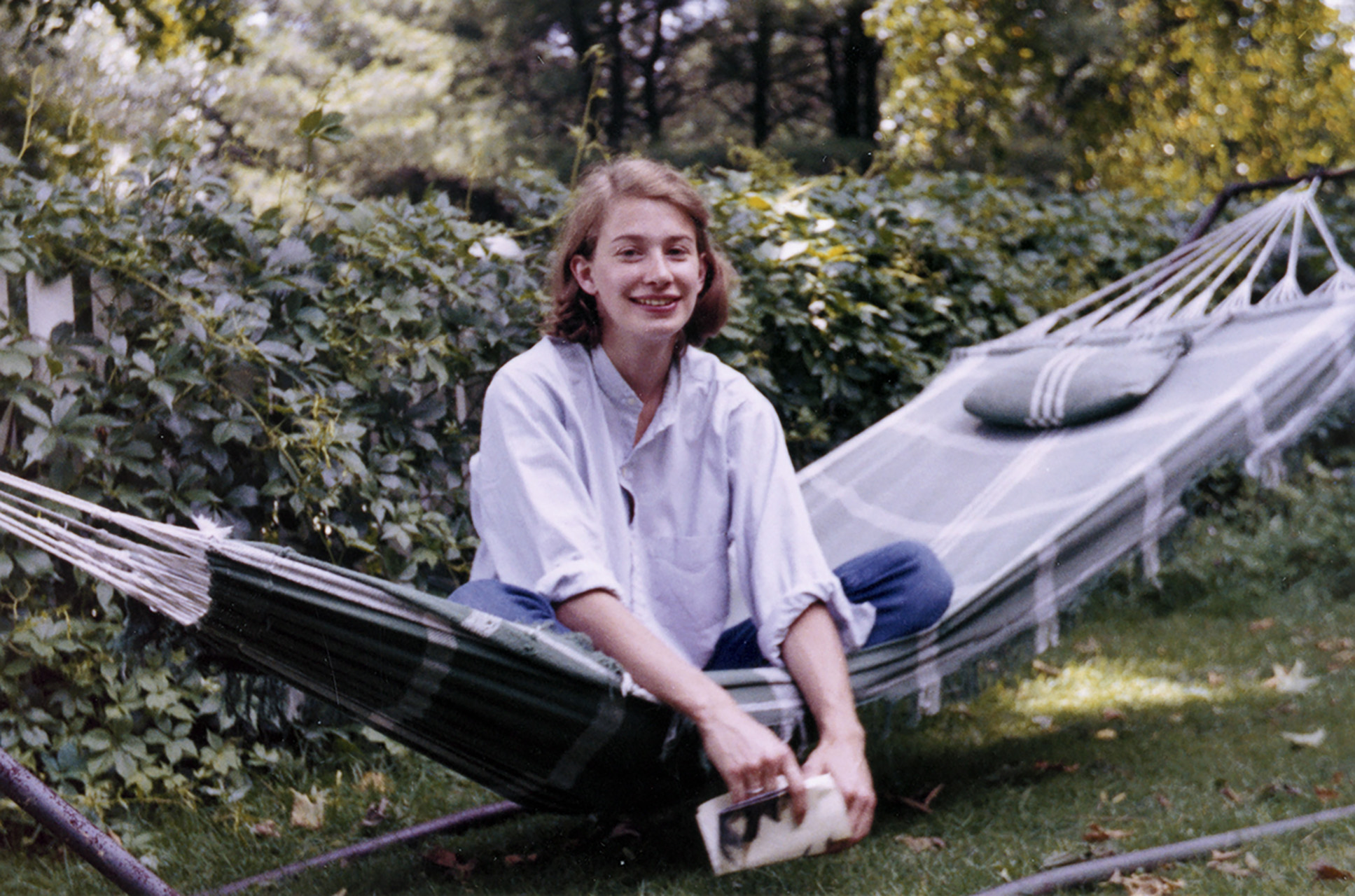
 Once declared “this country’s best-selling poet,” Mary Oliver made her name writing poetry that celebrated the natural world.
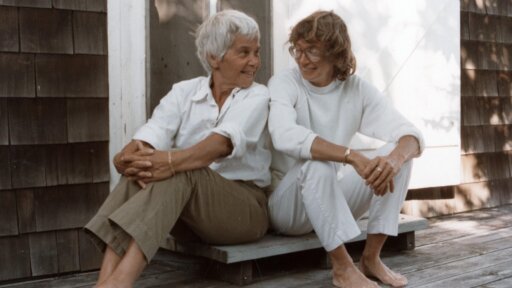
Mary Oliver was born and raised in rural Ohio, where her love of nature flourished as she spent long amounts of time outdoors in the woods. As a young adult, Oliver worked at poet Edna St. Vincent Millay’s estate, Steepletop, in Austerlitz, New York. There, she met her life partner, photographer Molly Malone Cook, and they were together for over 40 years until Cook’s death in 2005. The coupled live in Provincetown, Massachusetts, where Oliver drew much inspiration from for her poetry. Oliver published more than 30 collections of poetry and essays in her life, and won the Pulitzer Prize for her collection American Primitive in 1984.
“Mary Oliver’s poems are for me, a balm in the storm,” said Oprah of Oliver’s work. “They speak the language of my soul and I think multiple souls around the earth.”
This timeline takes a closer look at Mary Oliver’s life and the major milestones in her career.
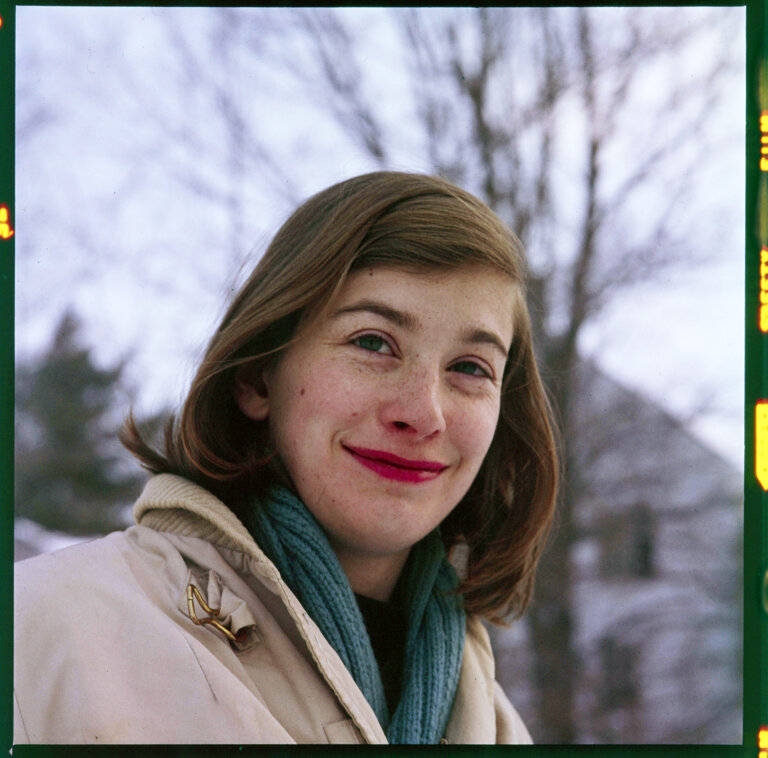
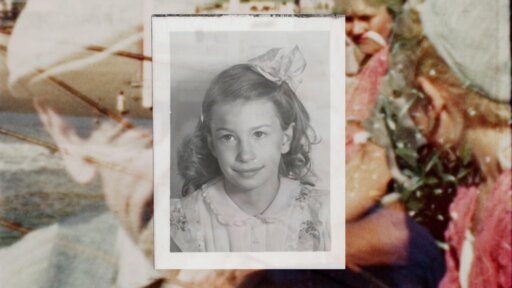
Mary Jane Oliver is born in Cleveland, Ohio, the second child of Edward and Helen (née Vlasak) Oliver. Her older sister, from whom she is later estranged, is named Joan.
Mary Oliver begins writing poetry at age 14. Celebrated American poet Edna St. Vincent Millay dies in 1950 at the age of 58. Millay was the first woman to win the Pulitzer Prize for Poetry in 1923.
Oliver attends the National Music Camp at Interlochen, Michigan, now known as Interlochen Arts Camp, where she was in the percussion section of the National High School Orchestra.
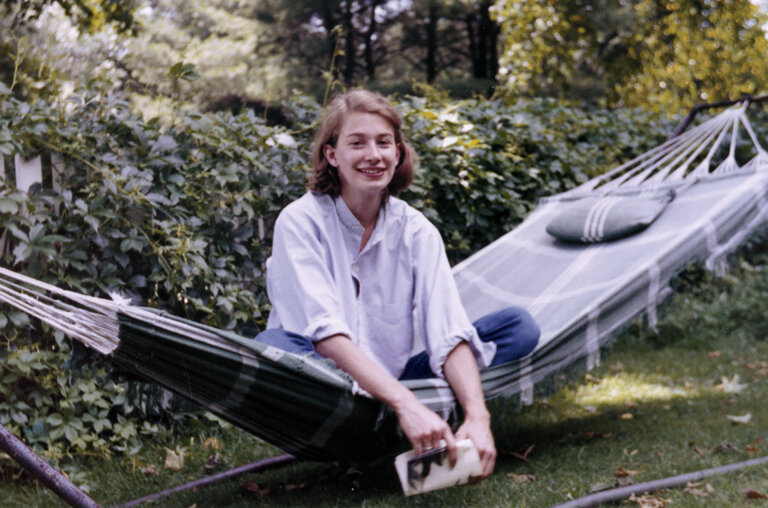
After graduating from high school, Mary writes to Norma Millay Ellis, sister of the celebrated late poet, Edna St. Vincent Millay, asking if she can visit the Millay home at Austerlitz, New York, known as Steepletop. Upon visiting, she stays with Norma and her husband, Charles Ellis, on and off for six years, helping to organize Edna Millay's papers and estate.
Oliver attends both Vassar and The Ohio State University but does not earn a degree from either institution.
While still a student at Vassar, Mary pens a review of Edna St. Vincent Millay's Collected Poems, published by Harper Collins.
Mary Oliver moves to Greenwich Village in New York City.
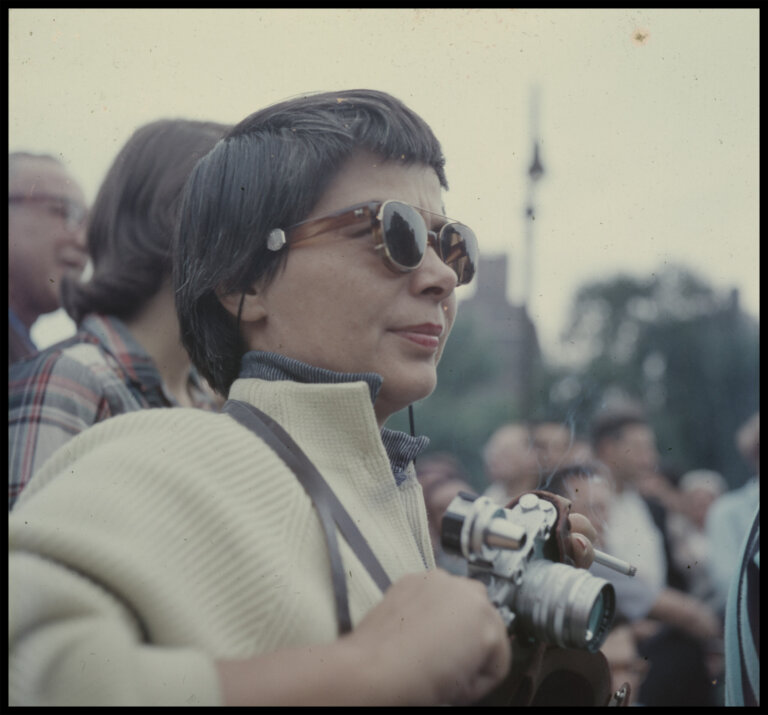
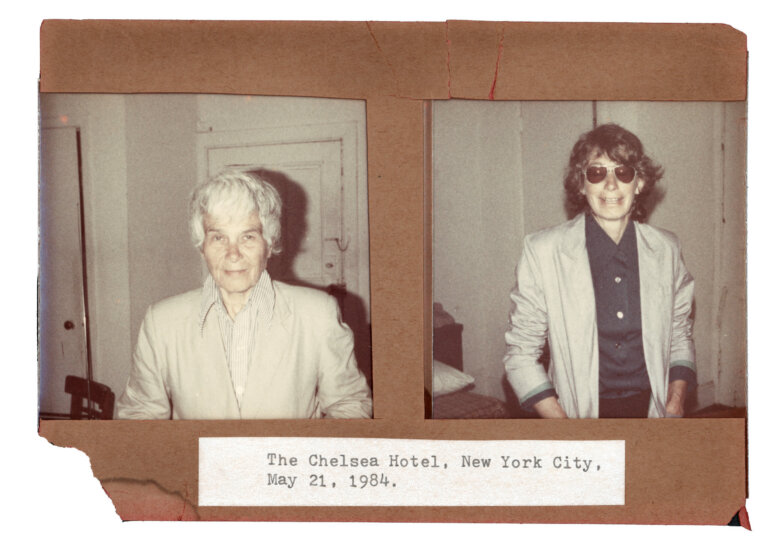
Oliver meets Greenwich Village-based photographer, Molly Malone Cook while both are visiting Steepletop. Cook is ten years Mary's senior. Also in 1959, poet Stanley Kunitz, who later becomes a lifelong friend, wins the Pulitzer Prize for Poetry.
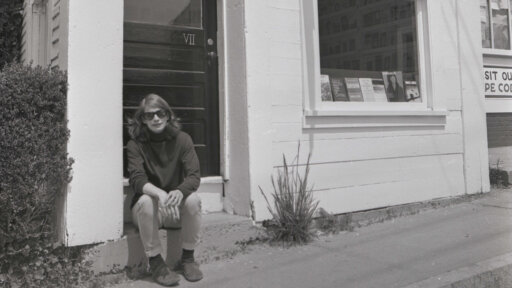
Molly Malone Cook opens VII Gallery in Provincetown, exhibiting primarily fine art photography.
Oliver's poem "No Voyage" wins a $200 first prize from the Poetry Society of America.
Mademoiselle, Harper's Bazaar and The American Scholar are among the earliest magazines to accept poems from Oliver for publication.
While living and working in London, England, Mary Oliver's first collection of poems, No Voyage and Other Poems, is published when she is 28. She writes to and begins a long friendship with Ohio-born American poet, James Wright.
Oliver and Molly Cook decide to spend the summer together in Provincetown, Massachusetts. They will live there for most of the next 40 years.
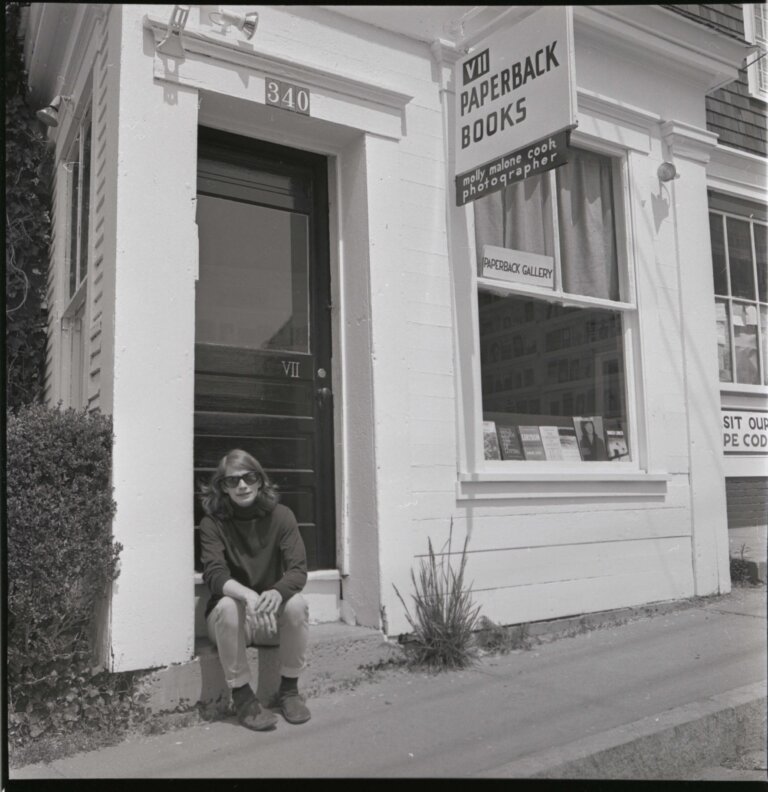
Cook's VII Gallery closes and transitions into East End Books where a young, as-of-yet unknown filmmaker, John Waters, works in the late 1960s.
The American edition of No Voyage is published in the U.S. by Houghton Mifflin. It is reviewed in The New York Times by James Dickey and called "predictably good."
Oliver wins the Shelley Memorial Prize from the Poetry Society of America. Poet Adrienne Rich wins it the following year.
The River Styx, Ohio, and Other Poems is published by Harcourt.
Molly Cook works as an assistant to writer Norman Mailer, then a parttime resident of Provincetown. Mary Oliver works as a typist for Mailer, including on the manuscript for The Executioner's Song, published in 1979.
Oliver's father dies from pulmonary emphysema.
Bits Press publishes The Night Traveler, a small chapbook, which is reviewed in The New Republic by Joyce Carol Oates.
Twelve Moons is published by Little, Brown. Oliver receives the Cleveland Arts Prize for Literature.
Mary Oliver is awarded the John Simon Guggenheim Memorial Fellowship.
American Primitive is published by Little, Brown and dedicated to the poet James Wright. Oliver serves as the Flora Stone Mather Visiting Professor of English at Case Western Reserve University in Cleveland, Ohio.
American Primitive wins the Pulitzer Prize for Poetry.
Oliver's mother Helen Vlasak Oliver dies from heart failure.
Oliver is the Poet in Residence at Bucknell University in Pennsylvania.
Dream Work, containing two of Oliver's most well-known and beloved poems, "Wild Geese" and "The Journey," is published by The Atlantic Monthly Press.
As the juror for the Morse Poetry Prize at Northeastern University, Mary Oliver selects The Holyoke by (unknown to her, Provincetown native) Frank X. Gaspar.
House of Light is published by Beacon Press.
Mary Oliver is the Margaret Banister Writer in Residence at Sweet Briar College in Virginia.
New and Selected Poems is published by Beacon Press. It later wins the National Book Award for Poetry.
A Poetry Handbook, a practical guide for the reading and writing of poetry, is published by Harcourt.
Blue Pastures is published by Harcourt.
Mary Oliver serves as the Catharine Osgood Foster Chair for Distinguished Teaching at Bennington College in Vermont. At Bennington, she meets her future literary executor, Bill Reichblum and his wife Amalie, becoming close with the family, including their two children.
Oliver receives the Lannan Literary Award for Poetry Oliver, and the first of several Honorary Doctorates, from the Art Institute of Boston.
Oliver publishes Winter Hours, described as "her most personal book yet." As a juror she selects David Keplinger to receive the T.S. Eliot Prize for his first collection, The Rose Inside. Keplinger will remain a friend and correspondent until the end of Mary's life.
The Leaf and the Cloud, a prose poem, is published by Da Capo.
Owls and Other Fantasies: poems and essays is published by Beacon Press.
Long Life: Essays and Other Writings is published by Da Capo; Why I Wake Early: New Poems and Blue Iris: Poems and Essays are published by Beacon Press.
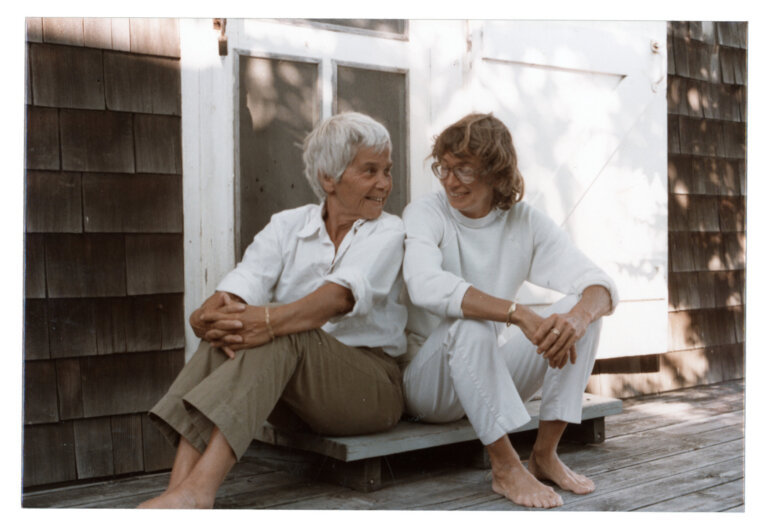
Molly Malone Cook dies at the age of 80 after a long illness. New and Selected Poems, Volume 2 is published by Beacon Press.
Friend and poet Stanley Kunitz dies at age 100. Mary publishes Thirst, which features poems that grapple with grief, faith, and spirituality.
Our World, a book commemorating Molly Malone Cook's life and photography with text by Mary Oliver, is published by Beacon Press.
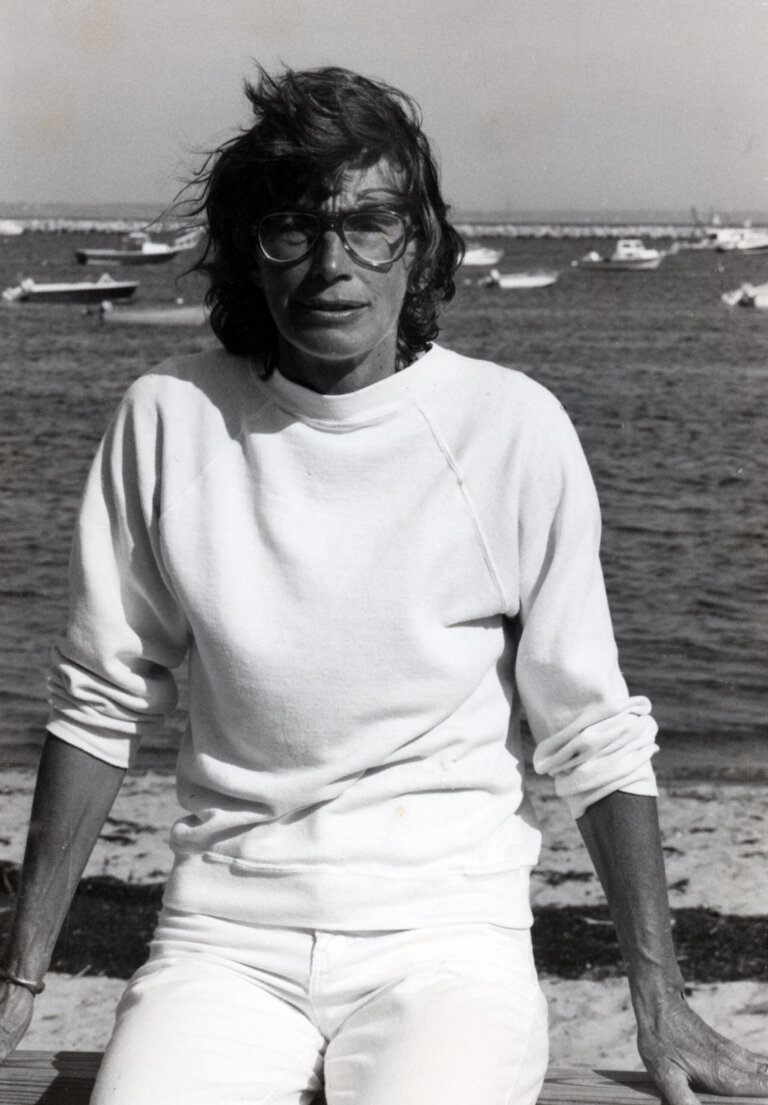
Mary Oliver is described by Dwight Garner in The New York Times as "far and away, this country's best-selling poet."
The Truro Bear and Other Adventures: Poems and Essays and Red Bird are published by Beacon Press.
Mary Oliver donates the papers and photographs of Molly Malone Cook to Smith College Special Collections.
Evidence is published by Beacon Press; this is the first of Mary's books to be dedicated to her late-in-life partner Anne.
Swan: Poems and Prose Poems is published, containing the poem, "Don't Hesitate," with the beloved line, "Joy is not made to be a crumb." Mary leaves Provincetown for Hobe Sound, Florida where she lives with Anne until the end of her life.
Mary Oliver attends First Lady of California Maria Shriver's Women's Conference. She is inspired by hearing V [formerly Eve Ensler] publicly share her story of surviving of childhood sexual abuse.
Maria Shriver interviews Mary for the April 2011 O Magazine's special edition on poetry. Mary discloses for the first time publicly that she is a survivor of childhood sexual abuse.
Mary Oliver is diagnosed with lung cancer, an experience reflected in her poem, "The Fourth Sign of the Zodiac."
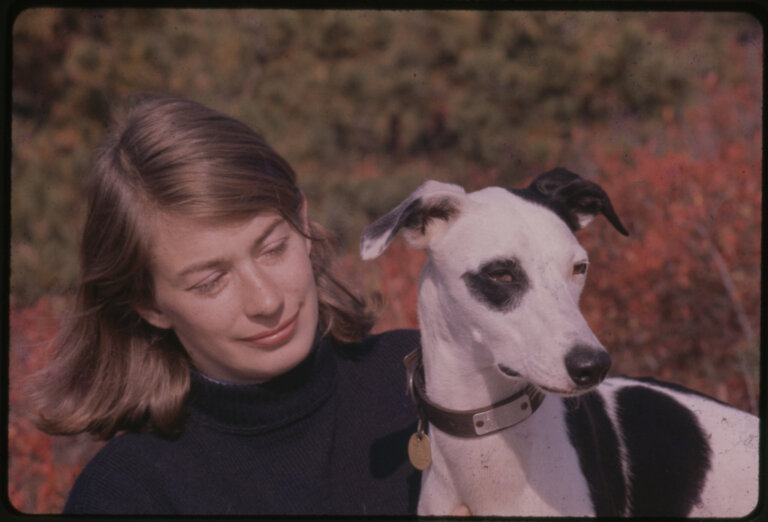
Dog Songs is published by Penguin.
Oliver grants a rare, in-depth audio interview to Krista Tippet for "On Being."
Upstream: Selected Essays is published by Penguin. Oliver meets writer Lindsay Whalen and agrees to let Whalen pen her biography.
Her final book, Devotions: The Collected Poems of Mary Oliver, is published by Penguin.
Ruth Franklin's essay, "What Mary Oliver's Critics Don't Understand" appears in The New Yorker.
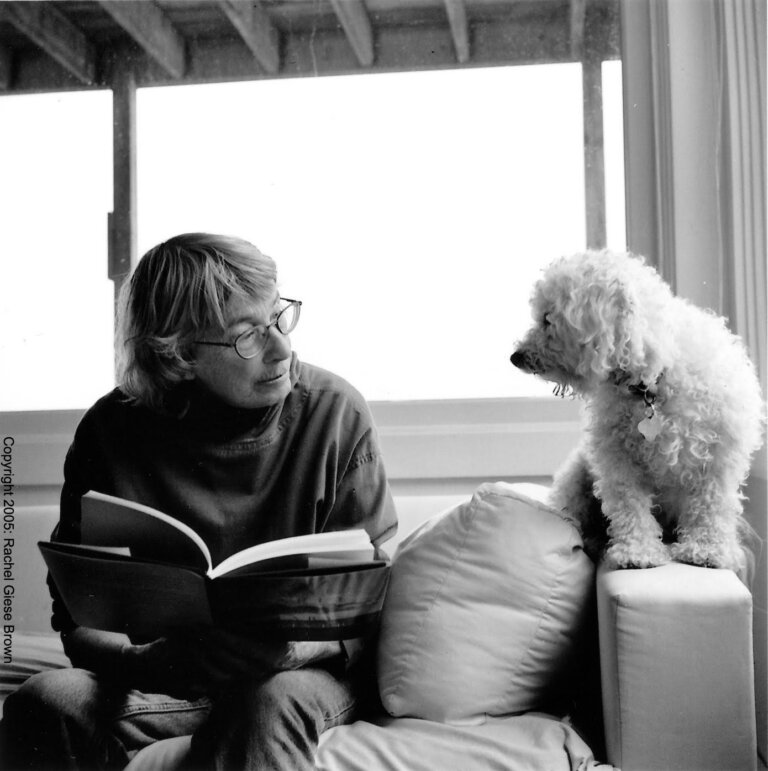
Mary Oliver dies of lymphoma at her home in Florida at the age of 83.
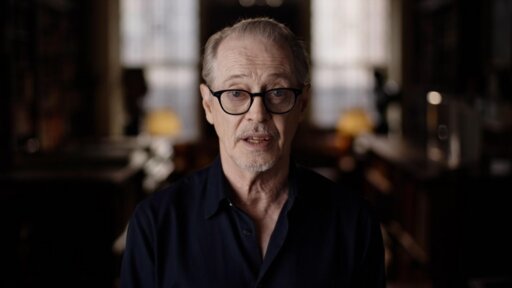
A Tribute to Mary Oliver is held at The 92nd St Y in New York and features readings by Maria Shriver, John Waters, poet Coleman Barks, V [Eve Ensler] and more.
The papers of Mary Oliver, spanning 1863-2019, are given to the Library of Congress by Bill and Amalie Reichblum.