
Mary Oliver often hinted at the turmoil within her family, but sought to move past it. “It was a very dark and broken house I came from,” said Oliver about her childhood. “I escaped it barely.”
Video Features
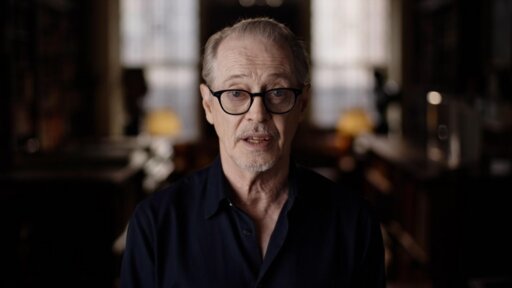
Steve Buscemi reads Mary Oliver's poem, "The Fish"
Listen to Steve Buscemi read Mary Oliver's poem "The Fish" in this excerpt from the film.
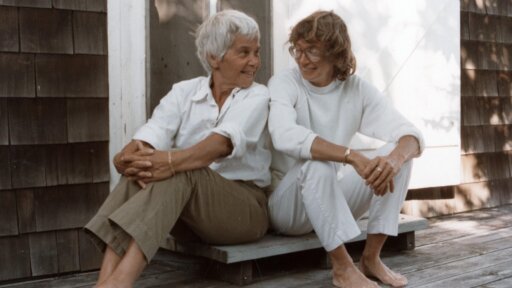
How Mary Oliver met her life partner, Molly Malone Cook
Mary Oliver met her life partner, photographer Molly Malone Cook, at Steepletop.
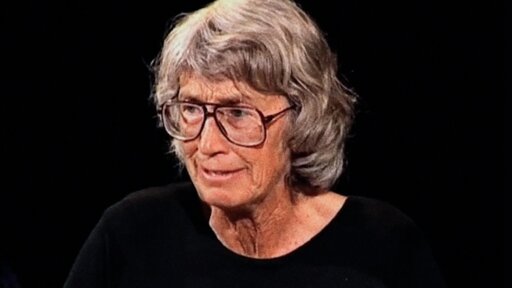
The political nature of Mary Oliver's poems
Mary Oliver sought to call attention to the destruction of the earth in her work.
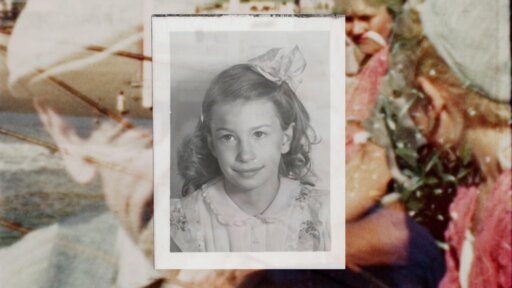
Mary Oliver had a troubled childhood
Mary Oliver often hinted at the turmoil within her family, but sought to move past it.
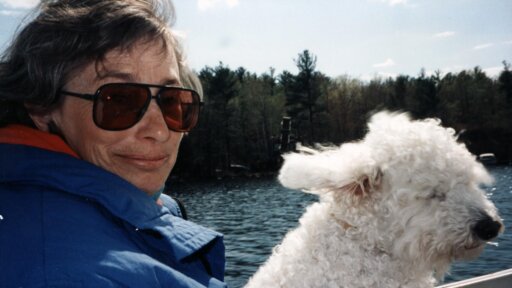
Unpacking the meaning behind Mary Oliver's "Wild Geese"
"Wild Geese" is one of Mary Oliver's most popular poems.
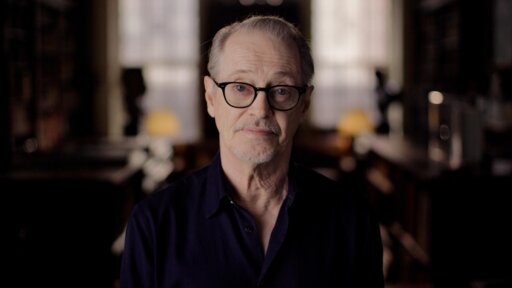
Steve Buscemi reads Mary Oliver's "The First Time Percy Came Back"
Listen to Steve Buscemi read Mary Oliver's poem "The First Time Percy Came Back."
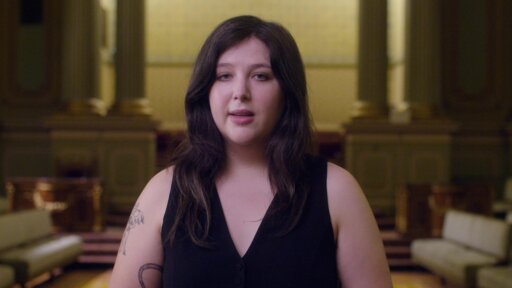
Lucy Dacus reads Mary Oliver's "The Journey"
Lucy Dacus reads Mary Oliver's poem "The Journey" in this outtake.
Written Features
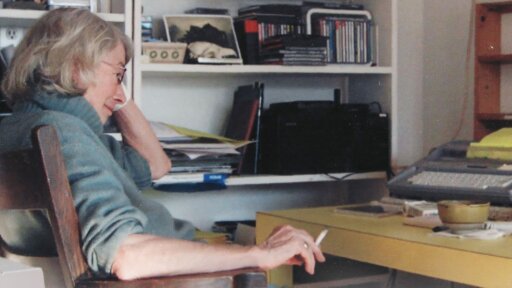
TRANSCRIPT
- [Narrator] My mother was the blue wisteria.
My mother was the mossy stream out behind the house.
My mother, alas, alas, did not always love her life.
Heavier than iron it was as she carried it in her arms from room to room.
Oh, unforgettable.
I bury her in a box in the Earth and turn away.
- It was a very dark and broken house that I came from.
I escaped it barely.
That was my strength, but I wasn't all strength.
- My father was a demon of frustrated dreams, was a breaker of trust, was a poor, thin boy with bad luck.
He followed God, there being no one else he could talk to.
He swaggered before God, there being no one else who would listen.
Listen, this was his life.
I bury it in the Earth.
I sweep the closets.
I leave the house.
- When she was 17, she left that house and she hid out in the woods for a week.
- [Narrator] I mention them now.
I will not mention them again.
It is not lack of love nor lack of sorrow, but the iron thing they carried, I will not carry.
I give them one, two, three, four, the kiss of courtesy, of sweet thanks, of anger, of good luck in the deep Earth.
May they sleep well.
May they soften.
But I will not give them the kiss of complicity.
I will not give them the responsibility for my life.
- Forget it.
Set it down.
Walk on.
It's an amazing poem.
You think that's being written at a time and a culture when there was so much emphasis on investigating childhood abuse, on the kinds of traumas that might have shaped us.
And Mary is saying, "You don't need it.
Bury them and leave."
You May Also Like

The Incomparable Mr. Buckley
Discover the intellectual evolution and political legacy of William F. Buckley, Jr.

John Muir in the New World
Explore the life and legacy of America's first environmentalist and Sierra Club's founder

In The Making
Follow two performers as they break down barriers in opera and country music.

The Adventures of Saul Bellow
Explore Nobel Prize winner Saul Bellow's impact on American literature.

Art Spiegelman: Disaster is My Muse
Explore the career of cartoonist Art Spiegelman and his award-winning graphic novel Maus.

James Baldwin: The Price of the Ticket
An encore of James Baldwin: The Price of the Ticket (original broadcast August 14, 1989)