
Talking to Young Children About Race and Racism
Children are never too young to be introduced to the many cultures and people of our world. Dr. Aisha White, with the Office of Child Development at University of Pittsburgh, says “The research continues to show that children recognize skin color differences at a very young age. As young as 3 months old, they may look differently at people who look like or don’t look like their primary caregivers.”
As parents and caregivers, we must have confidence in ourselves and in our children — that we, and they, can handle tough topics and tough situations. We must understand that our role is to be honest, specific, and trustworthy as we raise the next generation to confront racial injustice.
Here are tips and resources to help you have a meaningful conversation with young children about race, racism, and being anti-racist.
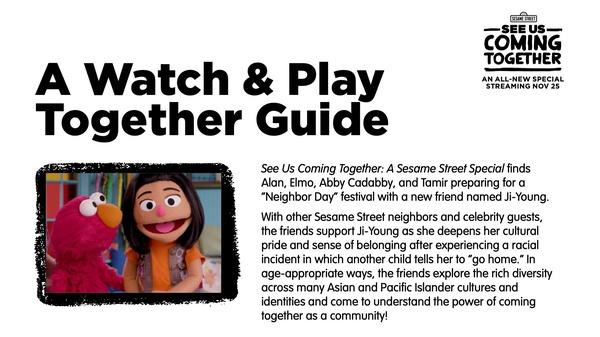
See Us Coming Together: A Watch and Play Guide from Sesame Street
We know that young children are curious about their racial, ethnic, and cultural identity or identities. As social beings, we want to build connections with others. We all want to have a sense of belonging. Young children benefit in many ways when they can feel positively about their identity group. For some children, one challenge is developing positive feelings about themselves and being able to effectively manage and heal when treated unfairly. "See Us Coming Together" celebrates each child’s unique identity and sense of belonging to a caring community and diverse world!
See Us Coming Together: A Watch and Play Guide
Here are playful learning resources to help guide conversations with your child about fairness and belonging to a community based on "See Us Coming Together: A Sesame Street Special."
 Emotions & Self-Awareness
PBS KIDS Talk About Race & Racism
The half-hour program, “PBS KIDS Talk About: Race & Racism,” features authentic conversations between real children and their parents, and includes content from PBS KIDS series Daniel Tiger's Neighborhood, Arthur and Xavier Riddle and the Secret Museum. The show features kids and their parents talking about race and racial justice-related topics in an age-appropriate way, such as noticing differences in race, understanding what racism can look like, and embracing the role we all have to play in standing up for ourselves and each other — offering viewers ideas to build on as they continue these important conversations at home.
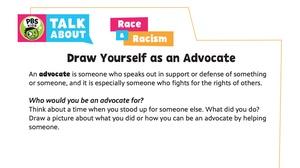
Draw Yourself as an Advocate
Draw a picture of yourself standing up for someone else.
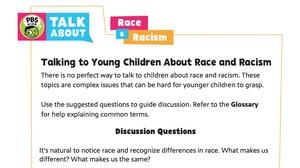
Talking to Young Children About Race and Racism: A Discussion Guide
There is no perfect way to talk about race and racism with children. Here is a guide with questions and definitions.
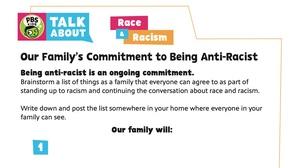
Our Family's Commitment to Being Anti-Racist
Brainstorm a list of ideas as a family for standing up against racism.
Articles
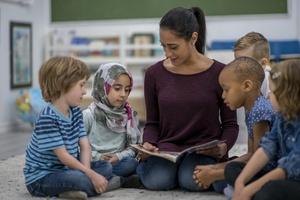
What is Race? Having the Conversation With Young Children
Families should be talking more about race so that we can understand it. Dr. Aisha White explains what race is, and how grown-ups can talk about it with young children.

Why and How to Talk to Your Child About Racism
Conversations about racism will look different for each family, but it's important to talk to children about race and racism. Here are some tips.
Talking to Young Children About Race and Racism: A Discussion Guide
There is no perfect way to talk to children about race and racism. Here is a way to help guide conversations with simple and age-appropriate terms, definitions, and questions.

The Benefits of Teaching Children to See Race
What are some ways you can help show your child the benefits of seeing race? Here are tips to celebrate everyone's skin tone.
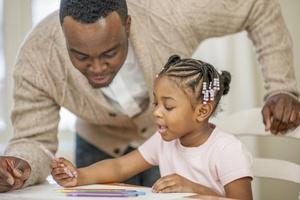
How Black Art Can Spark Conversations With Children
Learning about Black art and artists can help children resist race-based negativity as well as learn about Black history.
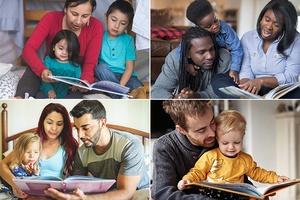
How to Use Children’s Books to Talk About Race and Racism
Storytime opens up new worlds for our children. Here are seven ways Dr. Aisha White recommends using picture books (with questions and conversation starters!) to talk about race and racism.

Using Media to Talk With Children About Race
Parents can create opportunities to talk about race through regular media use. Here are a few ways to make everyday media moments more meaningful.
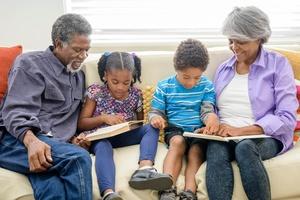
Teaching Your Child About Black History
Introduce children to books and stories that reflect cultures and ethnicities and celebrate Black history and cultural diversity all year long.

3 Ideas to Support Your Family's Anti-Racism Journey
Anti-racism is the practice of working to eliminate the unfair treatment of people based on the color of their skin. Here are small things to do to begin your family's anti-racism journey.

Talking About Race With Kids: Conversation Starters
Having conversations about race with our children can be easier than you think. Here are some simple open-ended questions and ideas to get you started.

Being a Good Neighbor: Talking About Race With Kids
Part of being a good neighbor is seeing your neighbor. By educating themselves, parents and caregivers can help children learn to see race and stand up to racism. Here's what one mom has learned.
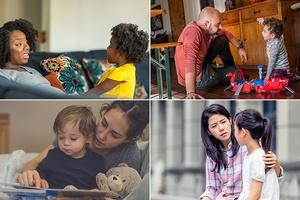
How to Talk Honestly With Children About Racism
Talking with young children about race and racism is tough and important. Here are ideas to help you prepare for conversations, ask questions, and model anti-racist behavior.
Recommended Children's Books
Reading picture books is often a helpful tool for asking your child questions. It can help you learn what your child knows, doesn't know, and what they might already think about race. Use these booklists as guides to expand your child's bookshelf with diverse books and characters.
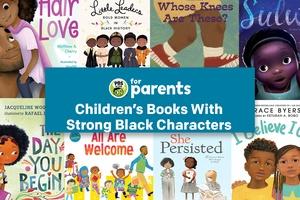
Children’s Books With Strong Black Characters
To encourage conversations about race and diversity with your children, check out this list of children's books to read together as a family.
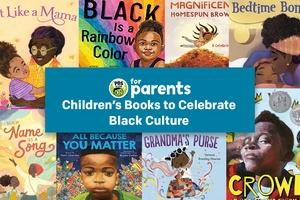
Children's Books to Celebrate Black Culture
Understanding and celebrating diverse cultures begins the moment children begin exploring and reading books. Here are nine books that offer windows into the world of Black lives and culture.
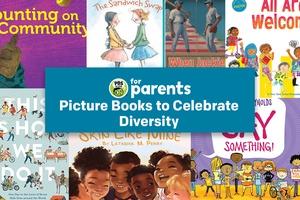
11 Picture Books to Celebrate Diversity
This list of books featuring diverse characters and highlighting the importance of diversity in communities is a great way to start conversations about diversity with your young children.
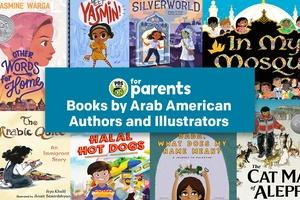
Children’s Books by Arab American Authors and Illustrators
April is Arab American Heritage Month, making it a perfect time to celebrate the talents of Arab American authors. Here are 10 Arab American-authored or illustrated books for children that are worth adding to your reading list.
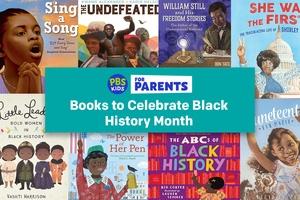
Children’s Books to Celebrate Black History Month
February is Black History Month, a time for celebrating the accomplishments of Black pioneers and trailblazers. With these books, teach young children about Black history all year long.
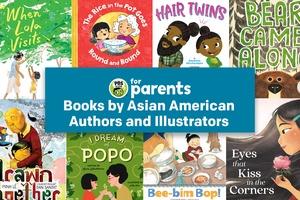
Children’s Books by Asian American Authors and Illustrators
May is Asian American and Pacific Islander Heritage Month, making it a great time to celebrate the amazing talents of Asian American authors and illustrators. Here are 10 books for young children to add to your reading list!
Arthur on Racism: Talk, Listen, and Act
Arthur, Buster, and Mrs. MacGrady have a conversation about racism and what you can do to fight it: talk, listen, and act.
PBS KIDS Read-Along
Author and Illustrator Christian Robinson Reads You Matter
Author and Illustrator Christian Robinson reads his new book, You Matter — a brightly illustrated book that shows how everyone is connected and that everyone matters.
Additional PBS Resources for Parents
PBS' "The Talk: Race in America"
"The Talk: Race in America" is a two-hour documentary about the increasingly necessary conversation taking place in homes and communities across the country between parents of color and their children, especially sons, about how to behave if they are ever stopped by the police.
- It's Never Too Early to Talk to You Kids About Race (CLIP)
- How One Parent Talks to His Biracial Kids About Race (CLIP)
PBS' "Frontline: A Class Divided"
The day after Martin Luther King, Jr. was killed, Jane Elliott, a teacher in a small, all-white Iowa town, divided her third-grade class into blue-eyed and brown-eyed groups and gave them a daring lesson in discrimination. This is the story of that lesson, its lasting impact on the children, and its enduring power 30 years later.
As Dr. Wilson-Simmons reminds us in the PBS KIDS for Parents panel, "Talking to Children Authentically About Race and Racism," this is a great tool for learning, but the activity should not be replicated.
External Resources for Parents About Racism
Resources for talking about race and racism:
- Talking About Race (From the National Museum of African American History and Culture)
- Talking Race With Young Children (From NPR)
- Racism and Violence: Using Your Power as a Parent to Support Children Aged Two to Five (From ZERO TO THREE)
- 10 Tips for Teaching and Talking to Kids About Race (From EmbraceRace)
- Talking to Children About Racial Bias (From HealthyChildren.org)
Resources for recommended children's books: