


PBS Celebrates the Culture and Contributions of Indigenous Peoples During Native American and Alaska Native Heritage Month
Featured Programming Includes Premiere of INDEPENDENT LENS “Home From School: The Children of Carlisle” in Addition to Streaming and
PBS Digital Studios Offerings
ARLINGTON, VA; November 1, 2021 – In recognition of Native American and Alaska Native Heritage Month in November, PBS will present programming that shines a spotlight on the history, culture and accomplishments of these Indigenous peoples, including the broadcast of INDEPENDENT LENS “Home From School: The Children of Carlisle.”
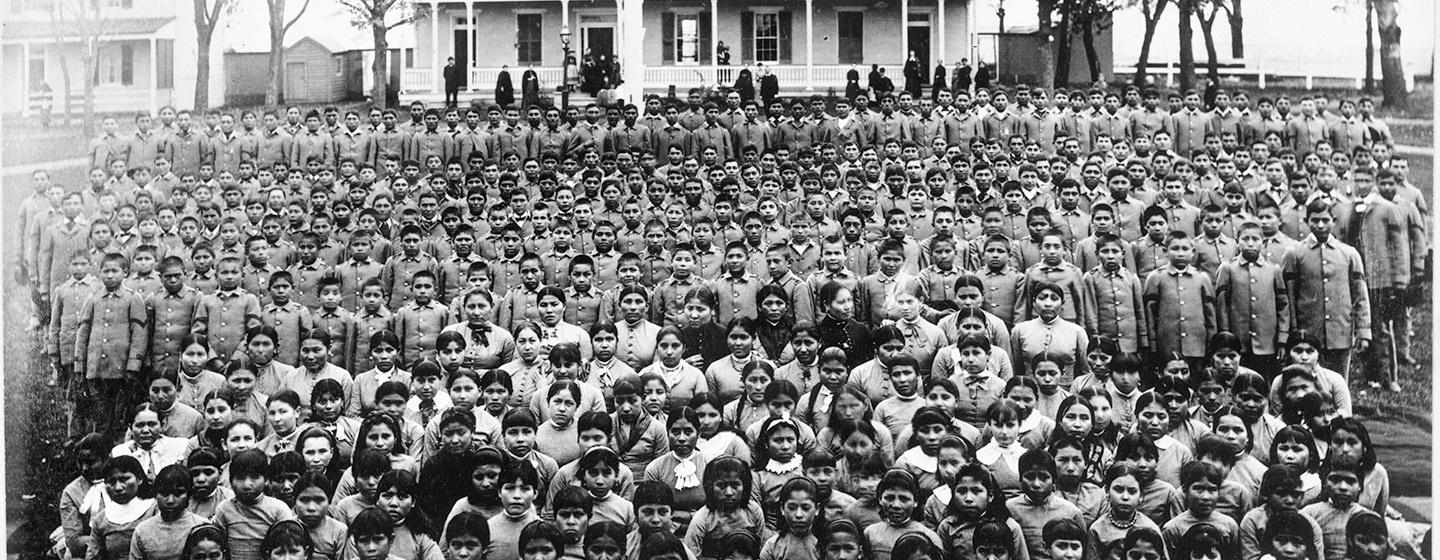
Premiering Tuesday, November 23 at 9:00 p.m. ET (check local listings), “Home From School: The Children of Carlisle” dives into the history of Carlisle Indian Industrial School in Carlisle, Pennsylvania, the first off-reservation government-funded boarding school for Native American children, who were stripped of their tribal identities and forced into an English-only, military-style remedial education. The film chronicles the modern-day journey of Northern Arapaho tribal members seeking to recover the remains of Arapaho children more than 100 years after they fell mortally ill and were buried on the school grounds.
Jordan Dresser, a member of the Northern Arapaho tribe and the film’s associate producer, will also be one of 30 Native American and Alaska Native storytellers profiled on PBS’s social media channels throughout the month. Other featured individuals include Pamyua, Alaska’s most famous Inuit band (INDIE ALASKA), and Pawnee artist Bunky Echo-Hawk (AMERICAN MASTERS).
Along with broadcast, “Home From School: The Children of Carlisle” will be available on PBS.org and the PBS Video app. Additional streaming programs that explore the past, present and future of Native Americans and Alaska Natives are highlighted below and in a curated collection for Native American and Alaska Native Heritage Month on PBS.org. These programs may also air in select markets, check local listings.
AMERICAN MASTERS “N. Scott Momaday: Words From a Bear”
Delve into the enigmatic life and mind of the Pulitzer Prize-winning author and poet N. Scott Momaday, best known for “House Made of Dawn” and a formative voice of the Native American Renaissance in art and literature. (Available with PBS Passport)
Renowned artist Harvey Pratt, a member of the Cheyenne, Arapaho and Sioux tribes, shares the meaning behind special objects he carried while serving in Vietnam.
In Southern Utah, a remote section of land dense with archeological and cultural significance is at the center of a fight over who has a say in how Western landscapes are protected and managed.
HOT MESS “Indigenous Communities Are on the Front Lines of Climate Change”
As the world figures out how to live with a rapidly changing climate, traditional knowledge from indigenous cultures could help us understand just how things are transforming.
IF CITIES COULD DANCE “How These Native Dancers Blend Heritage and Hip Hop”
What is Native American hoop dancing? Meet the Minneapolis brothers ensuring it survives the tests of time.
INDEPENDENT LENS “Conscience Point”
Where the Shinncock tribe once buried relatives, Hamptons mansions pepper the landscape, pitting pricey property against priceless heritage. (Available with PBS Passport starting 11/13)
In Maine, a group of Native and non-Native leaders come together to address the abuses suffered by Native children in the child welfare system. (Available with PBS Passport starting 11/7)
INDEPENDENT LENS “Rumble: The Indians Who Rocked the World”
An electrifying look at Native American influence in popular music, despite attempts to ban, censor, and erase Indian culture.
INDIE ALASKA “Alaska Native Stories” (playlist)
This collection of original short videos from Alaska Public Media and PBS Digital Studios captures the diverse and colorful lifestyles of native Alaskans at work and at play.
INDIE LENS STORYCAST: “alter-NATIVE”
A year in the life of Native American fashion designer Bethany Yellowtail, who went from the Crow Reservation in Montana to Los Angeles.
INDIE LENS STORYCAST: “alter-NATIVE: Kitchen”
Purveyors of America’s indigenous foods are forging a resurgence of native dishes that satisfy a new generation hungering for insight and culinary delight.
INDIE LENS STORYCAST: “Jewel’s Hunt”
Jewel comes from a long line of skilled native Alaskan hunters. But can she balance the complications of a modern teenager with her connection to village life?
Made with the active participation of Native American communities and filmed in some of the most spectacular locations in the hemisphere, this four-part series reaches back 15,000 years to reveal massive cities aligned to the stars, unique systems of science and spirituality, and 100 million people connected by social networks spanning two continents. (Available with PBS Passport)
ORIGIN OF EVERYTHING “Did Europeans Enslave Native Americans?”
The complicated history surrounding the European enslavement of Indigenous peoples.
ORIGIN OF EVERYTHING “What is Cultural Appropriation?”
What is culture? Can it even be appropriated? And is there a difference between appreciation and appropriation?
Climate change and disappearing sea ice are upending ecosystems on the coasts of Alaska, forcing Indigenous communities there to adapt their way of life.
SOUND FIELD “How A Tribe Called Red Created Electric Powwow Music”
Canadian DJ collective A Tribe Called Red combines Native American drum circle sounds with electronic music.
Even as they struggled with their relationship to the United States government, Dakota, Lakota, and Ojibwe warriors felt compelled to honor their duty as protectors of the people during the Vietnam War. (Available with PBS Passport)
The largely untold story of Native Americans in the United States military. Why would Indian men and women put their lives on the line for the very government that took their homelands?
About PBS
PBS, with more than 330 member stations, offers all Americans the opportunity to explore new ideas and new worlds through television and digital content. Each month, PBS reaches over 120 million people through television and 26 million people online, inviting them to experience the worlds of science, history, nature and public affairs; to hear diverse viewpoints; and to take front row seats to world-class drama and performances. PBS’s broad array of programs has been consistently honored by the industry’s most coveted award competitions. Teachers of children from pre-K through 12th grade turn to PBS for digital content and services that help bring classroom lessons to life. Decades of research confirm that PBS’s premier children’s media service, PBS KIDS, helps children build critical literacy, math and social-emotional skills, enabling them to find success in school and life. Delivered through member stations, PBS KIDS offers high-quality educational content on TV – including a 24/7 channel, online at pbskids.org, via an array of mobile apps and in communities across America. More information about PBS is available at pbs.org, one of the leading dot-org websites on the internet, or by following PBS on Twitter, Facebook or through our apps for mobile and connected devices. Specific program information and updates for press are available at pbs.org/pressroom or by following PBS Communications on Twitter.
– PBS –
CONTACT:
PBS, PR@pbs.org
For images and additional up-to-date information on this and other PBS programs, visit PBS PressRoom at pbs.org/pressroom.