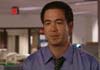
Reporter Steve Suo
Meth's impact had been front-page news in Oregon for years. In 2002, The Oregonian's editors decided to go after the story behind the story: How and why did the meth epidemic get so out of control? Suo was assigned to the investigation and the resulting series, "Unnecessary Epidemic," was published in 2004. Suo discusses what the project uncovered and how the key to the epidemic's history was to be found in meticulously examining numerous databases and the raw stats on arrests, rehab admissions and property seizures.
Law Enforcement

Robert Pennal
A veteran of the war on meth and head of Fresno's (Calif.) Meth Task Force, Pennal describes how the super labs of California's Central Valley became the "industrial center" of meth production in the late 1980s after Mexican drug kingpins moved in and turned meth into a hugely profitable business.

Gene Haislip
For many years the number three man at the Drug Enforcement Administration, Haislip talks about how in the mid-80s there were two potential solutions to stopping meth which, at the time, was still a small problem limited to the West Coast. One was to go after the chemical components that go into meth, ephedrine and pseudoephedrine. The other was to regulate retail sales of cold and allergy medicines containing meth's key chemicals. Both ideas met opposition from the pharmaceutical industry and were never fully tried.
Pharmaceutical Industry
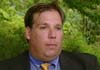
Steven Robins
An executive at Pfizer, the makers of Sudafed, Robins defends his industry's history of fighting to keep cold medicines easily accessible to consumers and to not require them to register at the store counter. He talks about the ways in which Pfizer has worked to address the meth problem, most recently in the development of phenylephrine, an alternative to pseudoephedrine that can't be converted into meth.

Allan Rexinger
He was a lobbyist for the pharmaceutical industry in the mid-80s when the Drug Enforcement Administration (DEA) first moved to require that distributors of ephedrine and pseudoephedrine check customers' identities and makes sales records available to the DEA. However, his industry opposed regulation. Here, he summarizes their position and explains how a compromise bill was finally negotiated. Unfortunately, however, it left loopholes meth traffickers quickly exploited.
Policymakers/Activists

Rep. Mark Souder (R-IN)
In some of the prisons in Rep. Souder's congressional district, 80 percent of the inmates are meth addicts. He led efforts to create the Combat Methamphetamine Epidemic Act of 2005, which mandates that pseudoephedrine be put under lock and key in stores nationwide and that buyers register at the store counter. Here, he talks about meth's impact on communities, the Bush administration's inadequate response to the epidemic, and the national strategy that is needed.

Rob Bovett
Legal counsel to Oregon's Narcotics Enforcement Administration and president of the Oregon Alliance for Drug-Endangered Children, Rob Bovett is a leading supporter of Oregon laws to put cold and allergy medicines behind the counter. He talks about how Oregon is dealing with the meth crisis, how Mexico's cartels fueled the epidemic, and the consequences of the pharmaceutical industry's opposition to regulation.
![The Meth Epidemic [home page]](../art/p_title.gif)



COMMENTS
blog comments powered by DisqusIn order to foster a civil and literate discussion that respects all participants, FRONTLINE has the following guidelines for commentary. By submitting comments here, you are consenting to these rules:
Readers' comments that include profanity, obscenity, personal attacks, harassment, or are defamatory, sexist, racist, violate a third party's right to privacy, or are otherwise inappropriate, will be removed. Entries that are unsigned or are "signed" by someone other than the actual author will be removed. We reserve the right to not post comments that are more than 400 words. We will take steps to block users who repeatedly violate our commenting rules, terms of use, or privacy policies. You are fully responsible for your comments.